WEMADEIT is committed to creating safe communities for underrepresented populations in the world of engineering! There should be no barriers in pursuing your passions, so we're highlighting some important people, events, and resources!
Highlights
Western University
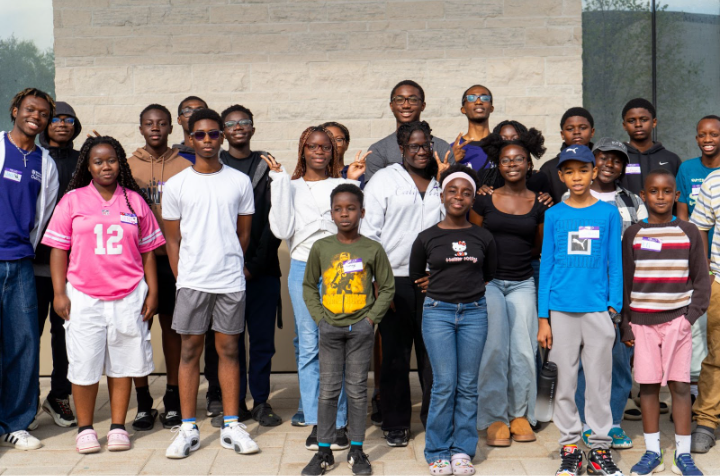
HIGHLIGHT:
Western Engineering Outreach hosted the fourth annual Western Engineering Beginnings for Black Youth (WEBBY) program! The multi-level mentorship program fosters inclusive learning spaces where Black youth can explore engineering and connect with mentors. WEBBY exemplifies how elementary school students, high school students, and undergraduate students can learn together and support one another.
University of Waterloo
HIGHLIGHT:
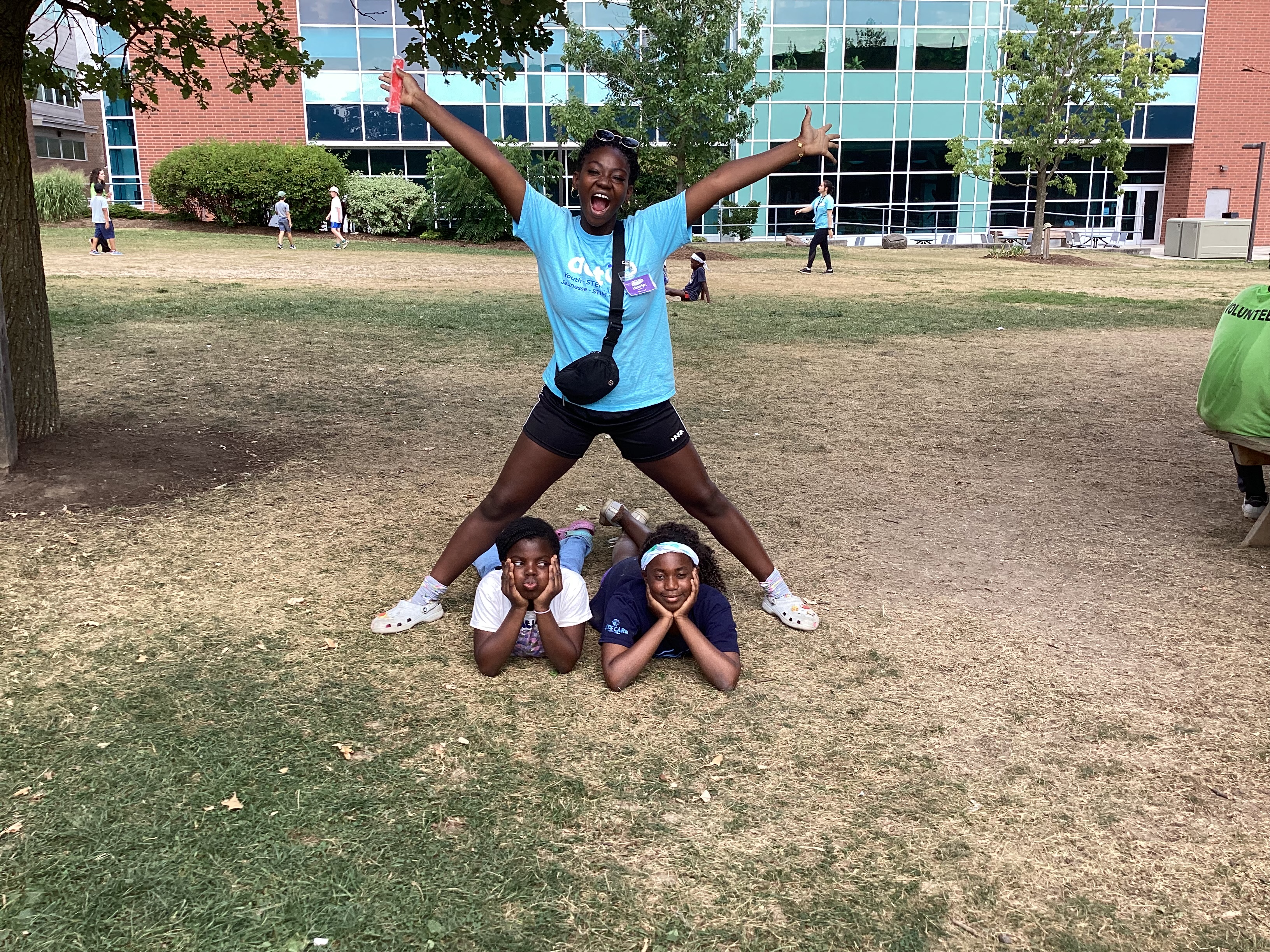
Waterloo Engineering Outreach hosted seven weeks of STEMpowered Summer Camp, a program uniquely designed for Black youth in Grades 2-12. Throughout July and August, the camp welcomed 208 participants in free, activity-rich programming led by our engineering, science, and education student staff.
Ontario Tech University
HIGHLIGHT: National Society of Black Engineers (NSBE) High School Conference
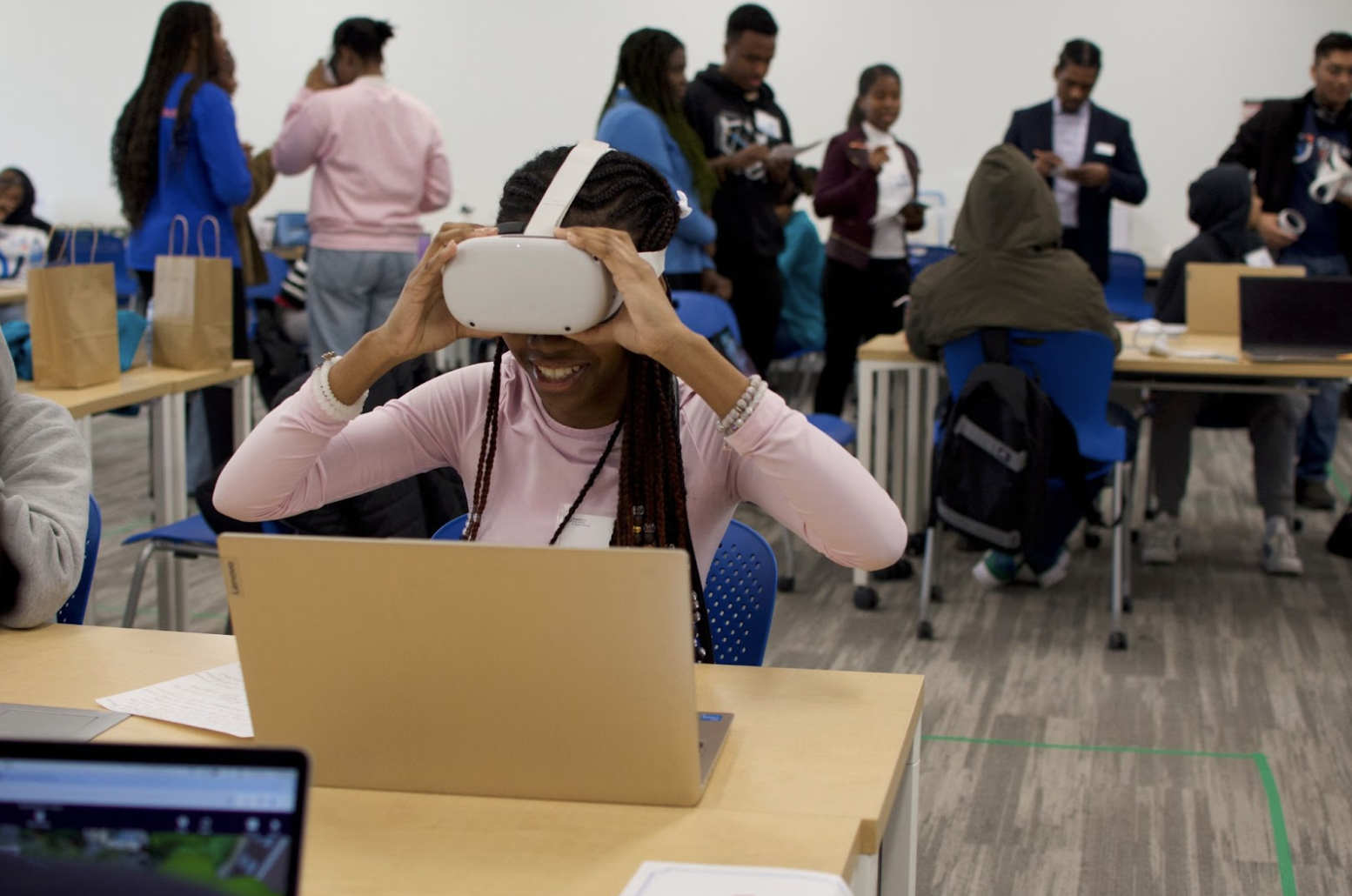
Ontario Tech Engineering Outreach hosted its third annual National Society of Black Engineers (NSBE) High School Conference, where students engaged in personal and technical development workshops. Participants were challenged to design a sustainable city, which they brought to life using VR technology, all while being mentored by Black engineering students and alumni.
Toronto Metropolitan University
HIGHLIGHT:
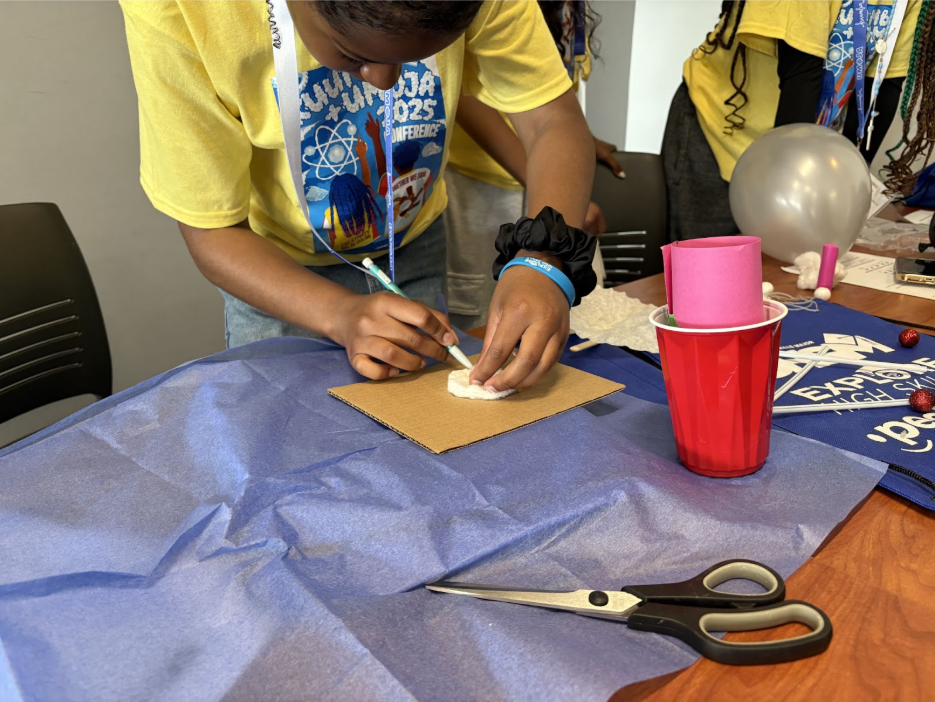
Toronto Metropolitan’s Engineering Outreach team worked with Black youth in Gr 7 at the Kuumba + Umoji Conference for an excellent session. Students learned about the basics of potential and kinetic energy and how they are applied to a free-falling object. With this knowledge, competed in an Egg Drop challenge where they created capsules to protect an egg when dropped from a height - applying concepts from structural and aerospace engineering!
ENG HEROES
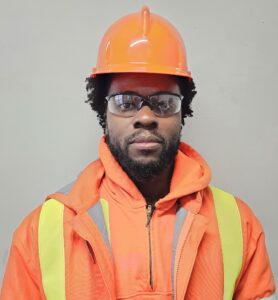
Brian McIntosh
1. What is your current role and what does it entail?
As a Protection and Control Supervisor at Hydro One, my role is to ensure my team has the adequate knowledge and support to carry out their day-to-day tasks. Our typical tasks in the field really boil down to three main things. We are responsible for the commissioning of new field equipment, maintaining existing field equipment and troubleshooting issues within our stations here at Hydro One. We are often analyzing engineering drawings, logic diagrams and performing integrity tests on our field assets (to name a few). Being detailed oriented is a necessary characteristic of someone considering working as a protection and control technician/engineer. Our line is work is very unforgiving so it’s imperative that we prioritize safe work habits in everything that we do to instill a culture safety.
2. When did you know you wanted to be an engineer? What inspired you to pursue this field?
All throughout high school, I gravitated toward math and sciences. It was a natural inclination for me. However, it wasn’t until my older brother sat down with me to figure my career path that my idea to become an engineer crystalized. Not many people have that support and guidance so I will be forever grateful to him for that. He gave me the encouragement I needed when I didn’t see it within myself to pursue my studies in this field.
3. What has been your proudest accomplishment as an engineer so far?
My proudest accomplishment to date was the in-servicing of the T5/T6 transformers and the new gas-insulated switchgear at Runnymede transformer station. Commissioning occurred during the pandemic when support was very limited due to everyone working from home. I took a protection and control lead role where I was responsible for commissioning half of the transformer station. There were many long days and nights but, when the assets were finally energized off the grid, it was such a satisfying and rewarding feeling. It was surreal knowing that I played an integral part in that project’s success. It gave me the confidence to know that there wasn’t any project too big for me to handle.
4. How does your work as an engineer contribute to society?
Our society relies on safe power to function. Every day, I contribute to helping to keep our assets running in the safest manner possible. Having a questioning attitude and challenging when things do not look correct is vital to keep my coworkers and public safe. Exhibiting this trait is equally important for our assets to have the longest possible. The impact of my contribution is truly realized when assets fail, and power needs to be restored in short order. I don’t think there’s a single person who doesn’t get excited when their power is restored after a long outage!
5. What advice would you give to young individuals from underrepresented groups who are pursuing a career in STEM?
My best advice for young people looking pursue a career in STEM would be to do an internship or co-op to feel it out. There are so many different career paths that one could explore. Just because post-secondary schooling involves a lot of number-crunching doesn’t mean you’ll be relegated to this kind of work all your life. Being in a real-life work environment will allow you to talk to others who have been in the industry for many years, build a network of professionals and gives you a leg-up on the competition when it comes to applying for a full-time job. Having prior experience is huge and should never be underestimated.
6. How did Hydro One’s One Award help you in your engineering pathway?
Hydro One’s One Award helped me immensely! It gave me the opportunity that I was looking for to get a taste of what the power industry is about. Aside from the cash award, the real award was in the work term opportunity. I made the most of it by learning as much as I could about different areas of the business. My co-workers were instrumental in furthering my learning. Sixteen years later, now I’m the person mentoring the new generation of engineers on the come up.