• Skip to primary navigation
  • Skip to content
  • Skip to footer

We Made a Difference. We Made it Together. WEMADEIT.

  • About WEMADEIT
    • Donor
    • Partners
      • Toronto Metropolitan University
      • Ontario Tech University
      • University of Waterloo
      • Western University
  • For Students
    • Blog
    • Getting There
      • Engineering Disciplines
      • Student Life
      • Where Can I Study?
      • What You Don’t Know About Engineering
      • ENG BLING
    • Black Students
    • Indigenous Students
    • 2SLGBTQIA+ Students
    • Women and Girls
  • For Parents
    • Where Can You Study Engineering?
    • What is Engineering?
  • For Undergrads
    • Gaining work experience
    • Peer Mentorship
    • One Awards
    • Next Generation in Power
    • New Grad Program
  • For Teachers
    • Teacher Resources
  • Getting Involved
  • Contact Us
    • Newsletter Signup

awesome

Tissue Engineering

by admin

Tissue Engineering

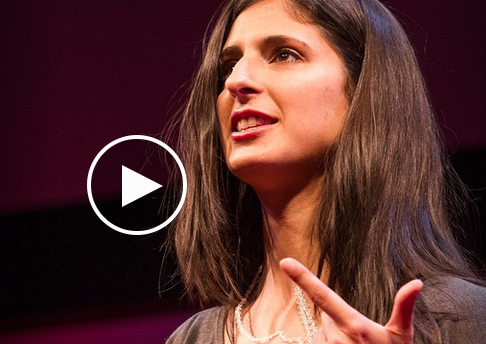
Procrastinating? We’ve got just the thing! The YTT have pulled together a series of TED Talks that they LOVE. Grab some popcorn and get comfy, because you’re about to get seriously inspired by these amazing engineering projects.

What is this TED talk about?

This TED talk is about tissue engineering. Scientists and engineers have been able to harvest skin cells and force them back into the embryonic stem cell stage. They can then choose what type of tissue to create (e.g. brain, liver, heart) out of these stem cells. They can then test different drugs on the tissues. This could potentially be the future of medicine, where drugs could be engineered specifically to your DNA so that your healthcare is personalized and works perfectly for you with very few side effects.

What’s rad about it?

This tissue engineering is amazing because it offers the possibility of a future of personalized medicine, where drugs could be tested specifically with your DNA to see if they work for you. This would reduce the need for animal and human testing, would save a lot of money, and would ensure the best healthcare possible. It offers so much hope for the treatment of so many diseases! There’s also the “cool factor” of it…how cool is it that they can create living, functioning heart tissue that actually beats!?

How did it inspire you?

This video was so inspiring because it was just so cool! I never knew that engineers could do things like this. I’ve always had an interest in the human body/medicine, but this opened my eyes to a whole new revolutionary technology that has the potential to change the world! I’m inspired to learn more about the topic.

What surprised you?

I was surprised that it was an engineer who created this concept! My perception was that engineers build and develop things that help society in general (devices, bridges, transportation, etc) and that doctors develop new biological medical technology. It was fascinating to learn that engineers can create things like this!

Did you ever have an idea about developing something yourself that solves a problem in the world? Tell us all about it

I have absolutely no idea how I would do it, but I would love to develop something that helps cure cancer in a way that doesn’t affect the rest of the body, something that is a better alternative to chemotherapy. I heard about this one study where they were trying to kill cancer cells by injecting the tumor with a virus. I’d like to help develop something like that that could help so many people who are suffering.

– – – – – – – – – – – – – – – – – – – – – – – – – – – – – – – – – – – – – – – – – – – – – –
Check out Nina’s Website
Filed Under: TED talk Tagged With: awesome, biomedical, cool, empowering, girl power, innovative, medicine, Technology

Melissa Griffin

by admin

Melissa Griffin

Q&A WITH EngHERO: Melissa Griffin

Melissa Griffin is a Human Factors Analyst, whose work focuses on improving safety by improving the systems that people live and work in. Instead of trying to change how people should act, Melissa and her colleges advocate for changing the system so it’s more natural for people to interact normally.

Q: What did you wish you knew about engineering back when you were in high school?

That engineering is actually really fun! The very first day of frosh week I realized that there was a wonderful community of students who actually liked science and math, and that a lot of them were really fun. I also wish I knew that you can do a lot with an engineering degree, and it doesn’t have to mean you’ll end up behind a desk crunching numbers 24/7. In my current role, I have the chance to get out into the field and spend time with a range of other disciplines and specialists including other engineers, psychologists, doctors, nurses, pharmacists, policy makers, regulatory bodies, researchers and administrators.

Q: What’s your proudest accomplishment as an engineer?

At this point, probably getting my P.Eng. Another proud moment was when I got my first job.

Q: Tell me about a time in your career when your work has been about discovery or curiosity?

The role that I’m in now has a lot to do with curiosity and discovery. I am working in health care research as a Human Factors Engineer and as part of that we get to ask and answer research questions. I also have a lot of freedom in my work to explore areas that interest me. For example, right now I do quite a bit of work with different hospitals and cancer centres, helping them to make their technologies, processes and environments safer for patients and staff. I look at workflows, how people tend to interact with technologies, and how different polices and regulations affect the healthcare system. When we see something out in the field that is of interest, often, if we can find supporters and funding, we are able to further explore these areas to improve patient safety.

Q: What’s your job now (title, company, description)? How did you get there (education, internships, mentors, other experiences)? Where did you think you were going when you started out?

Human Factors Analyst/Engineer at University Health Network (UHN) as part of the research team HumanEra. I am part of a multi-disciplinary team that tries to improve patient safety by improving the systems that people work and live within. We know that people have certain strengths and weaknesses and instead of trying to change how people should act, we advocate for changing the system so it’s naturally easier for people to interact correctly. I had no idea I’d end up where I am now. I started in Mech Eng at Queen’s University, and ended up working in the automotive industry for 2 years, first as a Project Engineer and then as an Account Manager.

After a couple of years there I realized I wanted to do something that had more of a positive impact on other people. I came across the Masters of Clinical Engineering program at U of T, which appealed to me because it included several internships. Through this program I completed a thesis about applying human factors to home care environments, and did an internship at Massachusetts General Hospital (MGH) in the Clinical Engineering department, at the Toronto Rehab Institute in the Dysphagia Lab, and at the Centre for Global eHealth Innovation, where I currently work.

My thesis supervisor was a great influence on me and is now my boss. When I started out, I had no idea this kind of job even existed and didn’t know much about human factors. Having my undergrad Mechanical Engineering degree opened the door for me to get into the Master’s program that led to where I’m working today.

Q: Do you feel your work contributes to society? How so?

I definitely think the work I do contributes to society. Our teams’ mandate is to improve the safety of patients and health care workers by making the systems they work and live in safer. We get to be activists for patients and front line staff and highlight ways in which things could be improved. We also do a fair bit of education for front line staff to help them identify areas of risk, so they can make their own practices safer and more robust.

Q: Why do we need more female engineers?

I think women are able to provide a unique perspective for many engineering problems. In the work I do, I am often interacting with nurses, who predominantly tend to be women so I think it makes it a bit more comfortable and easier for them to open up about what they do and the challenges they face in their day to day jobs. Also, many of the female engineers I know are great mentors. We need more female engineers because we can be creative problem solvers, empathetic, and approach problems from a slightly different perspective than our male counterparts.

Q: Do you have any hobbies/passions that give you a unique perspective in engineering?

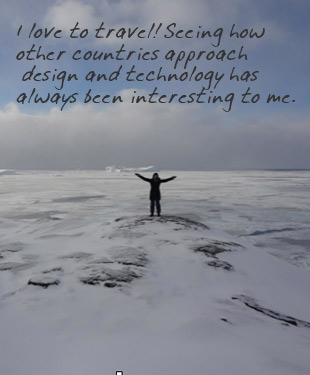
I love to travel and so seeing how other countries approach design and technology has always been interesting to me. There are often several possible solutions to a problem or challenge, especially when it comes to systems and design, and so seeing how different cultures take on these challenges can be inspiring and useful in helping you think about your own engineering challenges.

– – – – – – – – – – – – – – – – – – – – – – – – – – – – – – – – – – – – – – – – – – – – – –Check out where Melissa works! http://ehealthinnovation.org/

Filed Under: engHEROES Tagged With: awesome, education, engbeaut, fun, health, HumanEra, inspirational, risk, safety, travel

Footer

Menu

  • About WEMADEIT
    • Donor
    • Partners
      • Toronto Metropolitan University
      • Ontario Tech University
      • University of Waterloo
      • Western University
  • For Students
    • Blog
    • Getting There
      • Engineering Disciplines
      • Student Life
      • Where Can I Study?
      • What You Don’t Know About Engineering
      • ENG BLING
    • Black Students
    • Indigenous Students
    • 2SLGBTQIA+ Students
    • Women and Girls
  • For Parents
    • Where Can You Study Engineering?
    • What is Engineering?
  • For Undergrads
    • Gaining work experience
    • Peer Mentorship
    • One Awards
    • Next Generation in Power
    • New Grad Program
  • For Teachers
    • Teacher Resources
  • Getting Involved
  • Contact Us
    • Newsletter Signup

Search

Teacher Login

Register | Lost your password?

  • Facebook
  • Instagram
  • Twitter

© 2026 · WEMADEIT | Site Design by rtraction