
• Skip to primary navigation
  • Skip to content
  • Skip to footer

We Made a Difference. We Made it Together. WEMADEIT.

  • About WEMADEIT
    • Donor
    • Partners
      • Toronto Metropolitan University
      • Ontario Tech University
      • University of Waterloo
      • Western University
  • For Students
    • Blog
    • Getting There
      • Engineering Disciplines
      • Student Life
      • Where Can I Study?
      • What You Don’t Know About Engineering
      • ENG BLING
    • Black Students
    • Indigenous Students
    • 2SLGBTQIA+ Students
    • Women and Girls
  • For Parents
    • Where Can You Study Engineering?
    • What is Engineering?
  • For Undergrads
    • Gaining work experience
    • Peer Mentorship
    • One Awards
    • Next Generation in Power
    • New Grad Program
  • For Teachers
    • Teacher Resources
  • Getting Involved
  • Contact Us
    • Newsletter Signup

wemadeit

Kickstart your love for Engineering!

by wemadeit

Kickstart your love for Engineering!

Are you an eager learner, ready to dive into the exciting world of engineering? The good news is it’s never too early to start learning, whether you’re in high school or grade school! There are tons of ways to pique your interest in engineering including various outside of school programs, activities, and games you can play from home. We have made a list of all of these things to help you get a head start.

Apps for Engineers

Apps make our lives convenient every day and help us access the world from our fingertips. Turboviewer is an amazing app for Apple (iOS) and Android users that is perfect for 2D and 3D modeling. This is awesome for anyone who has ever had a great idea for an invention, or someone who simply wants to play around with creating. If you are looking for something more laid back and game-based, Build a Bridge, might be for you. This app is a fun game where you can build and test your bridges in various situations and settings. It is perfect for having some downtime and still practicing your engineering skills. On the opposite side of the spectrum, if you are looking for something more useful and educational Learn Java may be for you. This app has small consumable lessons and engaging activities that will teach you Java script. It’s perfect for anyone looking to get a head start in their education.

Summer Engineering Programs

Summer camps are tons of fun with activities and games to fill your hot days with entertainment and new friends. However, these camps don’t always look the same. Universities and colleges offer a variety of camps including; music, film, drama, and engineering. For example, Ryerson University has Eureka, an annual summer camp designed to bring kids into the amazing world of STEM. Campers can expect to complete a series of crafts and activities every day that teaches them something new about engineering and science. Western University also has a series of STEM-related camps offered including; coding camp, STEAM camp, and maker camps. STEAM camps bring both worlds of creativity and STEM together to create some amazing activities, that show all the fun and innovation that can come from engineering.

In conclusion, there are tons of ways to start satisfying all of your initial curiosities around STEM. The best time to start learning more about STEM is now, no matter your age! Engineering is all about creativity and innovation and that can be accomplished by anyone who is passionate.


Filed Under: #shareABLE, Getting There Tagged With: apps, engineering, getting started, love

Have you gotten WISE?

by wemadeit

Have you gotten WISE?
  • University of Toronto
  • WISE Ottawa
  • Guelph University
  • York University

Being a woman in technology comes with a lot of barriers given the lack of representation. However, that hasn’t stopped women from pursuing their dreams and passions by joining STEM (science, technology, engineering, and math) related fields. In fact, society and culture are changing for the better, and more people are creating an inclusive landscape. This change and inclusion are long overdue. Given this struggle and perseverance, it’s always helpful and vital to have support systems in place to aid women in breaking into STEM. WISE is a fantastic organization and resource for women around the world who are breaking into STEM as a career. Learning about resources like WISE can help you no matter what stage of your career or education you are at.

What is WISE?

The great thing about WISE is they aim to spread awareness and change across the board. This means they have programs and events in place to reach; employers, educators, students, professionals, research institutions and the general public. This is fantastic because each of these groups has something to learn when it comes to women in this industry. More importantly, real change happens when a high percentage of the population understands and welcomes the change, and that is exactly what WISE’s goal is. This organization reaches these groups by hosting local events across the world, reaching schools by providing educators with in-class workshops and creating videos and other promotional media online.

WISE’s Goals?

Every organization concerning women in STEM has the implied goal of spreading awareness and representation for women in science and engineering. However, this group has specific goals laid along with their course of action. WISE’s long term goal is a balanced representation of men and women in STEM both in classrooms and out in the workplace. Their short term goal is one million more women working in core STEM occupations by 2020. Having these goals is so important because it means this organization is moving towards reachable and tangible targets that will make real change.

Events

Events are a great way to bring like-minded people together to share their interests and skills. These events can in particular help young aspiring engineers to network, and learn from successful women in their field. WISE holds several webinars that connect professionals, students and curious people around the world. Having the advantages and skills of the internet at our disposable is connecting people like we have never seen before. What better way to use this connection than spreading skills and knowledge? These events allow professional women in STEM to speak on their experiences, and teach new skills to all that attend. WISE also hosts events to track the progress of women’s inclusion within post-secondary institutions. This is very important because it keeps these institutions accountable and on track. When striving to reach such important goals accountability is everything. These events are also great for problem-solving and sharing success stories.

Where Can You Find WISE?

Several colleges and universities that offer engineering programs have a WISE institution inside of their school, connecting students to this powerful organization. An example is the University of Toronto, located in Ontario. These in-school programs allow students to have hands-on leadership experiences within this community of females. It is a great opportunity to apply what you are learning in the classroom to invoke real change. Much like the original organization, these in-school groups host several events. These events all take place at their school to spread WISE’s goals locally.

I hope the discovery of this organization inspires you to seek education and community within these STEM-related groups. They are a great way to learn from professionals and find much-needed support. Education and success is not a solo journey, and having a strong community by your side is always an asset.

Filed Under: #shareABLE, engSPIRATIONAL, Journeys Tagged With: Ottawa, Toronto, university, wise, York

ENGHERO: Baraa Daher

by wemadeit

ENGHERO: Baraa Daher

What is one thing you wish you knew about engineering when you were in high school?

I wish I knew about the different engineering disciplines and research opportunities available within this field. Engineering was not something I knew a lot about in high school, so I did not consider applying to Engineering at Western. I thought it was only about building towers and bridges. However, being a lab member of the Human Biomechanics Laboratory team and taking undergraduate engineering courses, I learned that engineering is a vast and diverse field with disciplines, including electrical, mechanical, chemical, civil, industrial and biomedical engineering.

It was interesting to see the application of engineering concepts to different settings such as healthcare. As I discovered the field during my undergraduate studies, I became interested in the biomechanics of the musculoskeletal system, which led me to pursue a Master’s Degree in Biomedical Engineering.

What made you want to pursue engineering? 

Engineering is a broad field that allows for tons of creativity and discoveries. It has many hands-on experiments and projects that enable students to express their skills and strengths in different ways. It feeds my curiosity about how the world and technology work together, and challenges me to solve complex problems in our society. For example, engineers create solutions by designing devices to create reusable energy or detect diseases like cancer. They are always changing the world by coming up with new solutions and inventions, and I want to be part of this field and improve everyone’s life.

I see engineering concepts applied in daily living activities, like how airbags know when to inflate or how television screens make a colorful image. With engineering, I can combine different skills and knowledge to make people’s dreams come true. Engineers are the wizards of our society; everyone needs them to solve their problems. Being an engineer is exciting as I would get to use magic to create and invent something new every day. I believe that I can make a difference and a change in our society, and for these reasons and more, I wanted to pursue engineering.

What branch of engineering is your major and how did you decide on it?

I did my undergraduate studies in science, and I am now pursuing a Master’s Degree in Biomedical Engineering. Biomedical engineers play an essential role in our healthcare system. During my undergraduate studies and past volunteering at the Human Biomechanics Lab, I learned how to apply mechanical engineering concepts to understand how muscles and bones work when exercising and why our knee or hip breaks.

This subdiscipline of biomedical engineering, known as biomechanics, helps surgeons develop treatment plans after an injury to restore function and mobility. It also helps us understand how the human body moves to design reliable medical devices, such as orthopedic implants. Orthopedic implants are manufactured to restore function by reinforcing or replacing a damaged bone or joint. I find this very interesting because the structure and chemical properties of implants require the application of biomedical engineering principles. Biomedical engineers combine their diverse skills and knowledge to play an essential role in our healthcare system. I decided to pursue a master’s degree in biomedical engineering as I want to play a role in our healthcare system and contribute to the biomechanics discipline.

What do you plan on doing with your engineering degree?

After I graduate, I plan on working in the industry for a couple of years, hopefully, in a consulting firm designing joint implants or prosthetics. Later in my career, I plan to have my own company that will include designing, developing, testing and modifying products, equipment and medical devices.

What advice would you give to a young female who is considering the field of engineering, but isn’t sure if it’s right for them?

Imagine yourself in 5 years from where you are at right now. Where and how do you see yourself? If you see yourself as an engineer, this is the right field for you, and it is worth all the hard work, and I promise you the ride will be rewarding. Ask questions, reach out for help, and be a resource to others who might be struggling or need encouragement. Do not be overwhelmed by a room full of men or people who do not look like you. Follow your passion, learn as much as you can, and do your best. As long as you believe that engineering will light you up, everything else will follow.

What do you recommend doing outside of school?

I recommend looking for an engineering undergraduate club on campus and getting involved in your university’s community by volunteering for different events. I loved working with Western Engineering Outreach program, where I had the chance to learn more about engineering and its various disciplines. I worked with many people from different backgrounds and learned from their expertise. I also had the opportunity to teach children at different ages about engineering through a wide range of activities and events. I would recommend getting involved in similar initiatives. They are always looking for an extra set of hands and will make your study break worthwhile and fun!

Filed Under: #shareABLE, engHEROES, engSPIRATIONAL, Journeys Tagged With: biomedical, Biomedical engineering, engHERO, engineering, masters

Programming… Explained

by wemadeit

Programming… Explained

Computers are running our world; they help us in school, connect us with our friends and family, and fit in our pockets! But what controls these amazing machines we use every day? Understanding the basics of what makes our computers function the way they do is powerful information. That is where the world of computer programming comes in. Simply put, computer programming is a way to instruct a computer to complete various tasks. Let’s break down this area of STEM a little more so we can understand how a major part of our world works.

The Basics

If we break down a computer, they can really only understand two types of data, on and off. Essentially this means when communicating with this type of technology we are relaying different combinations of on and off switches to result in different outcomes. Confused yet? This might be difficult to understand, but we have a lot more information to help you out.

The combination of on and off switches is known as binary code, which can be written using 1s and 0s. Binary code is grouped into bytes which are groups of 8 digits representing 8 transmitters (the collection of on and off switches).

However, writing code by using solely 1s and 0s is extremely inefficient and unrealistic, that is where coding languages come in. Different coding languages are essentially a set of rules on how code should be written and programmed. Some examples of different coding languages include; JavaScript, Python, HTML and Ruby– each language is designed to work for different purposes. For example, some are better suited to work for development, web design and even game design!

The Difference Between High-Level and Low-Level Programs

Low-level programming languages are closer to binary code and high-level programming languages are a lot less similar to binary code and much easier to work with typically. This means the high-level programming languages are closer to english, so they are easier to work with.  That is why most of the programming languages used by software engineers today are high-level.

How to Create a Command?

How do we take all of this information and turn it into real results? What does this process look like, and can anyone do it? Well the answer is creating a program/line of code to instruct a computer is fairly simple, and yes anyone can do it. In its essence, a code is simply a text file written in a given coding language. This means to write code all you need to do is write the code in a text editor like notepad, and save it to your computer. How you actually implement this line of code into your computer varies depending on the coding language you are working in. Some languages operate under a certain software that will implement the code, and some save a separate accompanying binary code file that your computer can directly run.

Fields that Involve Coding

Coding and computer programming may seem like a faraway and foreign practice, but coding is starting to influence and affect every industry. This includes fields outside of STEM such as art and design. A huge part of the art and design industry includes web design, and this, of course, goes hand in hand with coding. Software engineers and designers collaborate in order to make highly effective and aesthetic websites. This career clearly affects technology in a big way, so there is no surprise that coding is also a huge part of the healthcare industry. The technology and tools behind the health care system are often created and managed in collaboration with software engineers because they involve computers. Finance is also heavily affected by coders, which includes creating the websites in which people complete online banking.

There are so many possibilities when it comes to the beautifully complex world of coding and programming. Every field is evolving and moving the direction to need code. Computers control our future, which means coding will control our future in a big way. Do you want to be a part of that change?

Filed Under: #shareABLE, Engineering Disciplines, Getting There Tagged With: basics, computers, engineering, explained, programming

Recycling old Batteries into Fertilizer

by wemadeit

Recycling old Batteries into Fertilizer

In 2019, Canada produced over 1.33 billion metric tonnes of waste, leading every country in the world in the most garbage produced per capita. Included in this collection of waste are potentially harmful products such as batteries and electronic waste (e-waste). While placing a small number of normal alkaline batteries in the trash is not particularly harmful, some batteries including lead-acid, lithium, nickel-cadmium, silver oxide and mercury batteries pose a higher threat due to their deleterious impacts on the environment. Although some cities have hazardous household waste (HHW) programs and provide drop-off options for some consumer batteries, these programs are not available to everyone and are not always used. What if there was another alternative for these metal tubes?

An Australian company, Lithium Australia, has managed to close the loop on the energy-metal cycle as they recover zinc and manganese from used batteries. They have found a way to use the metal dust from batteries to create a micronutrient supplement for plant fertilizers. The company looks to build a circular battery economy and they are focusing on supplying sustainable and ethical materials for battery companies. The type of engineers behind this project are called environmental engineers. Environmental engineers use the principles of engineering, science, and biology to develop sustainable solutions to protect the health of living organisms while improving the quality of the environment. Environmental engineers play a crucial role in a quickly developing society, as they encourage humans to reduce their negative effects on the environment, while providing simple solutions for this to be accomplished. The environmental engineers working with Lithium Australia hope to reduce the carbon footprint of the battery industry, and one such method is by recycling their components into fertilizer!

So far, they are able to convert batteries that are on the smaller end of the scale, such as the ones used in remotes or small appliances. Their technology has found a way to extract the main components of alkaline batteries (zinc and manganese) and turn them into supplements for fertilizer.

Safely and sustainably disposing of alkaline batteries has become a major issue around the globe. However, Lithium Australia has already been carrying out tests on its new product and plans on expanding this testing in the future. We can be hopeful that this innovation will soon find its way to other countries so we have a method to reuse these batteries in a safe and practical manner!

Work Cited

https://interestingengineering.com/old-batteries-can-now-be-recycled-into-fertilizer

https://www.usatoday.com/story/money/2019/07/12/canada-united-states-worlds-biggest-producers-of-waste/39534923/

https://www150.statcan.gc.ca/n1/pub/16-002-x/2016001/article/14570-eng.htm

Filed Under: #shareABLE, Engineering Disciplines, engSPIRATIONAL Tagged With: battery, engineering, fertilizer, waste

Cosmetic Engineering

by wemadeit

Cosmetic Engineering

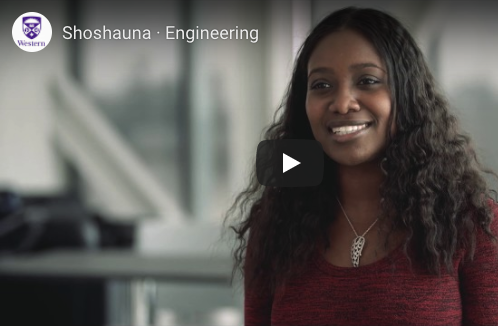
There are no limits with a degree in engineering, instead there is only a multitude of possibilities. Engineering has so many different career paths, so that everyone can make a difference in a field they are passionate about. Some engineers want to use their education towards a creative industry, which is where cosmetic engineering comes in. That’s right, you can be a part of creating several beauty products with an engineering degree. Producing and manufacturing makeup products is a complex process that is very technical, which is why we need engineers. However, with all of this said, there is also a great deal of creativity at play to create a product that follows a cohesive story. A career in cosmetic engineering really does bridge the gap between creativity and technical skills.

Engineers in makeup?

Engineers are involved in developing, researching and creating makeup products. The reason behind this is there is a great deal of research that goes into creating these products since it affects the skin and health of everyone that uses it. Therefore the combination of chemicals and elements used in the product needs to be perfectly balanced and thought out. This process involves chemistry, which means chemical engineers will work with other chemists. Not only do the products need to be tested to be safe for use, but they also need to be crafted in a way that creates the outcome the cosmetics company/designers envisioned. This is where the creative application of engineering comes in. New techniques are tested and used at this stage to create cutting edge products.

How do you get there?

Does this sound like the perfect job for you? Do you live and breathe both creativity and STEM? The first step (like most careers in STEM) is getting a bachelor’s degree. The recommended degree for this career is chemical engineering. Through this degree you will take a deeper look at the process as well as developing materials and the impact of certain ingredients. After you get your bachelor’s degree you will need approximately 1-3 years of experience in product formulation. That doesn’t have to be cosmetic development in particular, it could even be in skin care, or other products.

The most important skill to gain from this work experience is the ability to manipulate different materials and chemicals to create a very specific product. While you are working it is always good to join a professional organization that can help you hone your skills. An example of this is The Society of Cosmetic Chemists. Even though this name includes the term “chemists” engineers are also welcomed, because they all work together in the industry. The advantages of joining, is you will have access to several networking opportunities and conferences, as well as presentations to help develop your professional skills. It is also a great thing to put on your resume to help you stand out when applying to jobs. Once you get your job in the cosmetic engineering industry you can expect to make roughly 78,000 dollars annually.

What soft skills do you need?

Soft skills are essential in every job. These are skills you learn outside of the classroom. These are the skills you use to work better with others and express yourself well. You will need excellent communication and teamwork skills for this career path, because you will 100% need to work with others. You will also need problem-solving skills because there are tons of issues that will surface in product development. Your end goal is to make products that are adaptable and suitable for multiple skin types, and this involves a lot of trial and error. Ultimately for this job you need to have a great rounded set of skills. Overall if you love getting creative and have a passion for makeup, cosmetic engineering may be perfect for you. The great thing about this career path is it shows how STEM has room for everyone! It also proves that joining the STEM community looks different for everyone. Cosmetic engineering is not an easy task, it needs talented, passionate and hardworking STEM leaders, and that leader could be you.

Filed Under: #shareABLE, Engineering Disciplines, Getting There Tagged With: cosmetic, engineering, shoshauna, western

« Previous Page
Next Page »

Footer

Menu

  • About WEMADEIT
    • Donor
    • Partners
      • Toronto Metropolitan University
      • Ontario Tech University
      • University of Waterloo
      • Western University
  • For Students
    • Blog
    • Getting There
      • Engineering Disciplines
      • Student Life
      • Where Can I Study?
      • What You Don’t Know About Engineering
      • ENG BLING
    • Black Students
    • Indigenous Students
    • 2SLGBTQIA+ Students
    • Women and Girls
  • For Parents
    • Where Can You Study Engineering?
    • What is Engineering?
  • For Undergrads
    • Gaining work experience
    • Peer Mentorship
    • One Awards
    • Next Generation in Power
    • New Grad Program
  • For Teachers
    • Teacher Resources
  • Getting Involved
  • Contact Us
    • Newsletter Signup

Search

Teacher Login

Register | Lost your password?

  • Facebook
  • Instagram
  • Twitter

© 2026 · WEMADEIT | Site Design by rtraction