
• Skip to primary navigation
  • Skip to content
  • Skip to footer

We Made a Difference. We Made it Together. WEMADEIT.

  • About WEMADEIT
    • Donor
    • Partners
      • Toronto Metropolitan University
      • Ontario Tech University
      • University of Waterloo
      • Western University
  • For Students
    • Blog
    • Getting There
      • Engineering Disciplines
      • Student Life
      • Where Can I Study?
      • What You Don’t Know About Engineering
      • ENG BLING
    • Black Students
    • Indigenous Students
    • 2SLGBTQIA+ Students
    • Women and Girls
  • For Parents
    • Where Can You Study Engineering?
    • What is Engineering?
  • For Undergrads
    • Gaining work experience
    • Peer Mentorship
    • One Awards
    • Next Generation in Power
    • New Grad Program
  • For Teachers
    • Teacher Resources
  • Getting Involved
  • Contact Us
    • Newsletter Signup

wemadeit

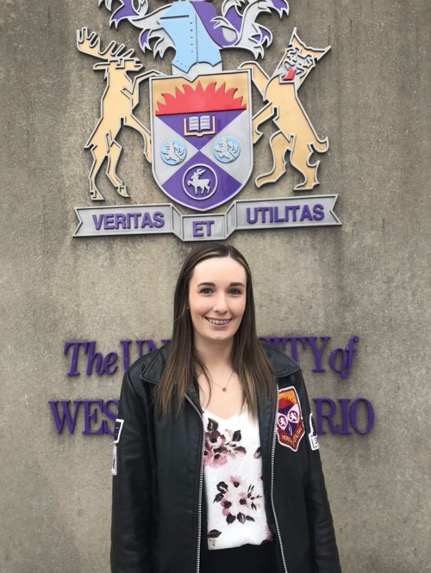
engHERO: Abbey Slawich

by wemadeit

engHERO: Abbey Slawich

What is one thing you wish you knew about engineering when you were in high school?

I remember going to university open houses and seeing these elaborate design projects that engineering students have made, and I would think to myself, I could never figure out how to make something like that. But now I know that I can figure out how to make those elaborate design. You can build that robot, or concrete canoe, or solar car, or whatever project you put your mind to. Engineering will teach you how to apply what you are learning in class and use this knowledge to work on a team to solve problems, design, and let your creativity run wild. So, I guess what I wish I knew in high school is simply just “yes you can!”

What made you want to pursue engineering? 

For as long as I can remember I have enjoyed math, science and figuring out how things work. When looking at university programs, engineering seemed like a faculty that would meet my interests and one that I would very much enjoy. I also like to see the bigger picture as to why I am learning something, and engineering gives you that because you are constantly applying what you are learning in your classes to solve problems and create design projects.

What branch of engineering is your major and how did you decide on it?

I am studying electrical engineering. The reason I decided on electrical was because I really enjoy Physics in first year. The course taught me the basic principles of oscillations, waves, electric fields and potential, DC circuits, magnetic fields, magnetic induction and so much more. In addition, I also found the hands-on lab component of this course interesting. So, it seemed clear that electrical was the right choice for me. However, when I first entered the common first year, I never saw myself pursuing electrical engineering. As a result, I encourage an engineering program with a common first year so that you can explore all your options and figure out what you like.

What do you plan on doing with your engineering degree?

I am currently on a 12-month long work term between the third and fourth academic years, and I am working in electrical reliability. I really enjoy working with industrial power systems, but power distribution is something I would like to learn more about. I am searching for a career that offers learning opportunities, growth and development, leadership opportunities, support for women in engineering, that supports and encourages women to pursue engineering in a field in which they are underrepresented. Through my education and work term experience, I am confident that I will find a post grad career that I love.

What advice would you give to a young female who is considering the field of engineering, but isn’t sure if it’s right for them?

There are so many possibilities when you are studying engineering and having an engineering degree opens doors to a lot of different career opportunities. Since there are so many disciplines to choose from, and many engineering clubs and teams to be apart of, you are bound to find something that is for you.

Something that helped me realize that engineering was, in fact, the right program for me was that I attended some events at Western University for female high school students interested in studying engineering. These programs showed me what engineering is all about and the hands-on activities taught me that engineering is something that I can succeed in. Not only are these programs great for your confidence but they also answer any uncertainties you may have about engineering. I highly recommend looking into attending events, such as Go ENG Girl , to give you a taste of what engineering really is all about.
Filed Under: #shareABLE, engHEROES, engSPIRATIONAL

Engineering a Better World: Goal 2 Zero Hunger

by wemadeit

Engineering a Better World: Goal 2 Zero Hunger

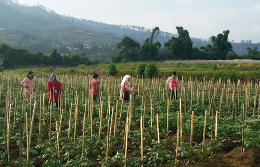
Have you ever thought about how potatoes can be modified to fight off disease? Engineers across the globe are doing things just like this to help beat hunger and contribute to the SDGs. The SDGs, also known as the Sustainable Development Goals, are 17 goals laid out by the United Nations that aim to make the Earth a better and more sustainable place to live. Goal #2, Zero Hunger, looks to end hunger and food insecurity around the world.

Here are 3 innovative and unique ways some engineers are taking action against hunger:

1 – Disease Fighting Potatoes

Photo: https://mndaily.com/239997/news/adpotato/

Did you know that the disease that caused the Irish Potato Famine about 175 years ago is still around and devastating communities across the globe? This is especially the case in Bangladesh, which already has one of the highest rates of child malnutrition on Earth. The issues with crops often lead to farmers using harsh chemicals like insecticide and fungicide which can be damaging to people and the environment. As a result, researchers from the United States, Indonesia and Bangladesh are working on genetically modifying potatoes that are resistant to the disease! They hope through genetic engineering, they will be able to fight off food insecurity and keep people fed, as well as prevent the need for chemicals

2 – Peanut Paste to Fight Malnutrition

Photo: https://www.nutriset.fr/en/history

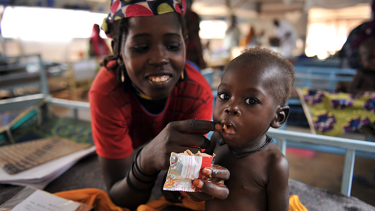
Malnutrition is an issue caused by not receiving the nutrients your body needs to function. This can make someone more susceptible to infections, slower at fighting off illnesses, and cause both short and long term health problems. Nutriset was founded by an agricultural engineer in France who wanted to feed populations who don’t have access to nutritious food. Since then, the company has developed numerous products that treat many nutritional deficiencies from acute malnutrition to chronic malnutrition. One of their most notorious products is called Plumpy’Nut, a peanut paste food supplement that helps malnourished children gain 2 pounds a week!

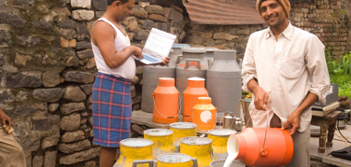
3 – At-Home Milk Testing

Photo: https://www.alj.com/en/perspective/j-wafs-in-action-providing-safe-clean-milk-to-rural-communities/

Did you know that India produces more milk than any other country, but only ¼ of that milk gets tested when it is sourced? Hundreds of thousands of people die from foodborne diseases every year, and making milk production more secure is a key way to reduce hunger and save lives. This led to engineers designing an easy and inexpensive device to test milk quality. The team, funded by MIT’s Abdul Latif Jameel Water and Food Security Lab, uses a sensor to scan for fat and protein and then sends the results to a smartphone. This not only allows farmers to ensure the quality of their milk before selling it, but also helps them better price milk with a higher fat percentage for more money!

These are just a few examples of how engineers are using their minds and skills to improve conditions for people around the world. Innovations like these have the direct potential to save tons of lives, and help eradicate hunger in the process.


Filed Under: #shareABLE, engSPIRATIONAL, Health

Fashion Forward Engineering

by wemadeit

Fashion Forward Engineering

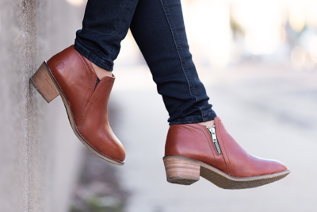
Photo: https://urbanmilwaukee.com/pressrelease/female-engineer-launches-fashionable-steel-toed-footwear-company/

Clothes play a huge role in our self-esteem – they allow us to express who we are and help boost our confidence in our daily lives. Feeling good about yourself has many benefits, and can even make your work better.

This led project engineer Anastasia Kraft to start Xena Workwear and make a fashion-forward steel-toe shoe for women working in STEM fields!

In many STEM industries, you have to wear steel-toed boots while at on-site facilities. These boots help protect your feet from injuries.

For a long time, many female engineers have felt frustrated or have struggled with confidence in these places because of the shoe options available to them. Steel-toed shoes have classically been designed for men. Because of this, they can often be bulky, masculine looking, and hard to transition from on-site locations into the office. The more feminine options available are often just smaller versions of men’s shoes with a splash of pink on them.

This frustration led Anastasia to create a line of steel-toed shoes for women that are fashionable, trendy and, importantly, safe for work! They currently make 3 different styles of shoes in a variety of colours with vegan and non-vegan options.

The shoes have been met with an incredibly positive reaction from women in the industry!

Because of Anastasia, women have more options to help make them feel good and confident while working. She saw something that was lacking from the engineering world and created a product many now love. By having more girls in engineering, we can make the industry more comfortable and approachable for future generations of engineers so they can put their best foot forward.


Filed Under: #shareABLE, #surveySAYS, engSPIRATIONAL, Health

Reduce Your Carbon Footprint With These Shoes

by wemadeit

Reduce Your Carbon Footprint With These Shoes
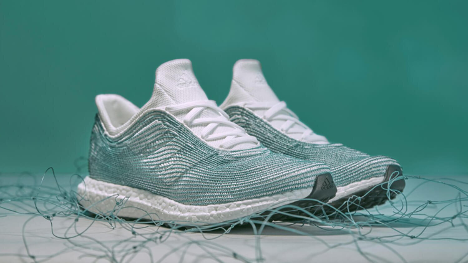
Photo: https://www.parley.tv/updates/adidasxparley

Have you ever seen shoes made out of garbage? You just might’ve and never knew it!

In 2015, Adidas released shoes in collaboration with Parley for the Oceans which use recycled marine pollution as plastic. They’ve since extended this to other products such as athletic shirts, leggings, jerseys and more.

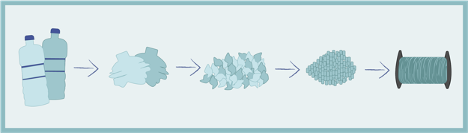
The shoes are made from plastic that is collected along our oceans’ coastlines. The garbage is then sent to Adidas, who utilize plastic waste like water bottles that contain polyethylene terephthalate, which is used to make polyester fibers. They crush the plastic and break down the waste into small plastic flakes, which are then further transformed into resin pellets. This eventually creates what Adidas calls Ocean Plastic, a material that can function like polyester yarn!

The United Nations estimates within every square mile of the ocean there are 46,000 pieces of plastic. This floating debris can be dangerous for the marine life that call the water home. They may get tangled or caught in the waste, or even mistake it for food. This kills more than 1,000,000 seabirds each year! According to Business Insider, through this collaboration, Adidas has stopped 2,810 tons of plastic from entering the ocean, which is equivalent to the weight of 14 blue whales!

In removing harmful waste from our oceans to make shoes, not only does this help save marine animals, but prevents the production of even more plastic. Plastic takes hundreds of years to break down, meaning things like the shoes we wear might outlive us in landfills, the ocean, or other locations! By reducing our own consumption of plastic and coming up with innovative solutions like these, we can help better our planet.


Filed Under: #shareABLE, Engineering Disciplines, engSPIRATIONAL, More2Life

engHero: Dr. Kizzmekia S. Corbett

by wemadeit

engHero: Dr. Kizzmekia S. Corbett
photo: https://www.humanvaccinesproject.org/event/november-5th-speaker-kizzmekia-corbett/

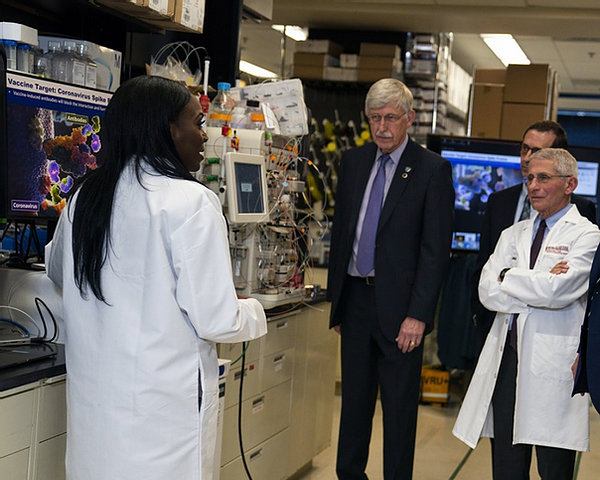
We’d like to shed light on a key contributor to the race to find an effective vaccine for the infamous Coronavirus. Dr. Kizzmekia S. Corbett isn’t just someone that should be recognized in February, but every time a vaccine is mentioned.

“ The vaccine you are going to be taking was developed by an African American woman, and that is just a fact,” Dr. Anthony Fauci, head of the National Institute of Allergy and Infectious Diseases at the National Institutes of Health, stated.

She sparked an interest in science at a young age, but couldn’t possibly foresee the difference her contribution would make. She attended the University of Maryland- Baltimore County as a Meyerhoff scholar, a mentorship program for STEM students. She received a Bachelor of Science in Biological Sciences, while also majoring in Sociology.

Dr. Freeman Hrabowski, the president of the University of Maryland, caught a glimpse of her raw talent early on and stated that he knew she going to make it upon meeting her.

Later she obtained her Ph.D. in Microbiology and Immunology at the University of North Carolina at Chapel Hill in 2014.

photo: https://our-vaccine.org/dr-kizzmekia-corbett/

Corbett currently works as a research fellow and serves as the scientific lead for the Coronavirus Vaccines & Immunopathogenesis Team at the NIH (National Institute of Health). Her team worked to develop the Coronavirus vaccine utilized by Moderna. More specifically, her work is credited for developing the mRNA-1273 vaccine, the most used vaccine against the virus.

Dr. Kizzmekia S. Corbett always had a strong background in science, but it was her ability to communicate with others that set her apart from her peers. Aside from her research, Dr. Corbett is a dedicated advocator of STEM education and vaccine awareness in her community.

The COVID-19 pandemic has brought much sadness to us all, but we have Dr. Kizzmekia S. Corbett to thank for bringing us one step closer to the end of this pandemic.


Filed Under: #shareABLE, engHEROES, Engineering Disciplines, engSPIRATIONAL, Journeys

5 Resources to Help You Pick a University

by wemadeit

5 Resources to Help You Pick a University

Picking a university is tough, especially if you will be calling it home for the next few years. Here are some resources that might help when making your decision:

University Tours

This may seem like an obvious one, but you don’t have to wait until grade 12 to book yourself a university tour! They are a great way to get a feel for the campus, put into perspective the actual sizes of dorm rooms, and get some insider information from your tour guide (especially if they are a current student at the school!).

University Fairs

University Fairs can be a great way to get your questions about a school answered by knowledgeable recruiters. Check with your guidance counsellors to see if your high school hosts any university fairs throughout the year, otherwise check out public university fairs like the annual Ontario University Fair (or any province you may be in!).

University Open Houses

So maybe you missed your chance for a university tour, or maybe you would rather explore a school with more of your friends and family than can fit in a tour group. Universities usually offer multiple Open Houses throughout the school year, where you can explore the campus, hear from different clubs and meet tons of current students. Keep an eye out on school websites for any university you are considering.

Current University Students

Chatting with current university students can be a huge help when debating what school to apply to, or which offer to accept. They can help give you the insider scoop about the school that may not be on the school’s website, and can become a friend should you choose to go there. Talk to your guidance counsellors to see if they can set you up with any of your school’s alumni, or reach out to the university itself.

When in doubt, email them!

All school’s have a Contact section on their website where you can write them an email or get their phone number. If you have a specific question, or just don’t know where to start, they will be happy to help you. Don’t be shy!

Filed Under: #shareABLE, #surveySAYS, Engineering Disciplines, Getting There, Grade 11, Journeys Tagged With: #gettingthere, email, engineering, fairs, OUF, tours

« Previous Page
Next Page »

Footer

Menu

  • About WEMADEIT
    • Donor
    • Partners
      • Toronto Metropolitan University
      • Ontario Tech University
      • University of Waterloo
      • Western University
  • For Students
    • Blog
    • Getting There
      • Engineering Disciplines
      • Student Life
      • Where Can I Study?
      • What You Don’t Know About Engineering
      • ENG BLING
    • Black Students
    • Indigenous Students
    • 2SLGBTQIA+ Students
    • Women and Girls
  • For Parents
    • Where Can You Study Engineering?
    • What is Engineering?
  • For Undergrads
    • Gaining work experience
    • Peer Mentorship
    • One Awards
    • Next Generation in Power
    • New Grad Program
  • For Teachers
    • Teacher Resources
  • Getting Involved
  • Contact Us
    • Newsletter Signup

Search

Teacher Login

Register | Lost your password?

  • Facebook
  • Instagram
  • Twitter

© 2026 · WEMADEIT | Site Design by rtraction