• Skip to primary navigation
  • Skip to content
  • Skip to primary sidebar
  • Skip to footer

We Made a Difference. We Made it Together. WEMADEIT.

  • About WEMADEIT
    • Donor
    • Partners
      • Toronto Metropolitan University
      • Ontario Tech University
      • University of Waterloo
      • Western University
  • For Students
    • Blog
    • Getting There
      • Engineering Disciplines
      • Student Life
      • Where Can I Study?
      • What You Don’t Know About Engineering
      • ENG BLING
    • Black Students
    • Indigenous Students
    • 2SLGBTQIA+ Students
    • Women and Girls
  • For Parents
    • Where Can You Study Engineering?
    • What is Engineering?
  • For Undergrads
    • Gaining work experience
    • Peer Mentorship
    • One Awards
    • Next Generation in Power
    • New Grad Program
  • For Teachers
    • Teacher Resources
  • Getting Involved
  • Contact Us
    • Newsletter Signup

engSPIRATIONAL

No more of this cheesy “inspirational quote of the day” business. These women and ideas are the real deal. We dare you to not be inspired by them (it’s impossible).

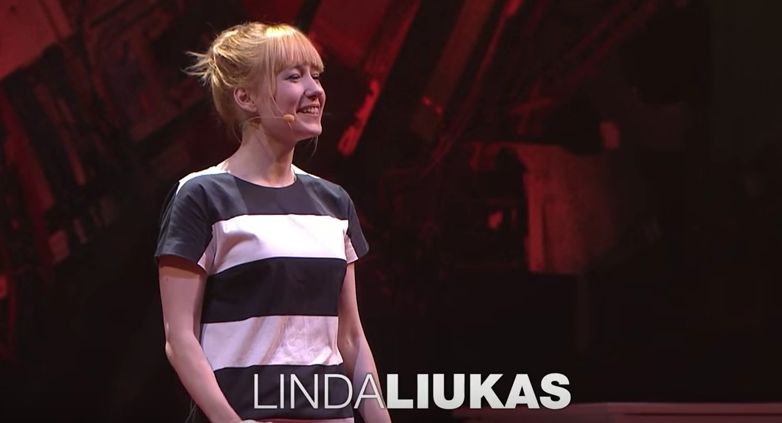
A delightful way to teach kids about computers

by wemadeit

A delightful way to teach kids about computers

Procrastinating? We’ve got just the thing! The YTT have pulled together a series of TED Talks that they LOVE. Grab some popcorn and get comfy, because you’re about to get seriously inspired by these amazing engineering projects.


What is this TED talk about?

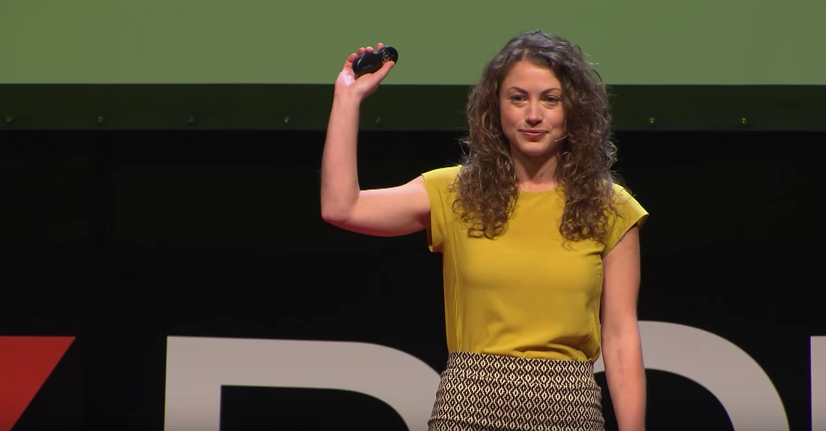
In this TED Talk, Linda helps to educate everyone to see that there is more to computers than the personal computers their parents use every day, but that computer technology exists and can exist in even more everyday objects such as remote controls, cars, fridges, etc. In this talk, she encourages people to be optimistic and brave about technology and use it to create a better world.
Filed Under: TED talk

Gabrielle Rochino

by wemadeit

Gabrielle Rochino

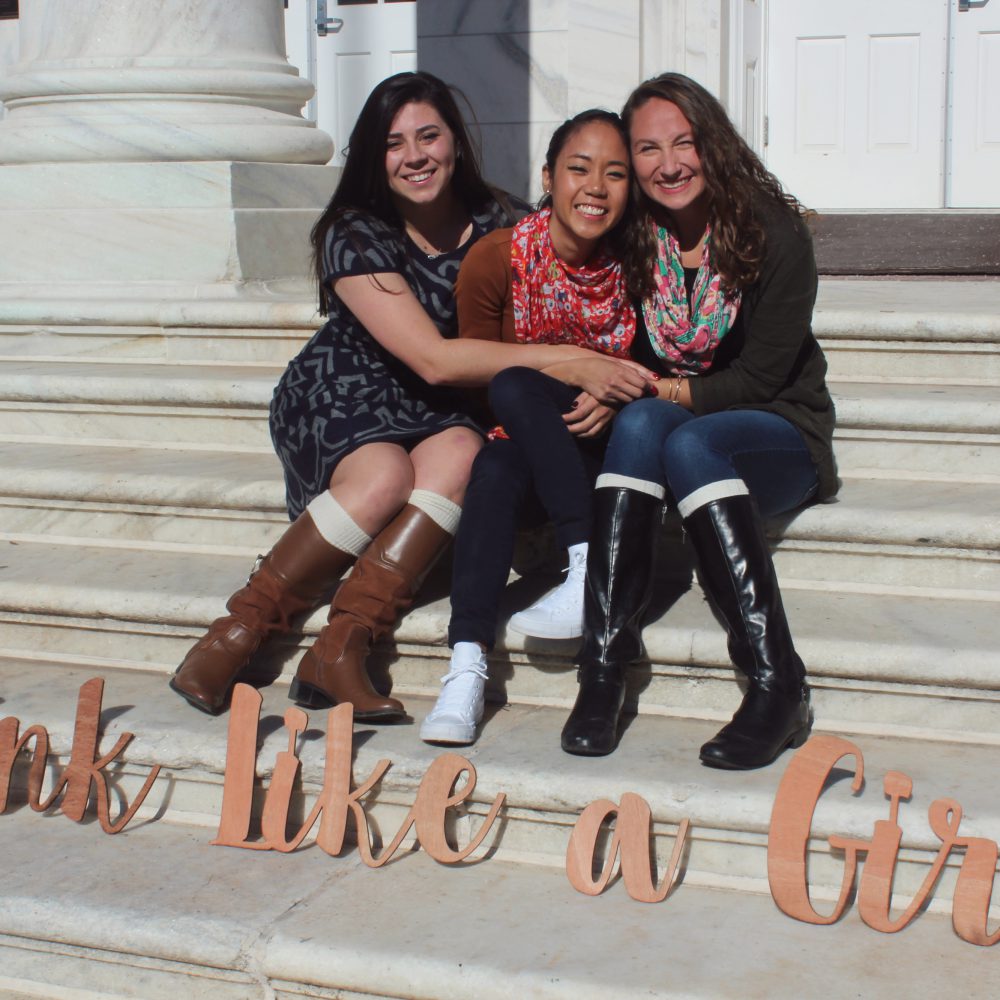
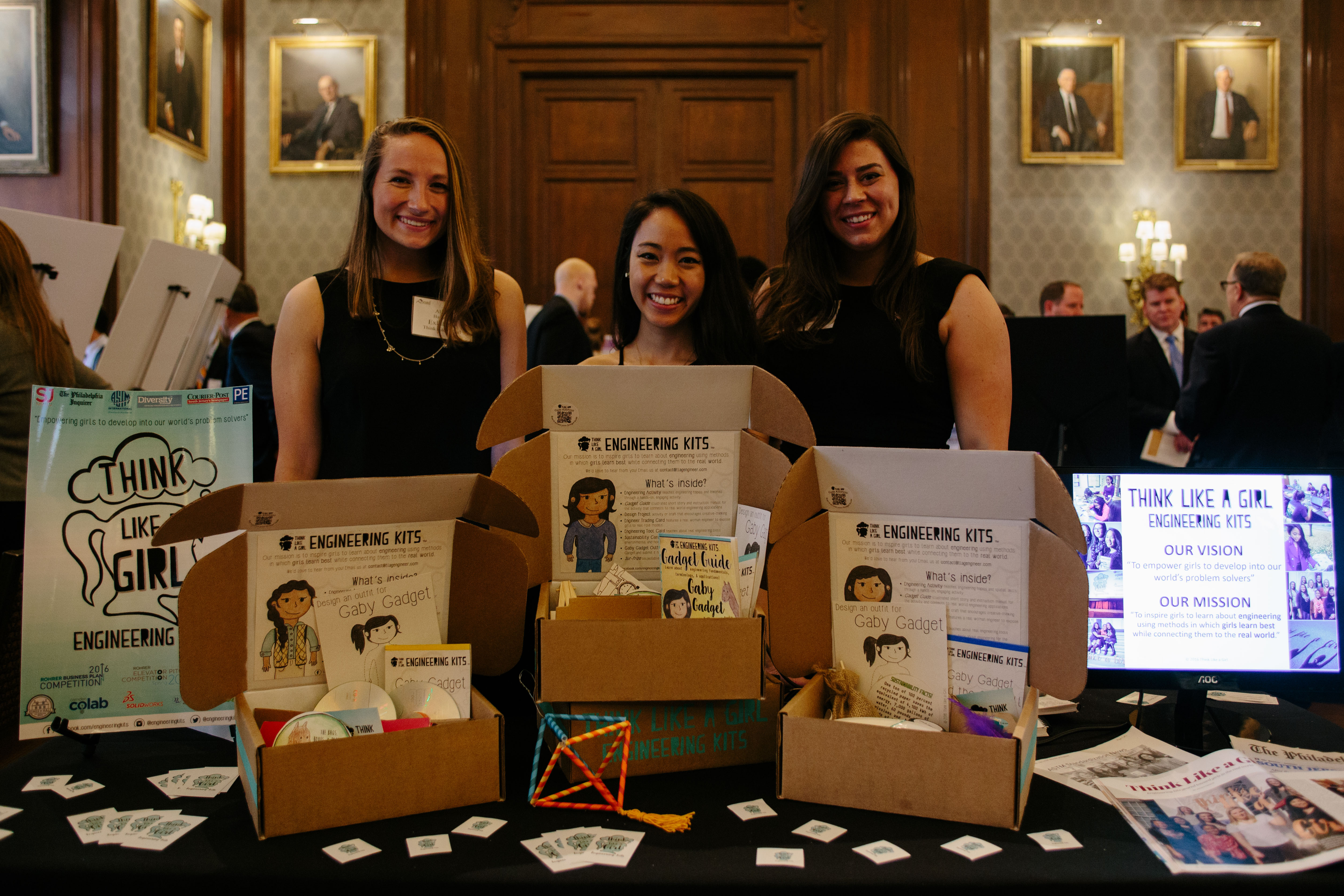
Q&A WITH engHERO: Gabrielle RochinoImage of Think Like a Girl Co-founders

From left to right: Alexis Basantis (Think Like a Girl CCO & Co-Founder), Gabrielle Rochino (Think Like a Girl CEO & Co-Founder), Megan DeGeorge (Think Like a Girl COO & Co-Founder).

Q: What’s one thing you wish you knew about engineering back when you were in high school?

In high school, two of my interests were engineering and art. I took a lot of advanced art electives, but also my dad and uncle, who are both engineers, made me take a Computer-Aided Design (CAD) elective, because of my dad and uncle, who claimed that CAD could help me become a good engineer. Even though I was one of the few girls in that course, I soon became one of the top students. I always viewed art and engineering as two different sides of a spectrum. I thought that they used two completely different sets of skills. After going through several years of my drafting course, as well as all of my classes in my engineering school, I now know that engineering and art actually work symbiotically to create the best possible solution. A quote that really resonates with me and the realizations I have is: “Art without engineering is dreaming. Engineering without art is calculating.” – Steven K. Roberts.

Q: What is Think Like a Girl and where did the inspiration for the project come from?


During my junior year of college, I took “Thermal-Fluid Sciences I and II,” each 6-credits that combine Thermodynamics, Heat Transfer, and Fluids. Because of this class, it was, without a doubt, the most challenging year of our mechanical engineering program. The challenge of this class definitely brought down my self esteem and really made me doubt my abilities to do engineering. Also, during this year, I also took “Entrepreneurship & Innovation,” a business class that’s also required in our mechanical engineering curriculum. One of our projects was to write an elevator pitch for a new product. I used the difficulty I was facing junior year in my engineering program, turned it around and used it to inspire Think Like a Girl: Engineering Kits.

I never want girls feeling like there are limitations on what they can achieve just because of their gender. I never want girls to feel like how I felt sitting in my Thermal Fluid Sciences class looking around the room doubting myself because I couldn’t relate to any of my classmates. I want to empower girls to achieve great things. I submitted my idea for Entrepreneurship & Innovation and after an online judging process, I was picked as one of the top 10 ideas out of over 85 students who submitted pitches. This allowed me to present my idea to the Rohrer College of Business 2015 Elevator Pitch Competition on April 17, 2015 in front of a panel of judges and I won first place! During the following summer, I wrote a proposal to the Rowan Innovation Venture Fund to have my own section of Engineering Clinic and to receive funding. My proposal was accepted and I was able to develop a team of students to work on developing my idea into a real product and I also received some seed funding from my engineering college.

Q: Tell me about a time in your career when your work has been about discovery or curiosity?

During my junior year of college, I was on my school’s SAE Supermileage automotive competition team on the aerodynamics team and I was also the primary driver for the 2015 Competition in Marshall, Michigan. Now, I did not particularly have any interest in cars or engines, nor did I have any experience on an automotive competition team, but I was always willing to learn more. While on the aerodynamics team, my primary role was to somehow take the overall shape of the shell of the car that was designed in a CAD software and design a way to fabricate it. The team wanted to somehow create a hard skeleton and then stretch a synthetic plastic fabric over it.

Using my background and skills in CAD software, I independently designed a mold for a fiberglass shell, which the fabric would be sewn onto and then heat shrunk. In addition to my technical background, I also used my creative side to fabricate the shell. When I was younger, my lola (grandma in Filipino), taught me how to sew. As I grew up, I sewed my own clothes, stuffed animals, and purses. I used my sewing skills to nicely sew the fabric onto the car skeleton, making sure that it was as aerodynamic as possible. My entire experience on the Supermileage team helped me become a better and more creative engineer. I learned so much about fuel-efficient, aerodynamic vehicles and the process to build one. I also learned how creative skills are just as important as technical skills when it comes to engineering.

Q: Do you feel your work contributes to society? How so?

In the past few months, we performed several focus groups and outreach events with local non-profits, Girl Scout troops, and schools. These events are probably my favorite part about everything that’s happening with Think Like a Girl right now. I love seeing the students’ eye light up when I explain to them all of the cool things that engineers can make. They’re especially amazed by how much engineers are involved in things in their daily lives. Even just educating kids about engineering and having them consider engineering as a possible career choice makes all of this work worth it. The things that I remember the most are when kids ask me more questions about engineering or when they tell me that now they want to be an engineer.

Q: Why do we need more female engineers?

Female engineers offer a unique perspective to the table. A story we usually like to share related to this is the creation of the standard “soccer mom” minivan. When it was first designed, it only had one sliding door. This design was created by a male engineer. A female engineer identified that typically, women with shorter arms could not reach across the seats when loading the car from the one sliding door. She redesigned it with an additional side door and now you never see any minivans without two sliding doors.

Additionally, girls need to feel empowered. Encouraging girls to pursue technical fields, such as engineering, will show demonstrate to them that they can aspire to be whatever they want, regardless of their gender. Nothing should hold a girl back from dreaming to do what she wants.

Out of all the engineers in the U.S., only 14% are female (American Society of Mechanical Engineers). The most upsetting part is that this percentage is not expected to increase dramatically in the next decade (Scientific American). I really do love studying engineering. I get to think creatively, but I am also challenged to optimize my designs to be the best they can be. A lot of girls, though, don’t believe that engineering is meant for them. According to an in-depth study done by the Girl Scout Research Institute in 2012 entitled, “Generation STEM: What Girls Say about Science, Technology, Engineering, and Math,” two of the main reasons why girls don’t go into engineering are because of lack of female role models and the misconception of what it is to be an engineer. Additionally, 92% of girls want to be in a career where they can help people.

Most of the time, girls envision an engineer as someone who drives a train or a nerdy guy on a computer. Girl don’t see that engineers actually helps out a lot a people, animals, and the environment. Engineers accomplish so many amazing things and so many girls have the potential to thrive in engineering, but just are not exposed to and educated about what engineers do.

Q: Is there a person who influenced your decision to become an engineer?

My dad, who is an electrical engineer, as well as my uncle and grandpa, who are both mechanical engineers, played major roles in encouraging me to pursue engineering. They challenged me to take higher level math and science courses, as well as a Computer-Aided Design elective, but they also encouraged my creative side.

Filed Under: engHEROES

Inspiring the next generation of female engineers: Debbie Sterling

by wemadeit

Inspiring the next generation of female engineers: Debbie Sterling

Procrastinating? We’ve got just the thing! The YTT have pulled together a series of TED Talks that they LOVE. Grab some popcorn and get comfy, because you’re about to get seriously inspired by these amazing engineering projects.


What is this TED talk about?

Debbie Sterling is an engineer and founder of GoldieBlox, a toy company out to inspire the next generation of female engineers. She has made it her mission in life to tackle the gender gap in science, technology, engineering and math.

Filed Under: TED talk

Samin Eftekhari

by wemadeit

Samin Eftekhari

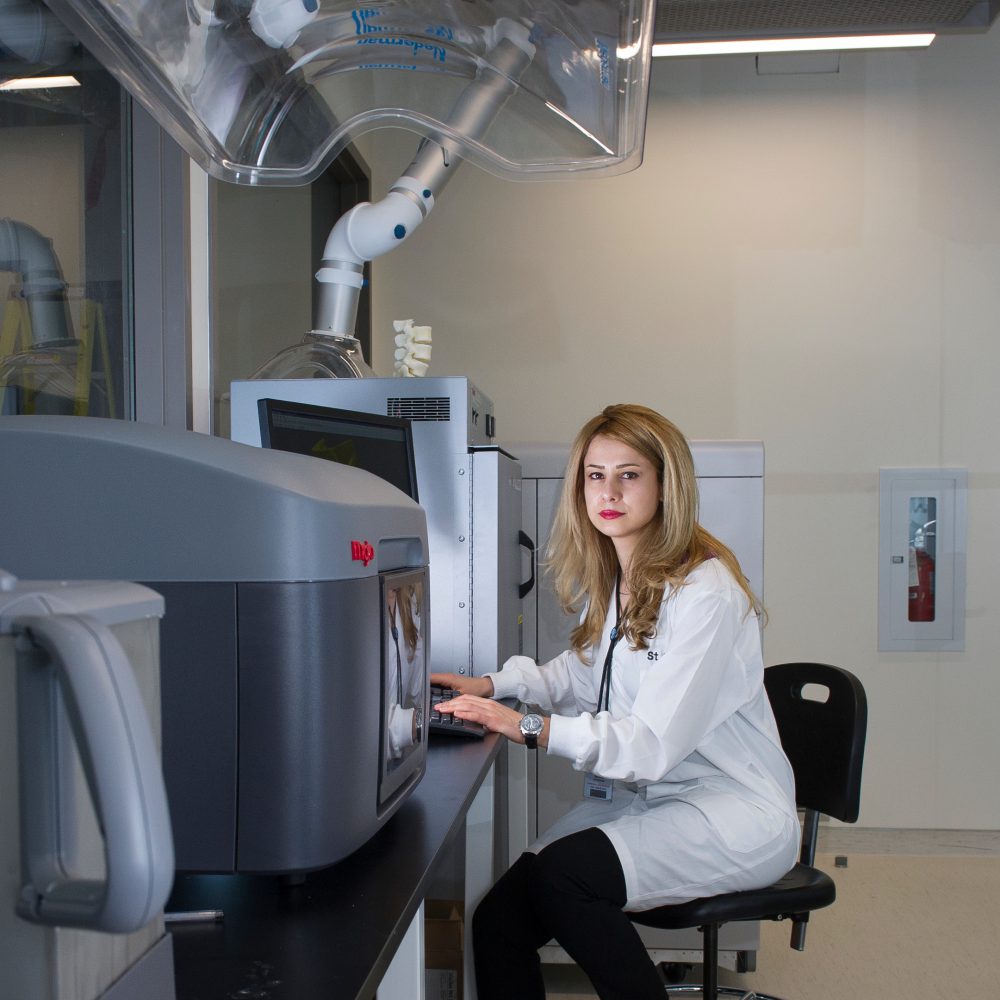
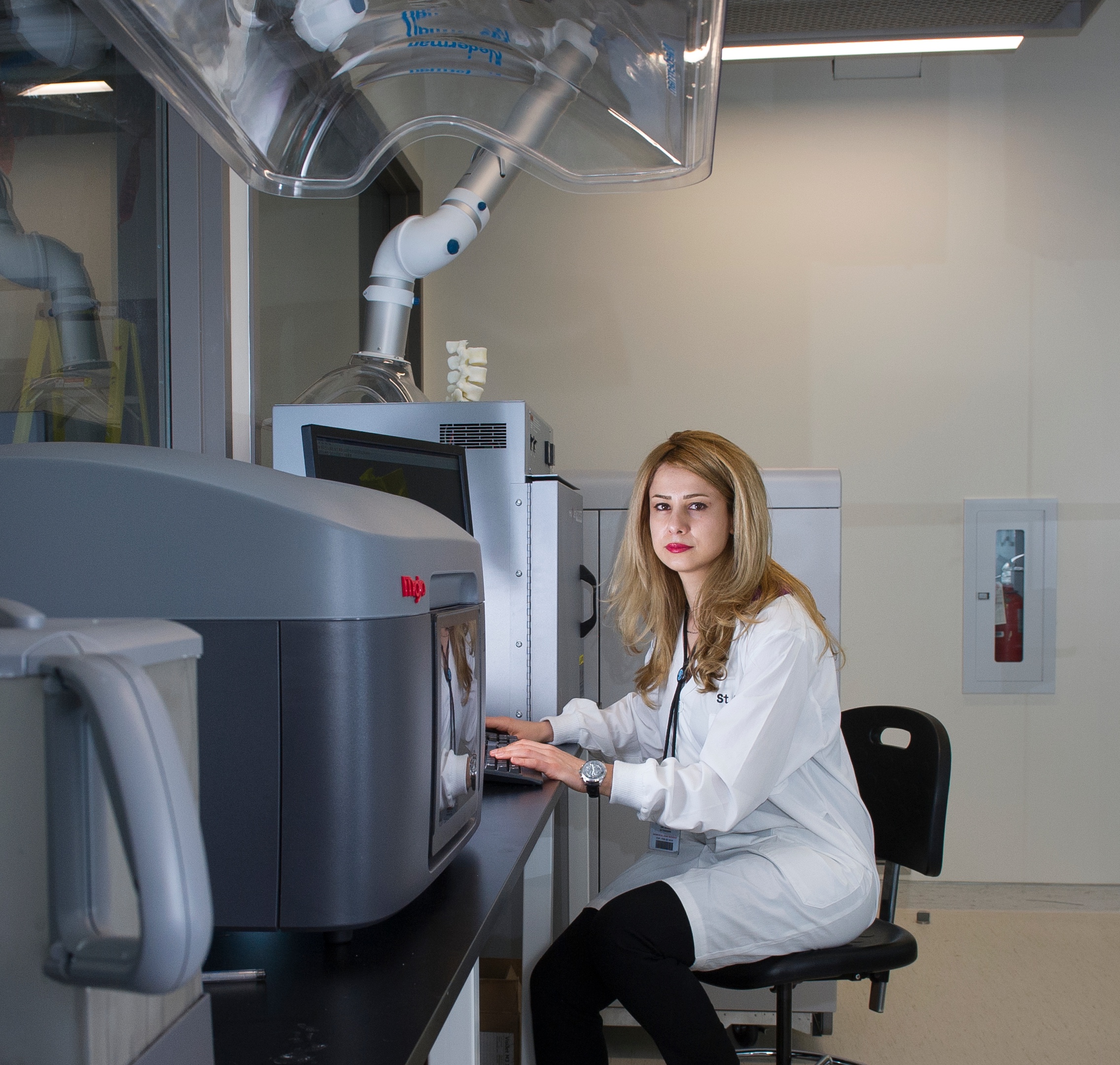
Q&A WITH engHERO: Samin EftekhariImage of Samim Eftekhari

Q: What’s your proudest accomplishment as an engineer?

Ever since I was a child, I was interested in the creation of new things. Being trained as an engineer, gave me the ability to advance in my professional career based on my interest and passion. My patented novel biomaterial for bone repair applications is my proudest achievement.

Q: Tell me about a time in your career when your work has been about discovery or curiosity?


While I was doing research for my Master’s degree, I was working on developing a new material to be used as an artificial artery, and trying to modify its blood coagulation capability. The process was full of hurdles and obstacles, but I did not give up because I wanted to have my contribution in making the lives of the patients with heart-related conditions, including my father, easier. For my PhD project, I decided to do research on the common ways for treating bone fractures and finding new solutions and ways to alleviate the pain of patients with bone injuries. Whole my life, I’ve tried to make an impact in people’s lives for a better future.

Q: What are you doing these days?

I am working on a project that came out of my PhD research. I have developed a novel orthopedic material that mimics natural human bone. Using this patented technology, we are in the process of developing personalized orthopedic implants with customizable shape, strength and absorption rates for each individual patient with bone injury. Artin Biomed, is a start-up company that I have founded to develop these implants and brings them to the medical market.

Q: Why do we need more female engineers?

I believe engineering transforms students into future entrepreneurs. I feel it is important to train more female engineers because engineering skills empower women, so that they will have the required abilities to change the lives of everyone around them.

Q: When you were becoming an engineer, were you nervous and stressed out about all the math and science? What made you push through and become an engineer? Were you sure that you wanted to become an engineer when you were in Grade 12?

In some regions of the world, girls face double discrimination and unique barriers to development, simply because they are female. My passion and courage to break social barriers helped me cope with all of the challenges related to the technical difficulty of the field that I chose.

Q: Do you have any hobbies/passions that give you a unique perspective in engineering?

I exercise every day and swim every weekend. As an engineer, I know that in order to operate functionally and productively, we have to take care of the most important and amazing machine of life: our bodies!

Q: Tell us about your Norman Esch Engineering Innovation and Entrepreneurship Award idea, and what motivated you to get started?

I was privileged to receive Norman Esch Engineering Awards. I used the award money to fund market analyses for my business idea, build a business model, and test it out. I believe that through this ongoing experience, I became much more familiarized with business and management skills such as budget management and business planning. I developed a business plan for my idea, which stems out of my PhD research. Through this opportunity, I have been able to hone in on a great deal of skills which I believe are valuable assets in order to be a successful entrepreneur in the future.

Filed Under: engHEROES

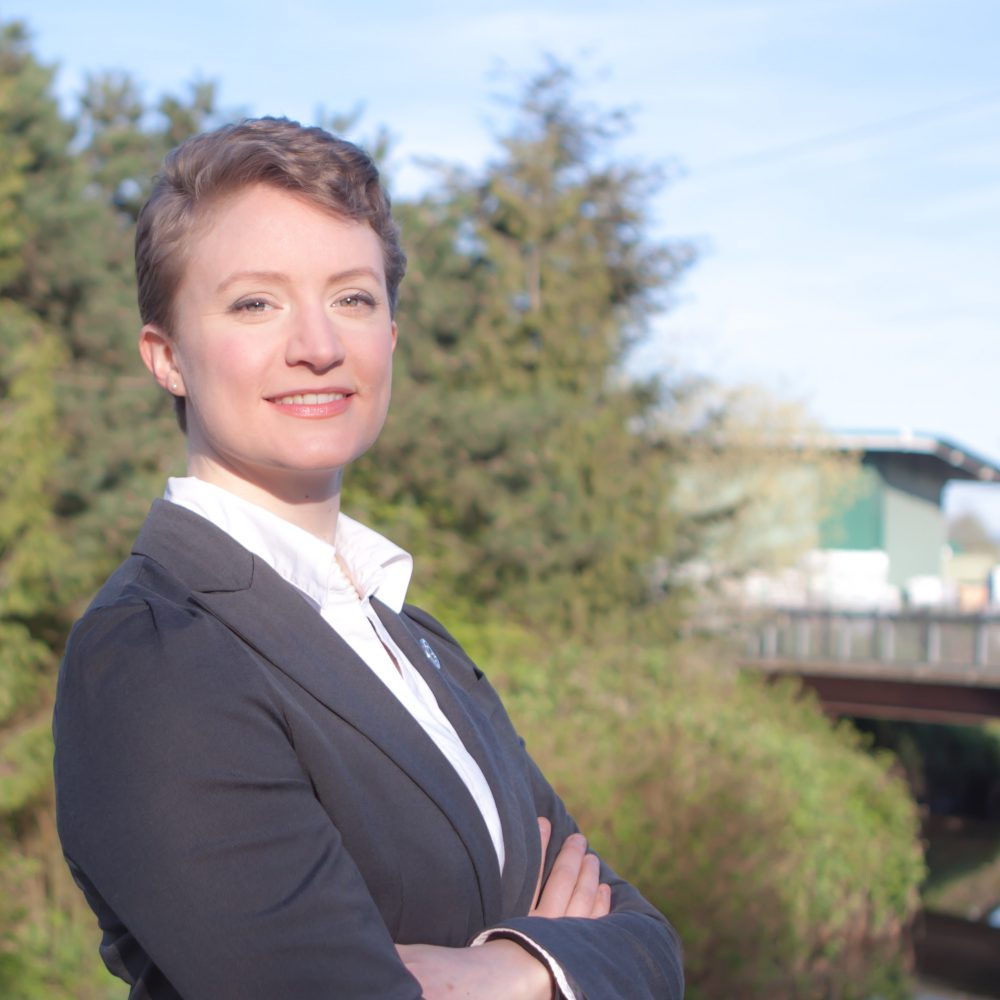
Laura Smith

by wemadeit

Laura Smith

Q&A WITH engHERO: Laura Smith

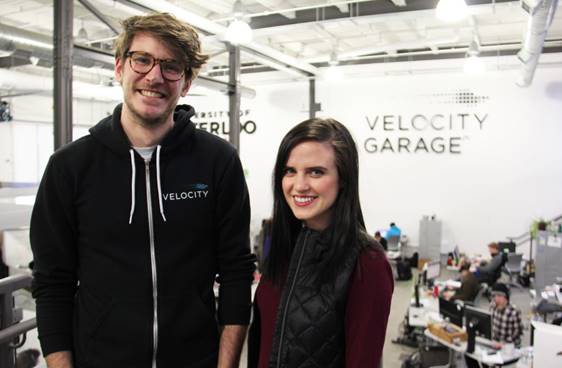
Image of Laura Smith

Q: What’s one thing you wish you knew about engineering back when you were in high school?

I wish I knew that Software Engineering could be a career for me! I was intimidated by technology and programming so I didn’t consider it a viable option for me. It wasn’t until my first year programming class that I tried programming for the first time. I then realized that Software Engineering combines math, problem solving and logic, which were all things that I loved!

Q: What’s your proudest accomplishment as an engineer?

My proudest accomplishment has been building my startup Pout, and then getting acquired by a great company! As the sole technical team member of Pout, I learned how to build solutions to constant challenges. I also saw the product I was creating being loved by our users, which was very gratifying!

Q: Tell me about a time in your career when your work has been about discovery or curiosity?

Programming languages are constantly changing so I am constantly discovering new ways of architecting and building apps. At my current job, I’m on a great team where there is a culture of curiosity and humility. We all are open to learning from each other and excited to build great products.

Q: Do you feel your work contributes to society? How so?

Yes, I get to see millions of people using the Everalbum iOS app and specific features that I built, which is very rewarding! The Everalbum app allows people to better organize all of their photo and video memories in one place. Solving this problem is very valuable to people as they struggle to keep track of all of their memories from various places on their devices and the internet.

Q: Why do we need more female engineers?

More than 50 percent of users of apps are female, so it only makes sense that we also have females contributing to and building these apps! Teams with diversified perspectives make better decisions so having females on the team is hugely important!

Also, there is a massive deficit of software engineers, which will only continue to grow. If the same number of females became Software Engineers as males, this would be a game-changing boost to our economy and the speed and quality of technology innovation.

Q: When you were becoming an engineer, were you nervous and stressed out about all the math and science? What made you push through and become an engineer? Were you sure that you wanted to become an engineer when you were in Grade 12?

I always enjoyed math and science, but I didn’t see myself working as an engineer. I was especially intimidated by Software Engineering, after watching too many Hollywood movies highlighting “genius hacker kids”. Having never done programming until my first year, I thought I was far behind my classmates who had tried it in high school. However, I really enjoyed my first year programming course and all of its projects. With my professor’s encouragement, I followed my interest, despite being intimidated!

Q: What are you doing these days?

I am working as a Software Engineer on the iOS team at Everalbum, the company that acquired Pout. My day-to-day work involves programming new features, analyzing how people are using our app, and using this information to decide what features to build next.

Filed Under: engHEROES

Siobhan Robinson

by wemadeit

Siobhan Robinson

Q&A WITH engHERO: Siobhan Robinson

Photo of Siobhan RobinsonQ: What’s one thing you wish you knew about engineering back when you were in high school?

That engineering is all about helping people.  When I was younger I was dead set on being a doctor because I wanted to help people live healthier, happier lives. I decided to enroll in chemical engineering and complete it with a biology minor to get most of the medical school pre-requisites out of the way. I also wanted a degree that would open doors and I figured that double engineering and medicine degrees would be very powerful.

In my last year of my undergrad, I took a course on water and wastewater treatment and my whole perspective on engineering changed.  I found out that, historically, the most significant impacts to public health were connected not to advances in medical science, but to the disinfection of drinking water and installation of proper sanitation systems. This discovery helped me to connect my desire to help people live healthy lives with the engineering and problem solving that I had come to love through my undergraduate degree. I haven’t looked back!

Q: What’s your proudest accomplishment as an engineer?

This one is tough. I remember feeling very proud when I was chosen to travel to northern BC to talk to students about engineering, to expose them to the work that we do and talk about how engineering is all about helping people.  I had only been working for a couple of years and I felt like I was being chosen to be an ambassador for the profession. I thoroughly enjoyed the experience and have continued to look for opportunities to interact with kids and show them the wonderful world of engineering. My other proudest moment was when I received my professional designation and joined the ranks of the incredible engineers who have paved the way for all who follow… pun intended :).

Q: Tell me about a time in your career when your work has been about discovery or curiosity?

I work as a consultant which gives me lots of opportunities to work in teams with smart people with different areas of expertise to solve difficult problems.  One project where my work has been about discovery or curiosity is a corrosion project for the Resort Municipality of Whistler (RMoW). The RMoW has many different water sources and historically has seen evidence of internal corrosion across their system (i.e. green staining of faucets, pinhole leaks in domestic piping and leakage in particular areas of the distribution system). They hired us to work with them to figure out how this corrosion might impact the lifespan of their pipe in the ground and identify the best way to manage any corrosion that is occurring.

To start, we had to determine how corrosive the water actually was, then figure out the best way to manage it. In doing our background research we found out that not only is there no standard way to determine if source water is corrosive, but also that there is a lot of disagreement in the scientific community about how corrosive water actually degrades the pipes from the inside out (particularly with copper corrosion typically associated with green staining). We did some baseline testing and found that the water is very aggressive to steel, but copper samples installed in the system were not degraded rapidly. We’re very curious about what is happening on the surface of the materials and are currently partnering with the University of British Columbia to discover what is actually happening at to the surface at the molecular level and determine how this will impact the lifespan of RMoW’s infrastructure.

Q: Do you feel your work contributes to society? How so?

Absolutely! My work focuses on water and wastewater infrastructure which I feel is the foundation for healthy communities… I might be a little bit biased here.

Q: Why do we need more female engineers?

I think that teams benefit from the diversity of not only gender, but also practice area, race, and age because this diversity brings many different perspectives to the table. These varying perspectives allow us to be more creative and innovative in the way that we solve problems. With these differing opinions, approaches and perspectives it’s not always easy to agree on a solution, but when we do, the solution is usually a much better one. One other strength I see with my female peers is that we are often excellent integrative, systems thinkers who are good at seeing the big picture and using this perspective to figure out how to organize and break down difficult problems.

Q: Is there a person who influenced your decision to become an engineer?

Yes, I was definitely influenced by two strong women in my life. My Aunt who is a civil engineer/lawyer who works as a patent and trademark agent and my sister who started chemical engineering two years ahead of me then went on to do her PhD in biomedical engineering.

Q: How did it feel to be listed as one of Canada’s Most Powerful Women in 2015?

Surreal! It is humbling to be part of a group of such incredible women. This network has inspired me to dream big and to believe that I can accomplish anything that I set my mind to.

Filed Under: engHEROES

« Previous Page
Next Page »

Primary Sidebar

Categories

  • #shareABLE (70)
  • #surveySAYS (8)
  • engHEROES (50)
  • Engineering Disciplines (35)
  • engSPIRATIONAL (59)
  • Getting There (17)
  • Grade 11 (4)
  • Health (3)
  • Journeys (20)
  • Listen Up (5)
  • listenUp! (2)
  • More2Life (7)
  • Our Favourite Articles (2)
  • Press (3)
  • Recipes (2)
  • Reviews (5)
  • TED talk (17)
  • TheFieldTrip (5)
  • Uncategorized (4)
  • weTHINK (15)

Teacher Login

Register | Lost your password?

Sign Up To Our Newsletter

Footer

Menu

  • About WEMADEIT
    • Donor
    • Partners
      • Toronto Metropolitan University
      • Ontario Tech University
      • University of Waterloo
      • Western University
  • For Students
    • Blog
    • Getting There
      • Engineering Disciplines
      • Student Life
      • Where Can I Study?
      • What You Don’t Know About Engineering
      • ENG BLING
    • Black Students
    • Indigenous Students
    • 2SLGBTQIA+ Students
    • Women and Girls
  • For Parents
    • Where Can You Study Engineering?
    • What is Engineering?
  • For Undergrads
    • Gaining work experience
    • Peer Mentorship
    • One Awards
    • Next Generation in Power
    • New Grad Program
  • For Teachers
    • Teacher Resources
  • Getting Involved
  • Contact Us
    • Newsletter Signup

Search

Teacher Login

Register | Lost your password?

  • Facebook
  • Instagram
  • Twitter

© 2026 · WEMADEIT | Site Design by rtraction