
• Skip to primary navigation
  • Skip to content
  • Skip to primary sidebar
  • Skip to footer

We Made a Difference. We Made it Together. WEMADEIT.

  • About WEMADEIT
    • Donor
    • Partners
      • Toronto Metropolitan University
      • Ontario Tech University
      • University of Waterloo
      • Western University
  • For Students
    • Blog
    • Getting There
      • Engineering Disciplines
      • Student Life
      • Where Can I Study?
      • What You Don’t Know About Engineering
      • ENG BLING
    • Black Students
    • Indigenous Students
    • 2SLGBTQIA+ Students
    • Women and Girls
  • For Parents
    • Where Can You Study Engineering?
    • What is Engineering?
  • For Undergrads
    • Gaining work experience
    • Peer Mentorship
    • One Awards
    • Next Generation in Power
    • New Grad Program
  • For Teachers
    • Teacher Resources
  • Getting Involved
  • Contact Us
    • Newsletter Signup

Engineering Disciplines

Quoth wikipedia:

“Engineering (from Latin ingenium, meaning “cleverness” and ingeniare, meaning “to contrive, devise”) is the application of scientific, economic, social, and practical knowledge in order to invent, design, build, maintain, and improve structures, machines, devices, systems, materials and processes.

The discipline of engineering is extremely broad, and encompasses a range of more specialized fields of engineering, each with a more specific emphasis on particular areas of applied science, technology and types of application.”

Well put crowd sourced mega brain!

Check out our breakdowns of the Fields of Engineering.

There is No Such Thing as One Size Fits All in Space

by wemadeit

There is No Such Thing as One Size Fits All in Space

Getting the opportunity to blast off into space, and explore our galaxy is one that many dream of from a young age. Ever since man got to the moon, many others have aspired to take that exact same step. This great milestone has inspired dances, along with references in film and television. Of course, astronauts historically started with men and have been predominantly dominated by men. However, October 18, 2019, marked a long-awaited milestone in aerospace history. Two women walked on the moon, side by side without being accompanied by a man. This is amazing, however, this accomplishment begs the question “why has this taken so long?”. Why haven’t there been more women astronauts? The answer to this question differs depending on who you ask.

When asked, Ken Bowersox the acting Associate Administrator for Human Exploration at NASA and a former astronaut, connected the lack of female astronauts to their differing physical characteristics. He compared spacewalking to playing football, in that having a broader body type makes it easier to excel. “Spacewalks are one of those areas where just how your body is built in shape, it makes a difference in how well you can work a suit.”

Other NASA officials, researchers and astronauts disagree, arguing that maneuvering in zero gravity has nothing to do with your physical characteristics. Claiming that moving in this environment, is all about technique, small movements and being able to twist your body in the correct direction. All of which is taught during the training astronauts must successfully complete before going to space. 
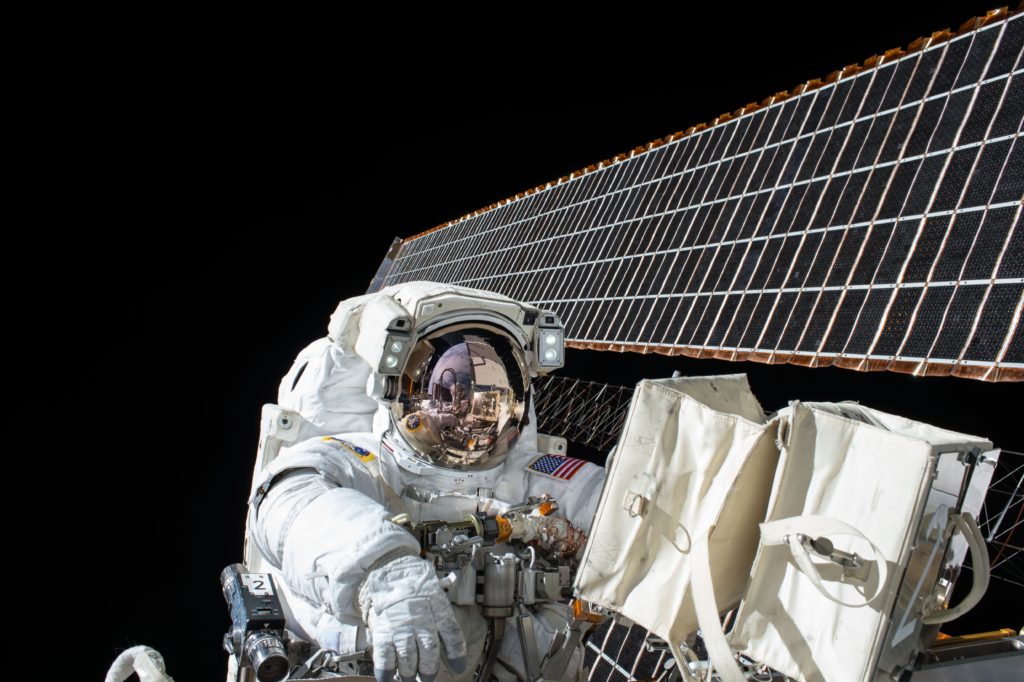
Some even argue that height specifically is holding women back from space exploration. But many have argued that the average height difference between men and women is too small to make a difference, and has nothing to do with spacewalking. In fact, being shorter is even better in some situations astronauts encounter. Dava Newman, the former NASA Deputy Administrator who is working on a new spacesuit design at MIT claims “there are a lot of tight places in a Hubble repair, so actually a smaller person has some advantages in terms of getting into some tight spaces and some tight repairs”.

If it isn’t physical characteristics holding women astronauts back, what is? Astronauts, researchers and NASA officials alike have traced this problem back to the original design of the spacesuit itself. The spacesuit is an extraordinary example of engineering that acts as a safeguard between the human body and new dangerous environments. Traditionally, only applied to men, because the design of this suit was better suited to fit and accommodate their bodies. 

“When NASA was deciding which size torsos to make, the agency opted against creating smalls and even extra-smalls.” This meant that the exclusion of smaller sizes prevented women from being able to properly fit within the suit. Being 100 percent comfortable, and functional in the suit is crucial for a safe trip to outer space, which directly excluded women for a very long time. Astronauts must be able to move around in the spacesuit, without too much extra space (in order to keep the proper air compression). This perfect balance was something that for a long time wasn’t possible for women, preventing them from becoming astronauts. 

This is another great example of why more women are needed in engineering. If more minorities are represented in the design process, more minorities will be accommodated for in technology. Imagine all that could have been done, if women were able to fit into space suits sooner? This problem is not unique to astronauts, design discrimination is real in all industries and is something we can stop. There is no better way to change the world than to have a say in the design of it. 

Filed Under: #shareABLE, Engineering Disciplines, weTHINK

Musical Engineers

by wemadeit

Musical Engineers

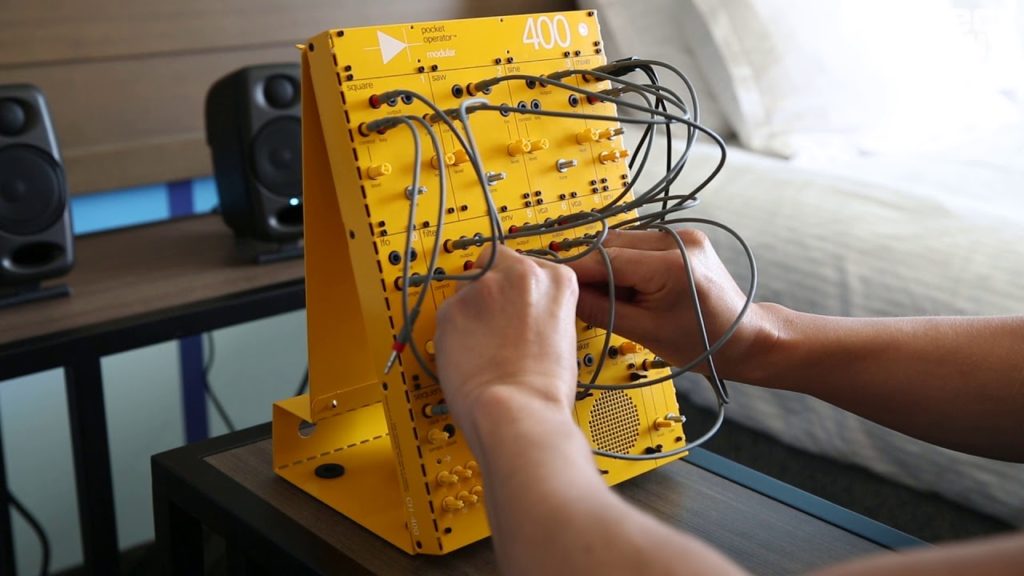
Engineering is full of creativity! Though sometimes it’s easy to forget that when you only focus on STEM. There are new advances in creative fields all the time because of the hard work of engineers. The tech company Teenage Engineering is a perfect example of where creativity and engineering collide.  

Teenage Engineering are famous for their unique and design-forward synthesizers.

For anyone that doesn’t know, synthesizers are an electronic musical instrument that takes audio signals and converts them into sound. Synthesizers are also known for being able to generate/copy virtually any sound. The term “synthesize” means to make something new, and in this case, that is often done by putting old pieces together. Not only is this a place for musicians to buy instruments, but they recently launched their own record company under the name Teenage Engineering Records. 

This record label has two rules for musicians who want to have their music released. 

  1. It has to be a good song (who would’ve thought?)
  2. The song must use at least one Teenage Engineering instrument

The first release for this new record company came from a Swedish artist named Buster. The song was called “You’re in Love With Your Hair”, this artist is a newcomer in the music industry. One of Teenage Engineers Record’s goals is to shine a light on emerging talent. It will be exciting to see the new unique music that will be released because of labels like Teenage Engineers Records. 

The amount of opportunities for tech-savvy enthusiasts and musicians alike is growing, with additions like Teenage Engineering Records to the industry. Next time you think of engineering maybe it will be while listening to Buster’s new song on Spotify- give it a listen! 

Filed Under: #shareABLE, Engineering Disciplines, engSPIRATIONAL, Reviews Tagged With: engineering, engineers, music, musicak, snythesizer, teenage

The Wonders of Civil Engineering

by wemadeit

The Wonders of Civil Engineering

Civil engineers are changing and molding the world around us, so it’s no wonder that their creations and innovations are truly spectacular. Not only are the finished products of these engineers’ hard work often impressive, but they help save lives. Making accessible roads and bridges can alter the entire dynamic of an ecosystem for the better. Civil engineers have a heavy weight on their shoulders because they know what they create, will affect the livelihood of a community.

This weight also makes for a very rewarding profession because of the difference you can make. These differences can be seen and manifested in different structures around the world. Some admire them for their beauty, and others see the beauty in these pieces because of the impact. Either way, it is undeniable that civil engineers create magnificent things, so let’s take a look at some of them.

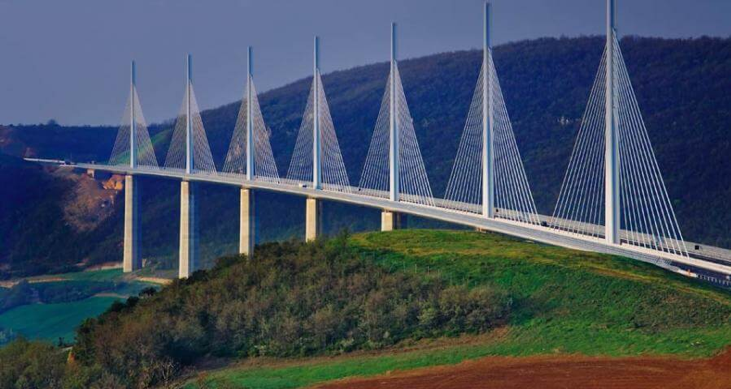
One of the stereotypes that follows engineers is the thought that they only build bridges. Which of course is 100 percent not true, but on the other hand, civil engineers do create some breathtaking bridges. An example of one of these creations is Millau Viaduct which is located in Millau France. Millau is a beautiful village in southern France, that has the Millau Viaduct which holds the world record for the tallest bridge.

The bridge is 343 meters tall and supports a road that is over the Tran river. This record-breaking bridge was built by the same construction company that was behind the Eiffel tower (Eiffage). The main reason why this landmark is a tourist attraction isn’t it’s height or the people behind it, it’s the breathtaking view of the valleys and river that surrounds it.

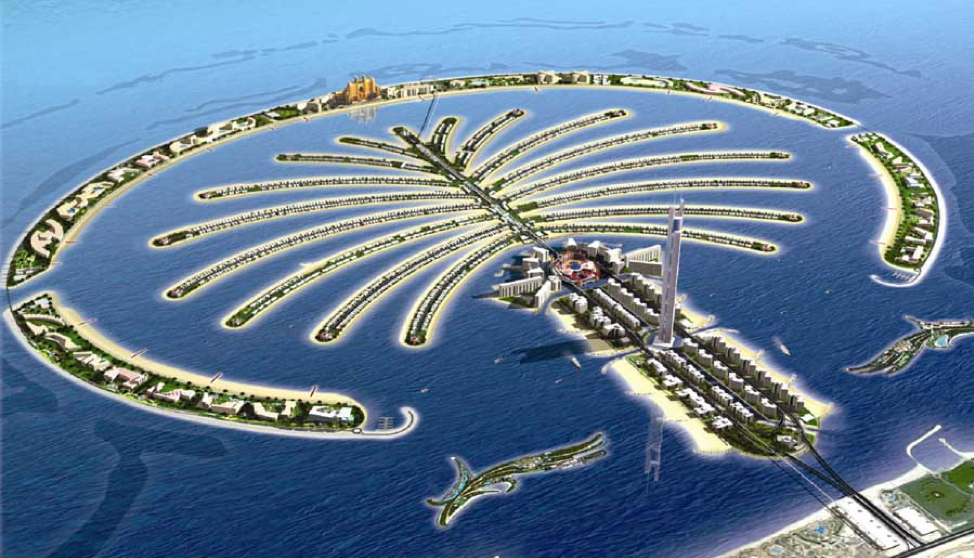
71 percent of the world is covered by water, that leaves less than 30 percent of the surface area for us to live on. Or does it? Well, building land on the water is not a new concept and is referred to as “Land reclamation“. The fact is that this idea has been around for centuries, but when it comes to doing this the most effectively the Palm Islands of Dubai, United Arab Emirates has got the rest of the world beat.

The Palms Islands literally looks like a palm tree from an aerial view and contains many luxury resorts. Surrounding this palm tree mass of land floating in the ocean, there is nearly a 7-mile long crescent. The Palm Islands is one of the most famous land reclamation projects in the world, because of its size and beauty. Who wouldn’t want to escape the world for a bit, and live it up on a literal palm tree island?

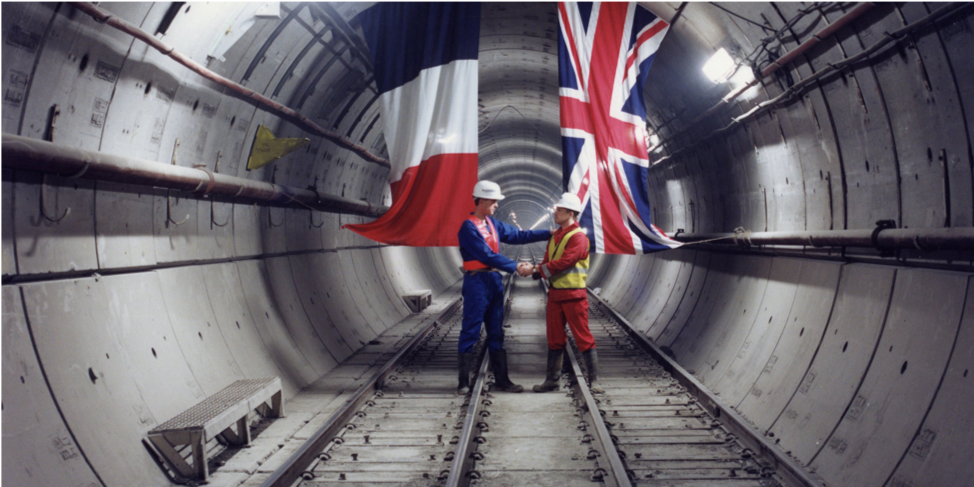
Clearly the world is made up of more water than land, so instead of building on top of it, why not try going underneath it? Well, France and the United Kingdom had the same thought all the way back in 1802, when they drafted the first plan for “The Channel Tunnel”. The goal behind this tunnel was to go underneath the seas and connection northern France and southern England. This ambitious idea was spearheaded by Eurotunnel, a company that transports passengers all around Europe. This, in theory, is a great idea, but in practice took until 1988 to begin construction. Then it wasn’t till 1994 when it opened for services. This monster of a tunnel is 50.45 km long making it the longest undersea tunnel. In fact, the Channel Tunnel is actually made up of three tunnels, two rail tunnels, and a service tunnel. This is a massive accomplishment in the history of civil engineering, because this innovation changed the way goods and services could be delivered and how people could travel.

Clearly civil engineers create some amazing things that really change the world, whether that is through positive social change or visual appearance. These are the people who are the minds behind the cities and communities we live in, and the wonders we travel from near and far to visit. Next time you are walking around your hometown/city it is worth thinking about the people who created the world around you.

Filed Under: #shareABLE, Engineering Disciplines, engSPIRATIONAL

Aerospace Engineering – Explained

by wemadeit

Aerospace Engineering – Explained

Have you ever wondered what Aerospace Engineering was all about?

Some universities have a total of 8 different branches of engineering, and with all those names and degree options it is easy to be overwhelmed and a bit confused. Instead of randomly picking a field of engineering, it is important to understand what each program does. This will help you decide what school to go to and really find your passion for engineering.

Aerospace engineering is offered at 5 universities in Canada, and 2 of those are right here in Ontario. This emerging field, is one of the newest and advancing areas of engineering. 

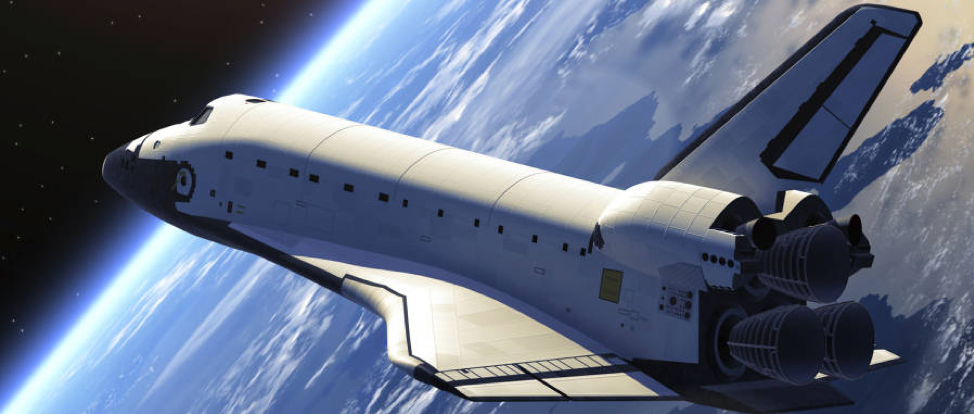
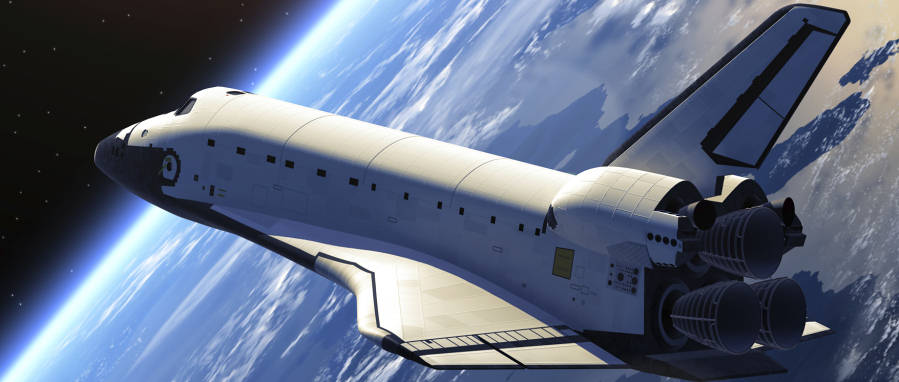
In simple terms, aerospace engineering is designing and building machines –that fly. That’s right, anywhere from drones, airplanes– to even rockets! There are two specialties within this field; aeronautical engineering and astronautical engineering.

Aeronautical Engineering

Aeronautical engineering involves designing air crafts that are categorized as “lighter than air” this includes helicopters, gliders, airplanes and jets.

Astronautical Engineering

Astronautical is just what it sounds like, it is the design of spacecraft. This means that a career in aerospace engineering can look very different depending on which specialty you choose. So, whether you are interested in making an impact on flying technology in this world or in this universe, aerospace engineering has got you covered. 

Aerospace engineering is a very specialized and a relatively new field, so there is only a select few universities that offer the program here in Canada. The universities that do offer a bachelors in aerospace engineering include: Ryerson University, Carleton University, Concordia University, École Polytechnique de Montréal and the Royal Military College of Canada. 

Careers in Aerospace Engineering

Aerospace engineers can work in the corporate field, for an airline. This would involve designing commercial airplanes, and even change the way they run to adapt to the escalating problem of climate change. Commercial engineers have really had to rethink their design recently, because of climate change. This proves to make their jobs interesting, and of course impactful on the world. 

Then, of course, you have the opposite side of the scale which would be spacecraft engineers. These engineers help countries propel into space technology, and research more about outer space to understand the world we live on. Spacecraft engineers often find themselves using supercomputer simulations, because of the danger surrounding their line of work.

The geniuses behind this technology are engineering, science and data processing managers. These process managers make the simulations more efficient and effective to use. This is vital to the spacecraft engineer position, because the ability to try machines before being used by astronauts, will save lives.

Since safety is such an important part of aerospace, there are also compliance officers. These are the engineers that use their knowledge of aerospace to ensure that all rules and regulations are followed to meet safety standards. 

Lastly, drafters are engineers that create detailed drawings and specification sheets for the product designed. That can range from commercial airplanes to a spacecraft. either way very specific and detailed drawings are needed. 

Aerospace is a branch of engineering that covers everything flying under the sun. Hopefully, you have a better understanding of this branch of engineering. This field of engineering is going to change the world as we know it, and you can be a part of the change. It’s only up from here!

Filed Under: #shareABLE, Engineering Disciplines Tagged With: #gettingthere, aerospace, disciplines, engineering, explained

Mechatronics Engineering

by wemadeit

Mechatronics Engineering

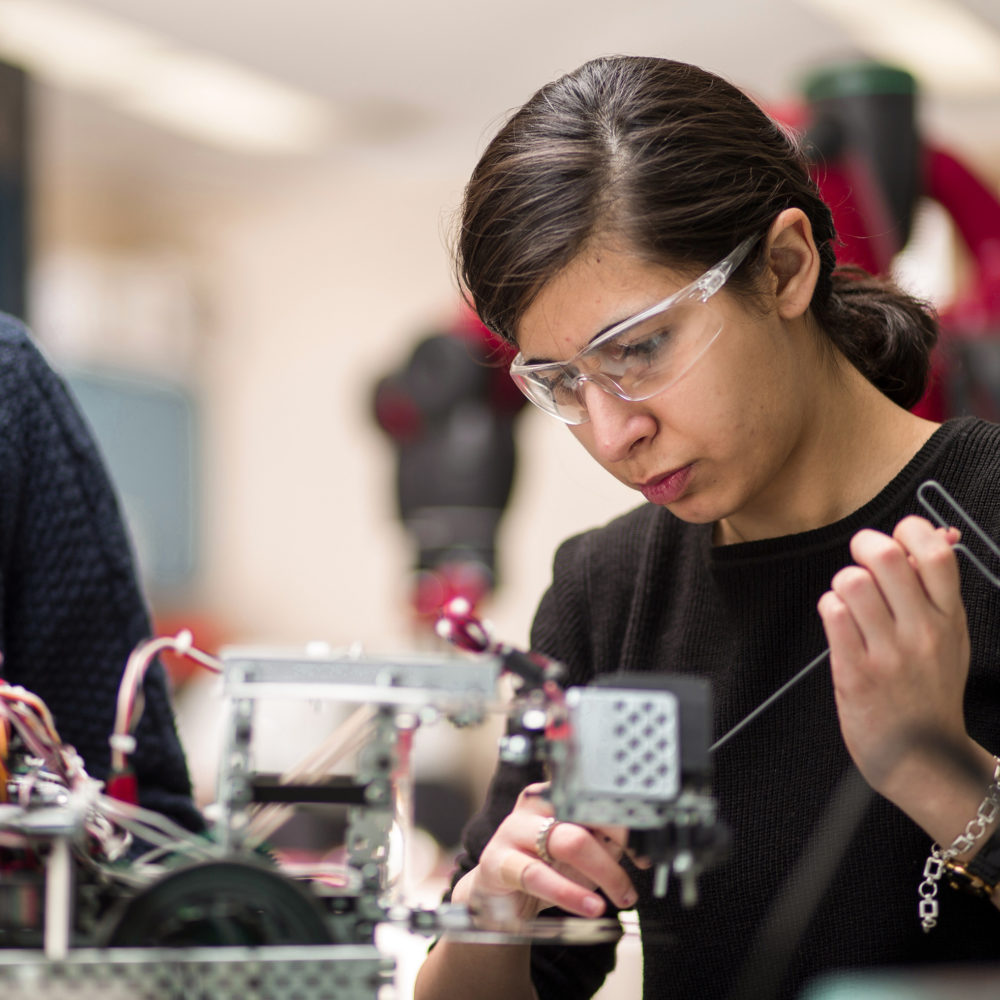
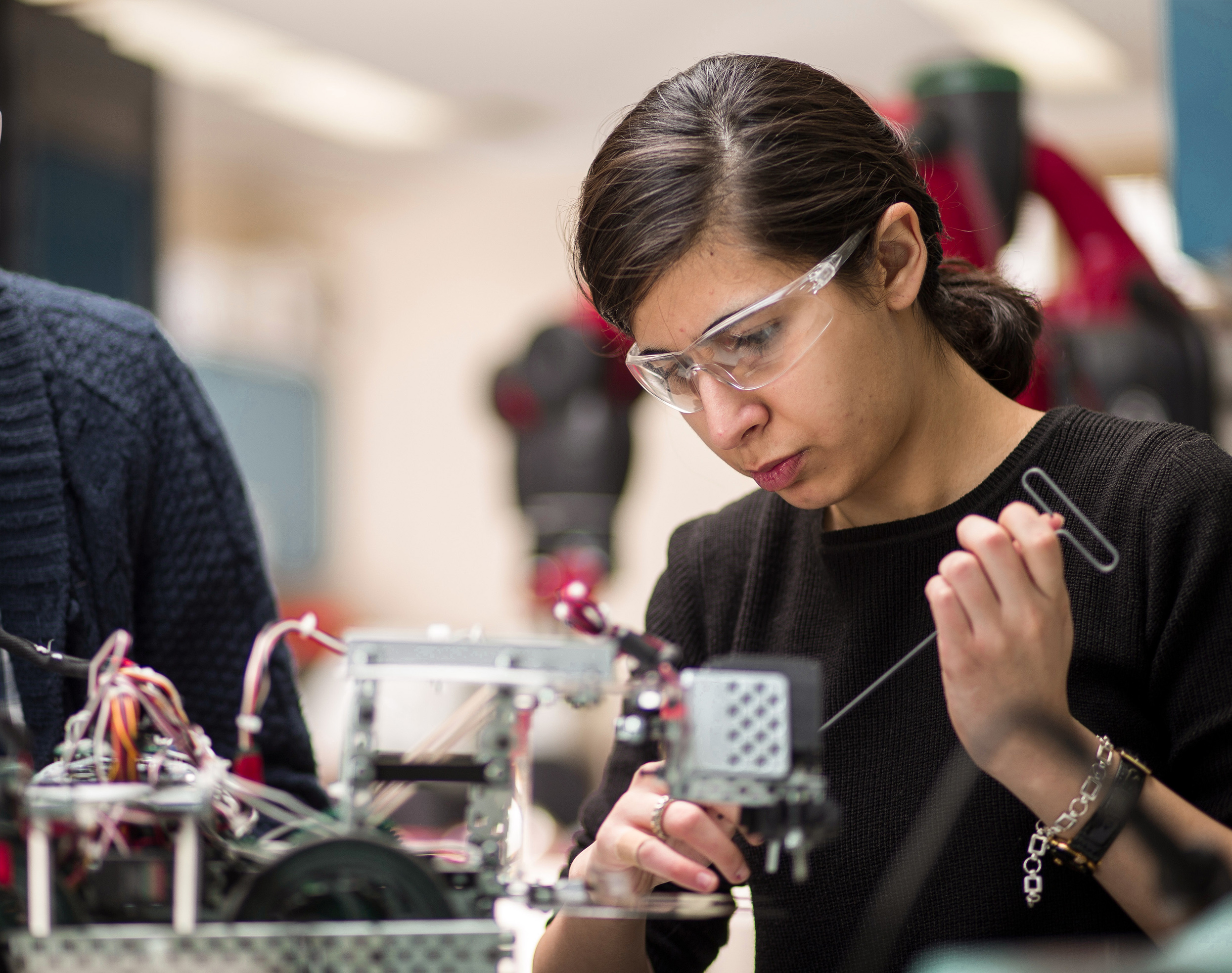
Mechatronics Engineering is a multidisciplinary field of study, which integrates Mechanical, Electrical, Computer or software, Systems Engineering and many more. The study and application of Mechatronics Engineering is often linked with robotics and automation.

WHAT KIND OF COURSES DO MECHATRONICS ENGINEERS STUDY IN SCHOOL?
  • Computer Aided Design
  • Robotics & Automation
  • Electronic Circuit Design
  • Object Oriented Programming
  • Structures and Properties of Materials
WHAT ARE SOME COOL PROJECTS THAT MECHATRONICS ENGINEERS GET TO WORK ON?
  • Designing and Fabricating a bionic arm or other prosthetics that can mimic human gestures
  • Designing Automated Vehicles and creating a mini city to test fully automated technologies
  • Designing medical devices that can identify health issues which are typically difficult to detect
  • Designing and building automated systems to efficiently harvest grains, fruits and vegetables in large quantities.
  • Developing humanoid robots that possess artificial intelligence
WHAT ARE 5 QUALITIES OF A MECHATRONICS ENGINEER?
  • Problem Solving
  • Written, Oral & Visual Communication
  • Strong Mathematical Ability
  • Logical Thinking
  • Creativity and Imagination
HOW DO MECHATRONICS ENGINEERS CONTRIBUTE TO MAKING THE WORLD A BETTER PLACE?

This new field of engineering is purposed to use the principles behind all existing disciplines to develop devices that solve real-world problems. This can be as simple as a household robot, intended to vacuum your floors, or items on a larger scale such as medical devices, or self-driving vehicles to make the world a safer and better place.

Filed Under: Engineering Disciplines

Software Engineering

by admin

Software Engineering

What’s this career all about?

Software Engineers are the brains behind the computer screen. They apply the principles of computer science to develop software for operating systems, code the computer to perform a specific function, or design, construct, test, and maintain a computer applications software to meet the receiver’s expectations.

What kind of courses do Software Engineers study in school?

  • Computer Security
  • Informatics
  • Systems Design
  • Algorithms

What are some cool projects that Software Engineers get to work on?

  • Create the artificial intelligence that controls video figures like those in The Sims.
  • Develop software for the GPS
  • Write software that controls the habits of robots
  • Coreboot, the campaign for a free BIOS

What are qualities of a Software Engineer?

  • Analytical Aptitude
  • Good mathematical ability
  • Logical
  • Sympathetic to end-users

How do Software Engineers contribute to making the world a better place?

Without computer software engineers, we wouldn’t have any software for computers! We wouldn’t have Microsoft, Apple, Google, YouTube, any of it! These engineers create everything that we have on our computers, phones, tablets; without them, we wouldn’t have any of these. These engineers make the world a better place by creating software for computers to make our lives easier. Imagine how much harder it would be to, say, write a research paper, without the use of the internet and Microsoft Word!

Filed Under: Engineering Disciplines Tagged With: career, future, types of engineering, work life

« Previous Page
Next Page »

Primary Sidebar

Categories

  • #shareABLE (70)
  • #surveySAYS (8)
  • engHEROES (50)
  • Engineering Disciplines (35)
  • engSPIRATIONAL (59)
  • Getting There (17)
  • Grade 11 (4)
  • Health (3)
  • Journeys (20)
  • Listen Up (5)
  • listenUp! (2)
  • More2Life (7)
  • Our Favourite Articles (2)
  • Press (3)
  • Recipes (2)
  • Reviews (5)
  • TED talk (17)
  • TheFieldTrip (5)
  • Uncategorized (4)
  • weTHINK (15)

Teacher Login

Register | Lost your password?

Sign Up To Our Newsletter

Footer

Menu

  • About WEMADEIT
    • Donor
    • Partners
      • Toronto Metropolitan University
      • Ontario Tech University
      • University of Waterloo
      • Western University
  • For Students
    • Blog
    • Getting There
      • Engineering Disciplines
      • Student Life
      • Where Can I Study?
      • What You Don’t Know About Engineering
      • ENG BLING
    • Black Students
    • Indigenous Students
    • 2SLGBTQIA+ Students
    • Women and Girls
  • For Parents
    • Where Can You Study Engineering?
    • What is Engineering?
  • For Undergrads
    • Gaining work experience
    • Peer Mentorship
    • One Awards
    • Next Generation in Power
    • New Grad Program
  • For Teachers
    • Teacher Resources
  • Getting Involved
  • Contact Us
    • Newsletter Signup

Search

Teacher Login

Register | Lost your password?

  • Facebook
  • Instagram
  • Twitter

© 2026 · WEMADEIT | Site Design by rtraction