• Skip to primary navigation
  • Skip to content
  • Skip to primary sidebar
  • Skip to footer

We Made a Difference. We Made it Together. WEMADEIT.

  • About WEMADEIT
    • Donor
    • Partners
      • Toronto Metropolitan University
      • Ontario Tech University
      • University of Waterloo
      • Western University
  • For Students
    • Blog
    • Getting There
      • Engineering Disciplines
      • Student Life
      • Where Can I Study?
      • What You Don’t Know About Engineering
      • ENG BLING
    • Black Students
    • Indigenous Students
    • 2SLGBTQIA+ Students
    • Women and Girls
  • For Parents
    • Where Can You Study Engineering?
    • What is Engineering?
  • For Undergrads
    • Gaining work experience
    • Peer Mentorship
    • One Awards
    • Next Generation in Power
    • New Grad Program
  • For Teachers
    • Teacher Resources
  • Getting Involved
  • Contact Us
    • Newsletter Signup

engHEROES

Superheros are not just cartoons, they’re real people too! From rocket scientist to entrepreneur, our team interviewed some of the most incredible female engineers out there. Check out these engHEROES’ stories for some serious inspiration.

Siobhan Robinson

by wemadeit

Siobhan Robinson

Q&A WITH engHERO: Siobhan Robinson
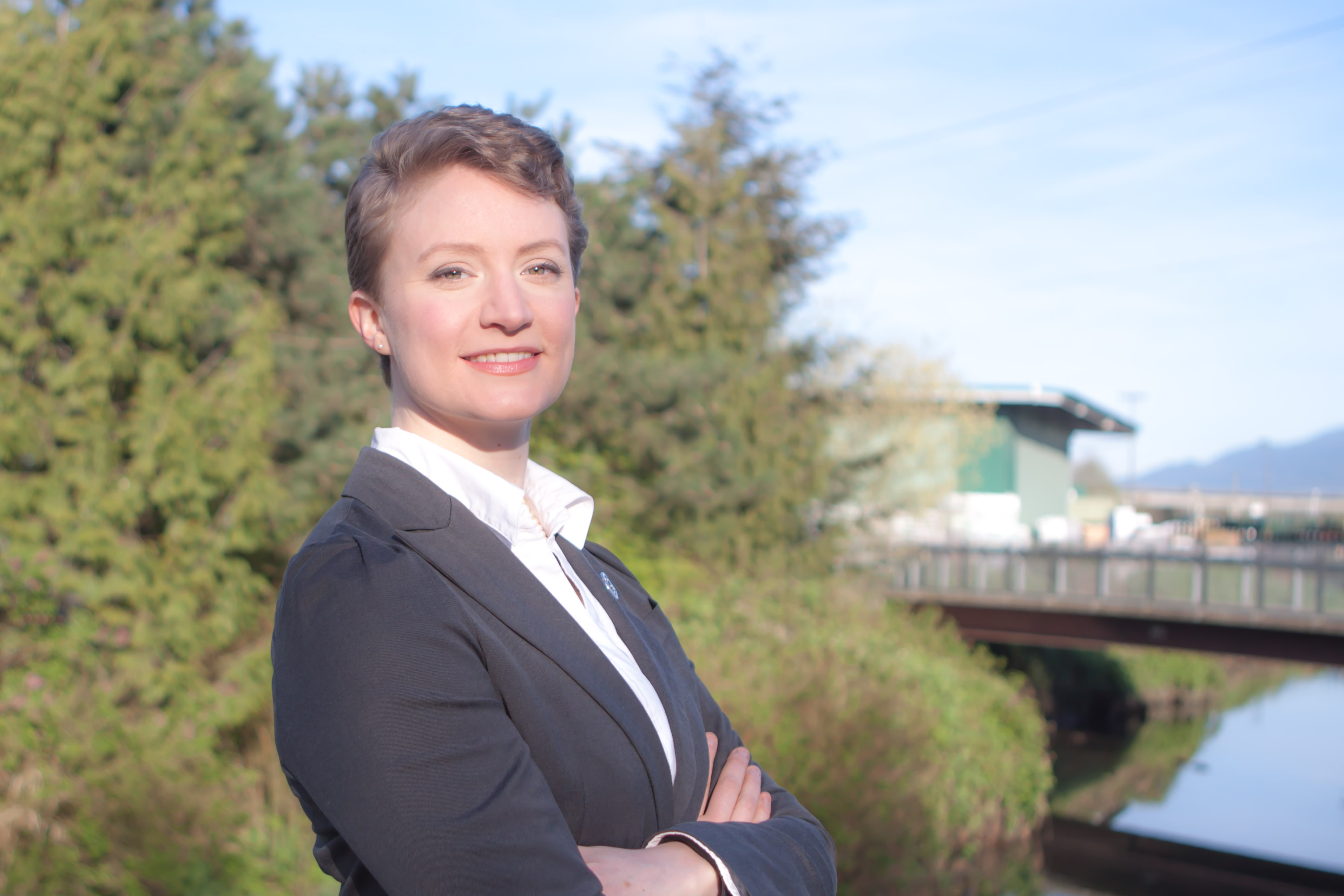
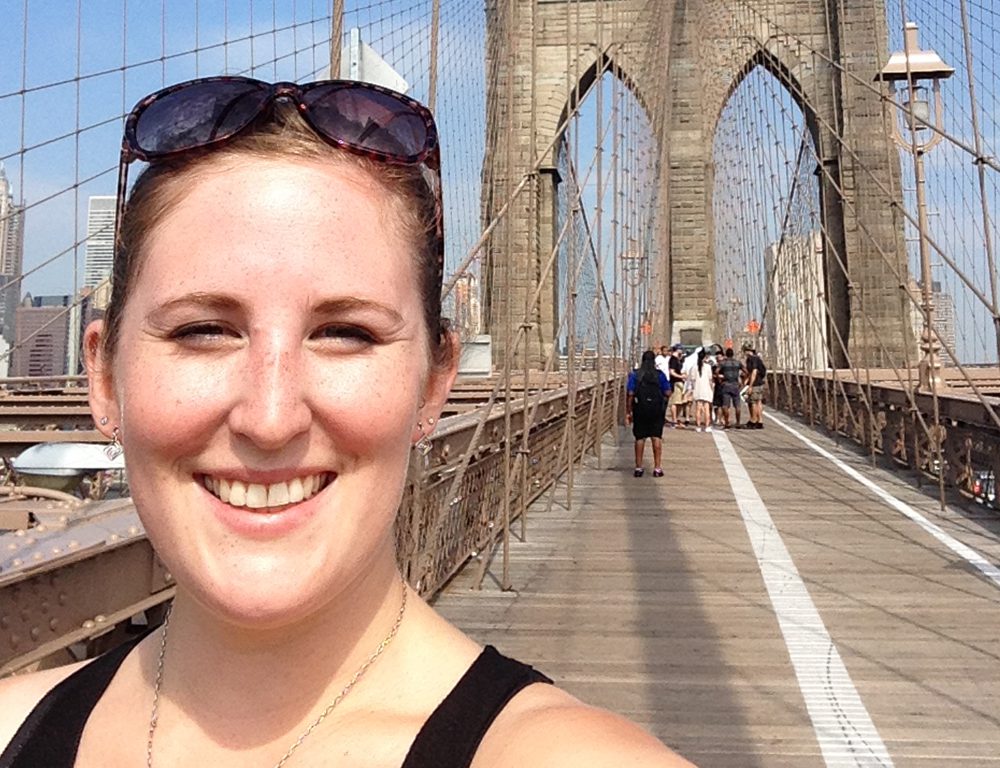
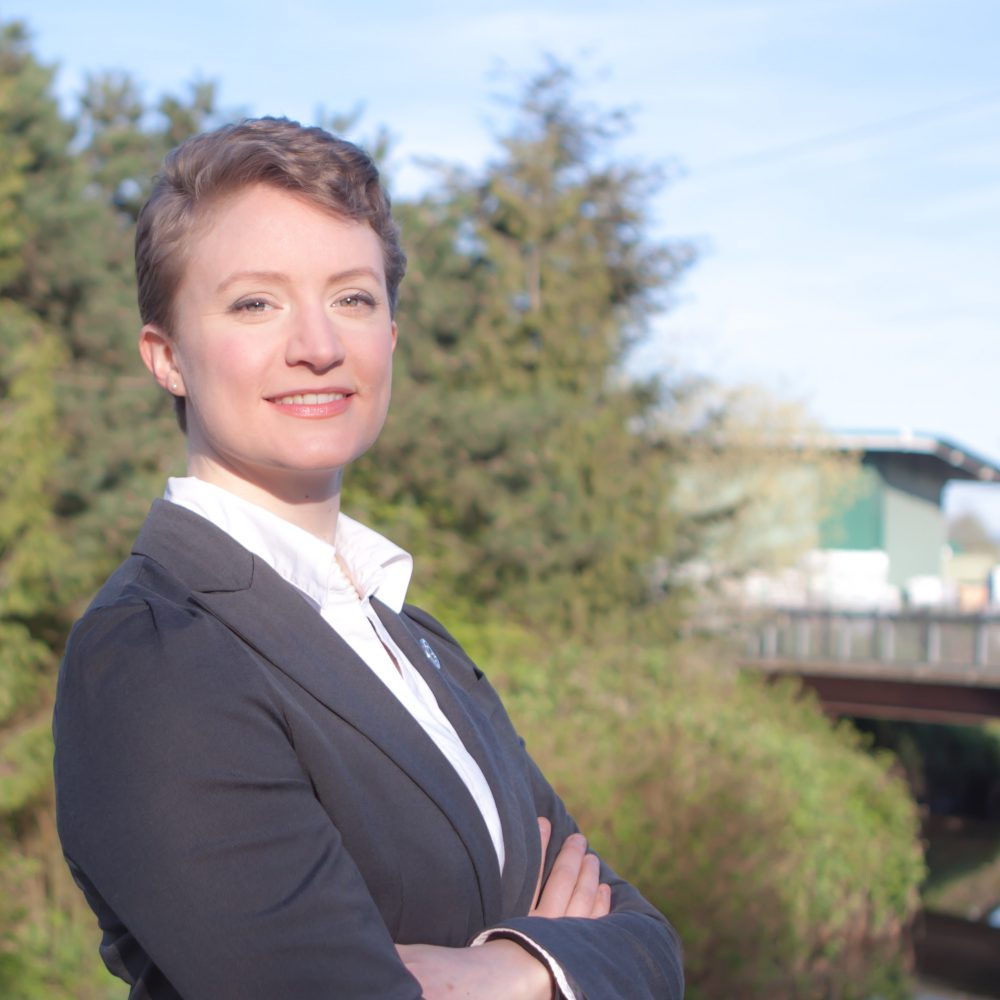
Photo of Siobhan RobinsonQ: What’s one thing you wish you knew about engineering back when you were in high school?

That engineering is all about helping people.  When I was younger I was dead set on being a doctor because I wanted to help people live healthier, happier lives. I decided to enroll in chemical engineering and complete it with a biology minor to get most of the medical school pre-requisites out of the way. I also wanted a degree that would open doors and I figured that double engineering and medicine degrees would be very powerful.

In my last year of my undergrad, I took a course on water and wastewater treatment and my whole perspective on engineering changed.  I found out that, historically, the most significant impacts to public health were connected not to advances in medical science, but to the disinfection of drinking water and installation of proper sanitation systems. This discovery helped me to connect my desire to help people live healthy lives with the engineering and problem solving that I had come to love through my undergraduate degree. I haven’t looked back!

Q: What’s your proudest accomplishment as an engineer?

This one is tough. I remember feeling very proud when I was chosen to travel to northern BC to talk to students about engineering, to expose them to the work that we do and talk about how engineering is all about helping people.  I had only been working for a couple of years and I felt like I was being chosen to be an ambassador for the profession. I thoroughly enjoyed the experience and have continued to look for opportunities to interact with kids and show them the wonderful world of engineering. My other proudest moment was when I received my professional designation and joined the ranks of the incredible engineers who have paved the way for all who follow… pun intended :).

Q: Tell me about a time in your career when your work has been about discovery or curiosity?

I work as a consultant which gives me lots of opportunities to work in teams with smart people with different areas of expertise to solve difficult problems.  One project where my work has been about discovery or curiosity is a corrosion project for the Resort Municipality of Whistler (RMoW). The RMoW has many different water sources and historically has seen evidence of internal corrosion across their system (i.e. green staining of faucets, pinhole leaks in domestic piping and leakage in particular areas of the distribution system). They hired us to work with them to figure out how this corrosion might impact the lifespan of their pipe in the ground and identify the best way to manage any corrosion that is occurring.

To start, we had to determine how corrosive the water actually was, then figure out the best way to manage it. In doing our background research we found out that not only is there no standard way to determine if source water is corrosive, but also that there is a lot of disagreement in the scientific community about how corrosive water actually degrades the pipes from the inside out (particularly with copper corrosion typically associated with green staining). We did some baseline testing and found that the water is very aggressive to steel, but copper samples installed in the system were not degraded rapidly. We’re very curious about what is happening on the surface of the materials and are currently partnering with the University of British Columbia to discover what is actually happening at to the surface at the molecular level and determine how this will impact the lifespan of RMoW’s infrastructure.

Q: Do you feel your work contributes to society? How so?

Absolutely! My work focuses on water and wastewater infrastructure which I feel is the foundation for healthy communities… I might be a little bit biased here.

Q: Why do we need more female engineers?

I think that teams benefit from the diversity of not only gender, but also practice area, race, and age because this diversity brings many different perspectives to the table. These varying perspectives allow us to be more creative and innovative in the way that we solve problems. With these differing opinions, approaches and perspectives it’s not always easy to agree on a solution, but when we do, the solution is usually a much better one. One other strength I see with my female peers is that we are often excellent integrative, systems thinkers who are good at seeing the big picture and using this perspective to figure out how to organize and break down difficult problems.

Q: Is there a person who influenced your decision to become an engineer?

Yes, I was definitely influenced by two strong women in my life. My Aunt who is a civil engineer/lawyer who works as a patent and trademark agent and my sister who started chemical engineering two years ahead of me then went on to do her PhD in biomedical engineering.

Q: How did it feel to be listed as one of Canada’s Most Powerful Women in 2015?

Surreal! It is humbling to be part of a group of such incredible women. This network has inspired me to dream big and to believe that I can accomplish anything that I set my mind to.
Filed Under: engHEROES

Diana Opsina

by wemadeit

Diana Opsina

Q&A WITH engHERO: Diana Opsina

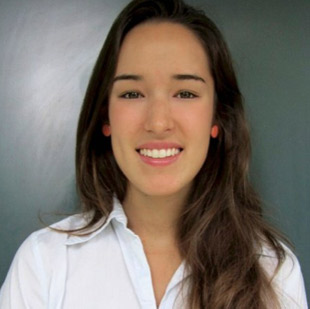
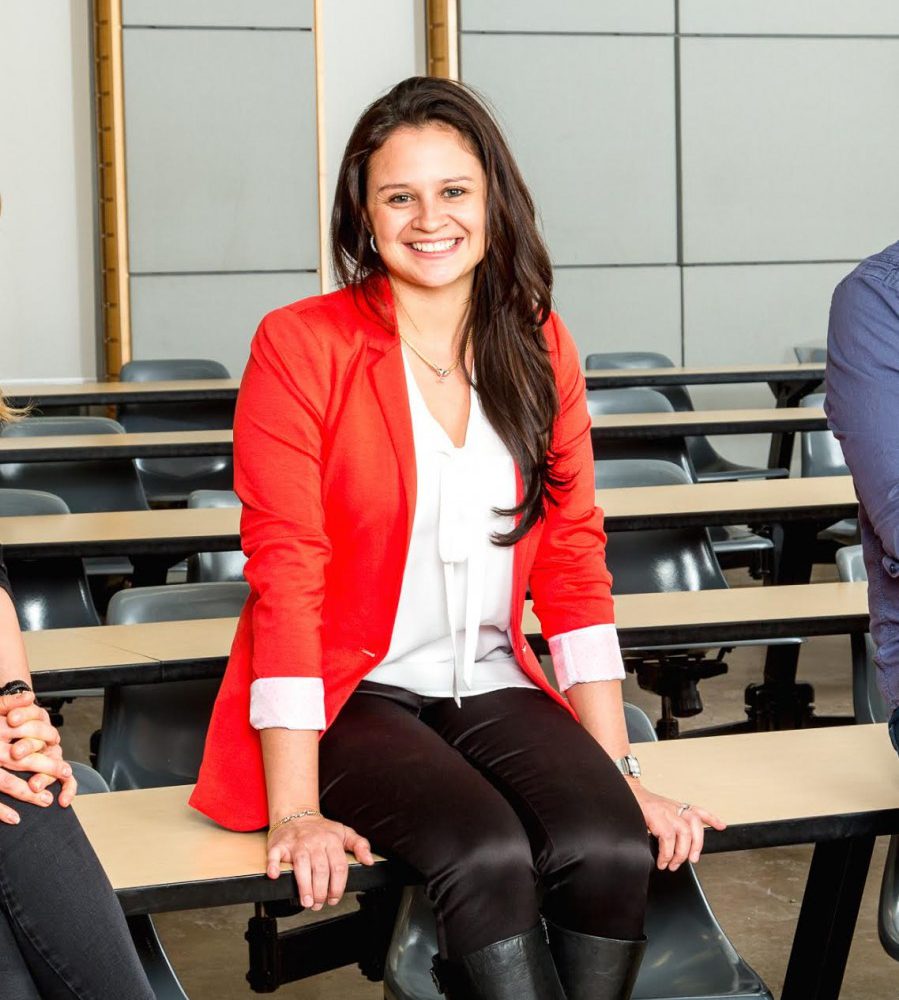
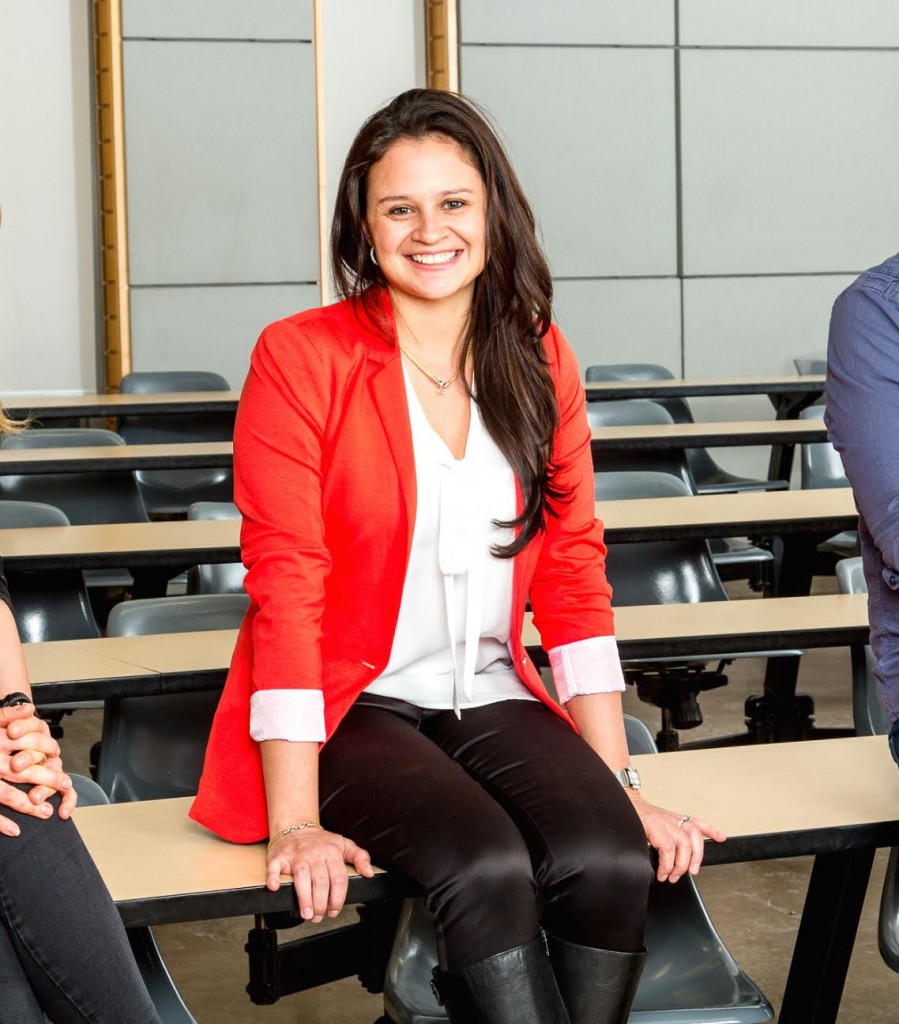
Photo of Diana Ospina in classroom
Q: What’s one thing you wish you knew about engineering back when you were in high school?

I wish I knew how much I’d like engineering! Once you get used to the learning pace, as an engineering student you are able to solve problems and think critically about the world that surrounds us. You grow and adapt to understanding concepts that build the technology that we use every day, and make up the fabric of society, as we know it. That motivates me to continue to learn more!

Q: What’s your proudest accomplishment as an engineer?

As an engineering student at Ryerson University, I had access to Entrepreneurial Zones and mentors that motivate and guide students to turn an idea into a start-up. My proudest accomplishment was learning how to think like an entrepreneur. I won two Norm Esch Awards which taught me how to define the profitability and viability of an idea through market research analysis, how to develop a business plan, and how to find resources and mentors that can be very helpful in creating a start-up.

Q: Tell me about a time in your career when your work has been about discovery or curiosity?

In order to graduate from most engineering programs, students are required to complete an Engineering Design Project. For my team’s project, we decided to explore the theory of Wireless Power Transfer. We have built a working prototype transmitting power at the resonant frequency of 13.56MHz. All the subcomponents are working individually, the next step is to have the system working with all subcomponents connected together. We are close! This is a block diagram of all the sub-circuits we learned about in our undergraduate degree, and now we get to implement them into our capstone project.

Q: What are you doing these days?

Right now I’m in the last semester of my undergraduate degree, and most of my free time goes to working on my Engineering Design Project!

Q: Do you feel your work contributes to society? How so?

Engineers are equipped with the resources, knowledge and techniques to come up with solutions that can benefit society from any number of perspectives. A skill as elemental as programming, allowed me to program a web app solution that can contribute to a movement in Ontario, which is focused on an environmentally friendly approach to generating and using energy. The web app, for which I won both stages of the Norman Esch Awards, is being designed to inform home-owners on the savings generated when installing solar panels in their homes. The more home-owners that generate power with solar panels, the more green energy gets distributed in the smart grid, ultimately reducing levels of greenhouse gas emissions. Hopefully, that’s the direction that we’re headed in as a society.

Q: Why do we need more female engineers?

As a female engineering student in electrical engineering, where the average ratio of females to males is 1 to 10, I feel that women should become more active and involved in computer and electrical engineering.  I feel very comfortable in a class of 150 students where only 15 are female students, I don’t feel a difference when talking to anyone of my peers, but it would be interesting to see more women taking advantage of the amazing opportunities that come with being an electrical engineer… like designing microsystems and becoming part of the silicon movement in microelectronics, or being part of a team that builds robots for outer space, such as the Canadian Arm. It’s a big deal. Anyone can make a greater impact on the solutions we need for a better tomorrow.

Q: When you were becoming an engineer, were you nervous and stressed out about all the math and science? What made you push through and become an engineer? Were you sure that you wanted to become an engineer when you were in gr12?

Engineering was always interesting, and somehow designing was too. I first got a diploma in graphic design, and later started my undergraduate degree in electrical engineering. It was a great experience to do both. Graphic design is demanding, but I felt like engineering is a lifetime profession, one in which you can never get to know everything about, because there is always more to know and explore and research. Understanding the math and science behind it may take some time, but it is so rewarding to build on those concepts. Being patient in learning the basics will make it a richer experience, I promise!

Q: Do you have any hobbies/passions that give you a unique perspective in engineering

I have a diploma in graphic design, which is completely different from the engineering and scientific mindset. Having a diploma that required me to be creative and artistic allows me to sometimes push the boundaries, that as engineers we are taught to follow. I am often involved in volunteering where marketing and digital design skills are needed, so I continue to find ways to be creative.

Q: Tell us about your Norman Esch Engineering Innovation and Entrepreneurship Award idea, and what motivated you to get started?

The Norman Esch Award was a work in collaboration with an expert in the solar energy industry. The idea surfaced, as so many home-owners who are not aware of how solar technology works, want to be informed. The web application would make it easy for individuals to know the energy savings that can be generated when installing solar technology. The plan is for home-owners to calculate the energy they are currently using and the savings they would realize by installing solar panels.

Filed Under: engHEROES, engSPIRATIONAL

Elaine Samuel

by wemadeit

Elaine Samuel

Q&A WITH ENGHero: Elaine Samuel

Elaine is completing her Master’s at Western University and is looking for opportunities to become an Engineer in Training with an environmental engineering consulting firm.

Q: What’s one thing you wish you knew about engineering back when you were in high school?

I wish I knew that there was a lot more to engineering than just math and science! I really like those aspects, but I didn’t realize how important teamwork and communication skills would be. I really enjoy working with other engineers and scientists to create new solutions to problems. The other thing I wish I knew was how interesting and relevant coding (computer programming) would be for all areas of engineering!

Q: What’s your proudest accomplishment as an engineer?

My proudest accomplishment so far would be my Final Design Project in Fourth Year of my undergraduate degree. My group was responsible for designing a school in rural Guatemala under a strict budget of only $25,000. We worked with the Canadian NGO that was fundraising for the school to make sure it would suit the needs of the community. The school was built in 2014.

Q: Tell me about a time in your career when your work has been about discovery or curiosity?

All of my work as a graduate research student has been about discovery and curiosity. I am investigating how climate change in Africa will affect agriculture and I am using a computer model to run simulations. Conducting research is all about asking things like “what is causing these results?” and “how can this process be improved?”

Q: What are you doing these days?

I am finishing up my Master’s and looking for opportunities to become an Engineer in Training with an environmental engineering consulting firm.

Q: Do you feel your work contributes to society? How so?

I definitely feel like my work contributes to society! Environmental engineers design systems that directly impact the environments we live in. My Master's research has produced results I can share with the World Agroforestry Centre which they can use to guide their policies on food security in Tanzania.

Q: Why do we need more female engineers?

More female engineers will contribute to a more diverse engineering culture and bring new perspectives and ideas to engineering problems.

Q: When you were becoming an engineer, were you nervous and stressed out about all the math and science? What made you push through and become an engineer? Were you sure that you wanted to become an engineer when you were in gr12?

I have combined my passion for international development with my problem-solving skills from engineering to approach global issues both in an outside of school. I am an active member of the Engineers Without Borders chapter at Western University. My interest in international development topics has changed the way I think about engineering; engineering is not just designing new technologies, it’s also thinking about how humans and society can positively interact with technology to improve their lives.

Filed Under: engHEROES

Mikhaela Meznaric

by admin

Mikhaela Meznaric

Q&A WITH engHERO: Mikhaela MeznaricMikhaela-Meznaric

Q: What’s one thing you wish you knew about engineering back when you were in high school?

That there are types of engineering like biomedical engineering and mechanical engineering. Not everything in engineering was about design and architecture. Also knowing which university specialized in the specialized engineering program. Taking co-op in high school would have really helped to know how a life is like for an engineer.

Q: What’s your proudest accomplishment as an engineer?

Successfully being both an engineer and a political science student because they are two different worlds and seeing the connection and discovering my passion in both really amused me. For example, water treatment project experience from both political science and engineering was involved and these two really impacted society.

Q: Tell me about a time in your career when your work has been about discovery or curiosity?

My second degree. Her curiosity in the engineering interest in tech designing by extending that skill on helping people and providing them with clean water.

Q: What are you doing these days?

Currently an administrative assistant at the University of British Columbia and looking for a job for her degree, water resources. She has done engineering degree and EIT after. She first started doing civil engineering. After she finished her degree she wanted to do something with green energy which brought her into water intersection which requires both tech and energy as her passion.

Q: Do you feel your work contributes to society? How so?

She hopes her job will contribute to society by providing clean water for Canadians. She believes that Canadians extract natural resources because we depend on it and we should clean our water without polluting it. She wants to be part of the process of cleaning the water.

Q: Why do we need more female engineers?

She believes that we more females because many females are as interested in technology as males are and they have another perspective that will develop the engineering world. Both male and female use thing made by engineers. So it is very important that female engineers being another perspective so they we provide good things to the society.

Q: When you were becoming an engineer, were you nervous and stressed out about all the math and science? What made you push through and become an engineer? Were you sure that you wanted to become an engineer when you were in gr12?

She wasn’t as nervous because both math and sciences were her strongest subjects in high school. She interest in technologies made her push through to become engineering. She wasn’t fully sure to become an engineer but with a help and encouragement of her two friends she made it through.

Filed Under: engHEROES Tagged With: change agent, civil, green, passion

Tina Traini

by admin

Tina Traini

Q&A WITH EngHERO: Tina Traini

Tina Traini is the Director, IT Systems and Solutions at Right To Play. Right To Play is a global organization that uses the transformative power of play – playing sports, playing games – to educate and empower children facing adversity.Tina Traini

Q: What’s one thing you wish you knew about engineering back when you were in high school?

I knew that an engineering education would be hard and rewarding but I didn’t realize that it would teach me how to learn and solve problems in a way that would be applicable to any field/challenge in life.

Q: What’s your proudest accomplishment as an engineer?

Outside of school, it would be hard to pick. I’ve done some pretty cool things with different clients all over the world. These were always a team effort so it’s easy to be proud of what you and your team have accomplished when the task seems complex and daunting and in the end, you have a satisfied client. During school, I worked with a few classmates to start a musical show entirely created and executed by engineering students. To work together with my peers to pull of something so creative was absolutely fantastic. The McMaster Engineers still put on the show every year. It makes me pretty proud.

Q: Tell me about a time in your career when your work has been about discovery or curiosity?

In 2007 I decided to participate in a program my company had to offer consulting services to charity groups and spent time working for Plan International. I was fascinated to see how the skills and experience I had in IT could be useful in the not for profit world. It was a very rewarding experience that ultimately led me to where I am now.

Q: What are you doing these days?

Right now I am working as the Director, IT Systems and Solutions at Right To Play. Right To Play is a global organization that uses the transformative power of play – playing sports, playing games – to educate and empower children facing adversity. My team and I manage IT operations for 7 donor and 20 field offices around the world and coordinate all new solution development to support our work.

During school, I worked the summers at a microelectronics company doing R&D and new business development. When I finished school I had no idea what was next but met an alumnus at a career fair who convinced me to look at consulting as a career. I was hooked and I went straight into technology consulting with a global firm weeks after graduation. I spent nearly 14 years there working in all kinds of industries solving client challenges. I don’t think I had any idea where I was headed when I started this journey but have been very fortunate with the opportunities I have made/found along the way.

Q: Do you feel your work contributes to society? How so?

Absolutely! At Right To Play, my work enables our program delivery that impacts the lives of over one million children around the world (and even in Canada and the US). My team is responsible for making sure that Right To Play employees can collaborate and connect and that the systems, processes and policies they need are in place and well supported.

Q: Why do we need more female engineers?

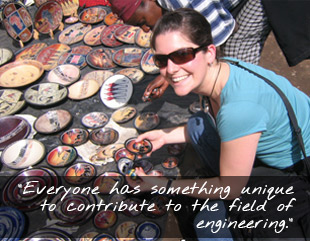
Everyone has something unique to contribute to the field of engineering. The more diverse and inclusive the field can be the more creative and visionary. This includes making sure that women occupy many seats at the table.

– – – – – – – – – – – – – – – – – – – – – – – – – – – – – – – – – – – – – – – – – – – – – –Check out Right to Play

Filed Under: engHEROES Tagged With: adversity, busy, director, empowering, innovation, inspirational, play, unique

Pegah Garousi

by admin

Pegah Garousi

Q&A WITH EngHERO: Pegah Garousi

Pegah is a Technical Consultant at CiRBA Inc. She provides consulting services for capacity management of data centres including architecture and design, installation and configuration of software in enterprise environments and provides training to customers across the world.

Q: What’s one thing you wish you knew about engineering back when you were in high school?

In high school, I knew that engineering wouldn’t be easy but I didn’t know how much work and hours I had to put in for my studies. I had to completely change my studying techniques from the way I studied in high school in order to find the best and most efficient way of studying.

Q: What’s your proudest accomplishment as an engineer?

My proudest accomplishment as an engineer would be working on complex projects and being recognized for the work that I’ve done while being one of a few females. This always been a great accomplishment and it has greatly encouraged me to work even harder.

Q: Tell me about a time in your career when your work has been about discovery or curiosity?

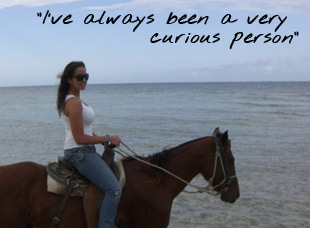
I have always been a very curious person who always wants to make sure I have an in-depth understanding of how things are done and why. A few times, my curiosity has made me discover issues that no one else has discovered before and I was able to provide a solution that exceeded the one already in place.

Q: What are you doing these days?

I am a Technical Consultant at CiRBA Inc. I provide consulting services for the capacity management of data centres including architecture and design, installation and configuration of software in enterprise environments, integration, customization, operation of analyses and deliver training to customers across the world.

I studied Software Engineering at the University of Ottawa, which gave me a solid background on the life cycle of software development (requirement gathering, architecture and design, implementation, testing, deployment and support).

During my second to third year of university, I worked part-time as a Quality Assurance Analyst and changed to a Software Developer position in my last year of university. After graduation, I was interested in project management but having just graduated, I needed more experience before entering that role. And so I became a Systems Engineer, which entailed designing and managing complex engineering projects over their life cycles. Having this experience made me realize that I enjoyed solving technical problems than managing projects and so I have decided to continue my career in that.

Q: Do you feel your work contributes to society? How so?

Society today is being so technology driven, working in IT contributes a lot to the society. My work helps many of the Global 3000 companies who use CiRBA software to create leaner and more reliable data centres. With our professional services, we provide specialist advice to help reduce costs and allow them to be more efficient as well as allowing them to achieve any other business requirements by providing custom solutions.

Q: Why do we need more female engineers?

I think it’s a very common mistake that engineering is solely for men. There are currently more men than women in engineering but this doesn’t mean that it’s more difficult for women to be successful. There were about 12-15 females in different subjects of engineering in my year and we were all considered top of our classes.

I’m glad I picked engineering as I realized how interesting it was. It helps you to understand how anything around you works and it allows you to eventually be the engineer who creates one of those things.

Q: Do you think it is important for women to be involved in engineering? Or do you think having more males is sufficient and that it doesn’t really make a difference whether there are more women or not?

I believe that more women should be involved in engineering and that the male-driven stereotype should be broken. There are so much that women can contribute. Studies have proven that women are better at multitasking (which is something that is very important in a work environment). So many distractions could potentially impact the quality of your work. Women are more organized, even under pressure. During a study, they have observed that women spend more time thinking at the beginning whereas men tend to have impulses to jump in way too quickly.

In conclusion, being able to multitask effectively and think things through from the beginning are skills that women have which will give them the advantage over men. Women will not waste any time and/or money at a later stage in the project.

Filed Under: engHEROES Tagged With: Global, helpful, information, intelligent, leader, productive, responsible, Technology

« Previous Page
Next Page »

Primary Sidebar

Categories

  • #shareABLE (70)
  • #surveySAYS (8)
  • engHEROES (50)
  • Engineering Disciplines (35)
  • engSPIRATIONAL (59)
  • Getting There (17)
  • Grade 11 (4)
  • Health (3)
  • Journeys (20)
  • Listen Up (5)
  • listenUp! (2)
  • More2Life (7)
  • Our Favourite Articles (2)
  • Press (3)
  • Recipes (2)
  • Reviews (5)
  • TED talk (17)
  • TheFieldTrip (5)
  • Uncategorized (4)
  • weTHINK (15)

Teacher Login

Register | Lost your password?

Sign Up To Our Newsletter

Footer

Menu

  • About WEMADEIT
    • Donor
    • Partners
      • Toronto Metropolitan University
      • Ontario Tech University
      • University of Waterloo
      • Western University
  • For Students
    • Blog
    • Getting There
      • Engineering Disciplines
      • Student Life
      • Where Can I Study?
      • What You Don’t Know About Engineering
      • ENG BLING
    • Black Students
    • Indigenous Students
    • 2SLGBTQIA+ Students
    • Women and Girls
  • For Parents
    • Where Can You Study Engineering?
    • What is Engineering?
  • For Undergrads
    • Gaining work experience
    • Peer Mentorship
    • One Awards
    • Next Generation in Power
    • New Grad Program
  • For Teachers
    • Teacher Resources
  • Getting Involved
  • Contact Us
    • Newsletter Signup

Search

Teacher Login

Register | Lost your password?

  • Facebook
  • Instagram
  • Twitter

© 2026 · WEMADEIT | Site Design by rtraction