• Skip to primary navigation
  • Skip to content
  • Skip to primary sidebar
  • Skip to footer

We Made a Difference. We Made it Together. WEMADEIT.

  • About WEMADEIT
    • Donor
    • Partners
      • Toronto Metropolitan University
      • Ontario Tech University
      • University of Waterloo
      • Western University
  • For Students
    • Blog
    • Getting There
      • Engineering Disciplines
      • Student Life
      • Where Can I Study?
      • What You Don’t Know About Engineering
      • ENG BLING
    • Black Students
    • Indigenous Students
    • 2SLGBTQIA+ Students
    • Women and Girls
  • For Parents
    • Where Can You Study Engineering?
    • What is Engineering?
  • For Undergrads
    • Gaining work experience
    • Peer Mentorship
    • One Awards
    • Next Generation in Power
    • New Grad Program
  • For Teachers
    • Teacher Resources
  • Getting Involved
  • Contact Us
    • Newsletter Signup

engSPIRATIONAL

No more of this cheesy “inspirational quote of the day” business. These women and ideas are the real deal. We dare you to not be inspired by them (it’s impossible).

Giada Gerboni: The incredible potential of flexible, soft robots

by wemadeit

Giada Gerboni: The incredible potential of flexible, soft robots

Ever heard of “soft robotics”? Neither had we! Check out biomedical engineer Giada Gerboni discussing how soft robotics play a critical role in surgery, medicine and our daily lives.

When we think of robots, we often think of devices that have been human-built for speed and precision but what about their flexibility? Giada Gerboni currently works at the Department of Mechanical Engineering, Stanford University. Giada researches the design of medical devices and robotics surgery and discusses how soft robotics have the potential to play a critical role in our livesGiada Gerboni on the TED Talk stage


Filed Under: TED talk

Q&A WITH ENGHERO: Caroline Via

by wemadeit

Q&A WITH ENGHERO:  Caroline Via

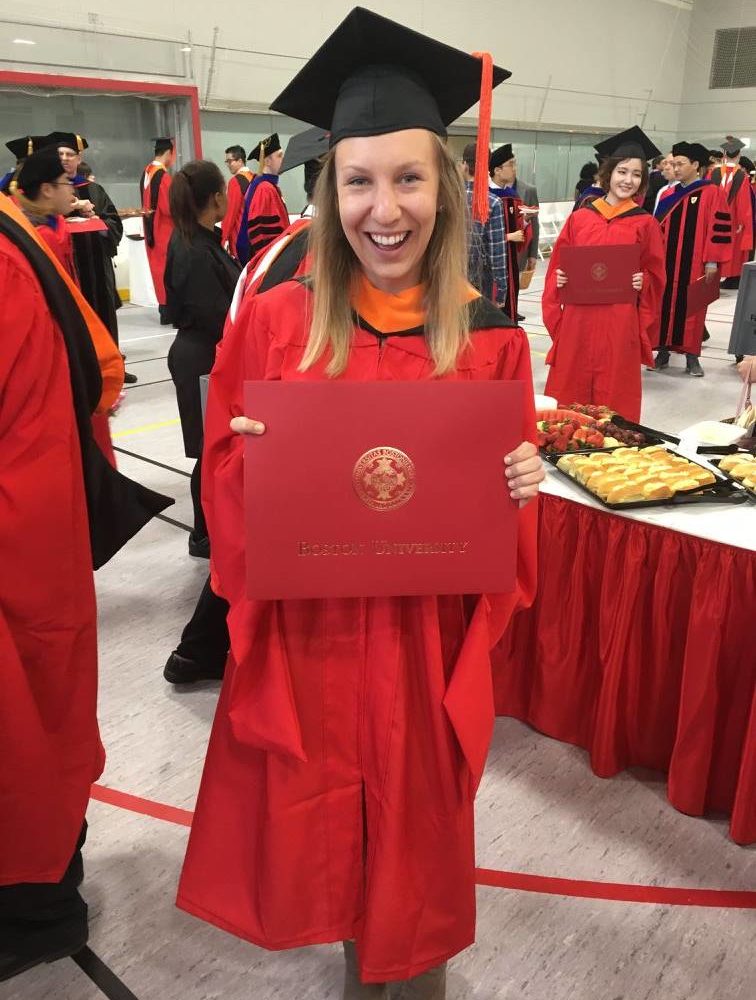
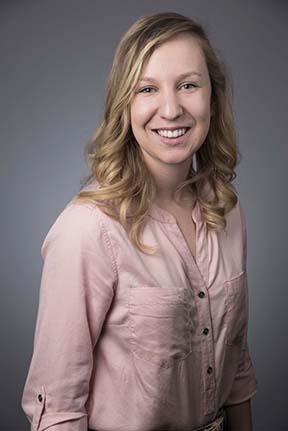
Caroline Via is an engineer working in the medical device industry. Her work can actually save lives! Carloine was undecided in high school, but fortunately, found her way to Queen’s where they have a common first year.  I got to try out a little bit of each engineering discipline before I had to choose one. She believes “We need new perspectives on old problems and new perspectives on new problems.” 

1. What’s one thing you wish you knew about engineering back when you were in high school?

I wish that I knew that it’s not all math or science. There is actually a ton of teamwork, communication, and problem-solving involved, and it is quite a social profession. Most of my time is spent brainstorming, planning, writing, researching, etc. The math and science are just one aspect, and the rest is quite inventive.

2. What’s your proudest accomplishment as an engineer?

Last year I received my Master’s of Biomedical Engineering from Boston University. It was definitely a highlight of my career, and I am very grateful to have completed my education in a city that I now call home!

3. Tell me about a time in your career when your work has been about discovery or curiosity?

My Master’s project involved being in an operating room with a surgeon for a semester.  We were to observe, ask questions, learn, and then come up with an idea for a medical device to improve. We didn’t have any medical experience, surgical experience, and the surgeons were told not to push us towards something that they wanted. It was a totally open-ended design process, and it sparked some really cool ideas – lots of discovery, curiosity, and creativity.  For me, it was a device that would potentially lower the complication rate of a fairly common surgery, without creating a high cost. It was amazing how much you can learn going into a new environment.

4. What are you doing these days?

I’m a Quality Engineer for Siemens Healthcare Diagnostics, Inc. in Boston. I’m currently working on a project to open a new manufacturing facility in Shanghai, China. I’m excited about it because it’s something that is quite different from what my Master’s was focused on, yet still in the medical world, and I love the diversity that engineering allows you.

5. Do you feel your work contributes to society? How so?

Absolutely! I’m in the medical device industry – our products literally save lives! Without engineers, there wouldn’t be advancements or innovations in the healthcare system. People rely on engineers to keep them alive, and that is a huge task.

6. Why do we need more female engineers?

We need new perspectives on old problems and new perspectives on new problems. 

My Master’s supervisor would quote Grace Hopper and say “The most dangerous phrase in the language is: it’s always been done that way”. It’s a quote meant to spark innovation, but I like to think it applies to diversity as well. Just because engineering is traditionally a male-dominated profession, it doesn’t mean it should stay that way!

7. Do you have any hobbies/passions that give you a unique perspective in engineering?

My hobbies don’t always inspire my perspective on engineering, but engineering has certainly shaped my hobbies. Skills that I’ve learned for work have found their way into my hobbies.

8. When you were becoming an engineer, were you nervous and stressed out about all the math and science? What made you push through and become an engineer? Were you sure that you wanted to become an engineer when you were in gr12?

I was very undecided in high school, but fortunately, I went to Queen’s where we have a common first year.  I got to try out a little bit of each engineering discipline before I had to choose one. 

I’m still not sure if I want to be an engineer forever, but the best part of engineering is that you learn how to solve multifaceted problems, and that can be applied almost anywhere.  Engineering is also a very diverse area, you can have tons of engineering jobs that are totally different from each other. Everything that I’ve learned throughout my engineering education is applicable to many other fields, and that is what I have taken from it the most.  

9. Tell us about a cool project you’ve worked on.

I worked on a non-invasive device for head stabilization during pediatric neurosurgery. Which is a long-winded way of saying I worked on making a special clamp to hold babies or kids heads in place during surgery. This was such an interesting project, and I really got test my skills in the real world. Impacting young kids lives is something that I never realized I could do, and now I have this project to remember whenever the going gets tough.

Filed Under: engHEROES, engSPIRATIONAL

Ololade Sanusi

by wemadeit

Ololade Sanusi

Q&A WITH engHERO: Ololade Sanusi

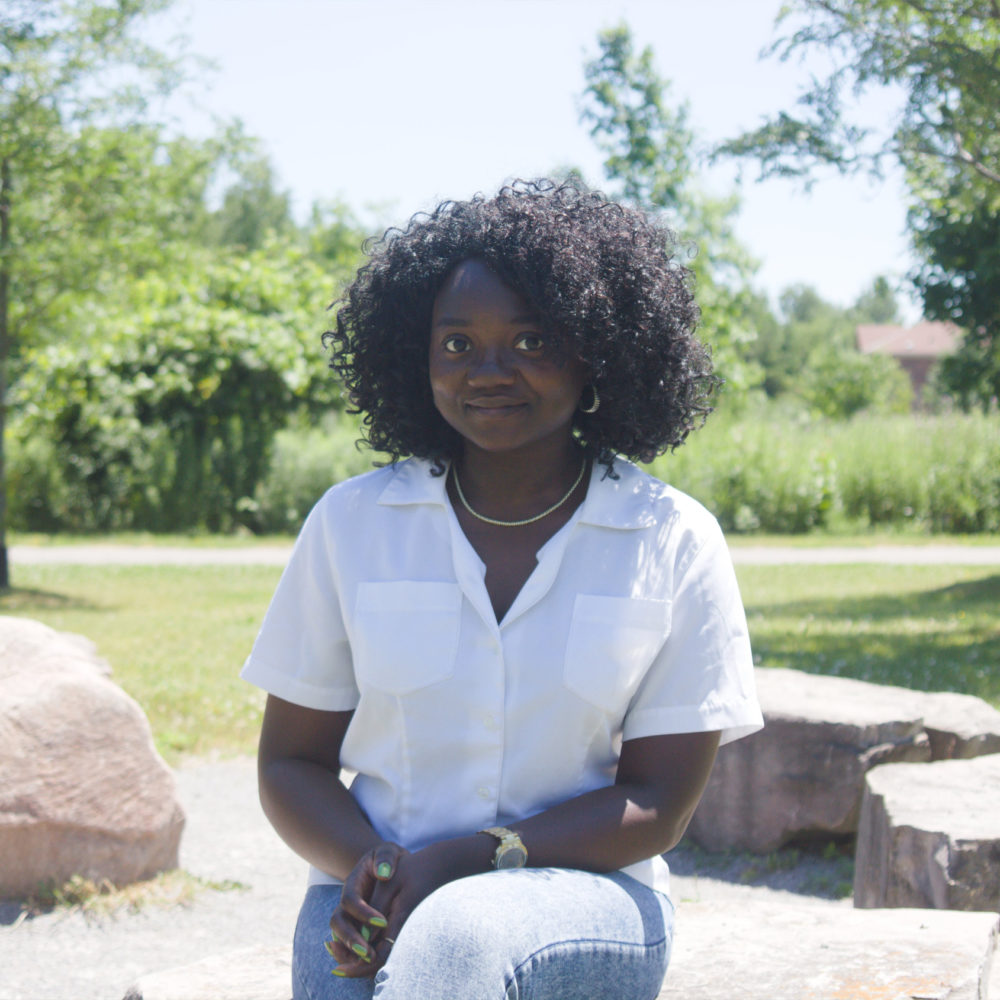
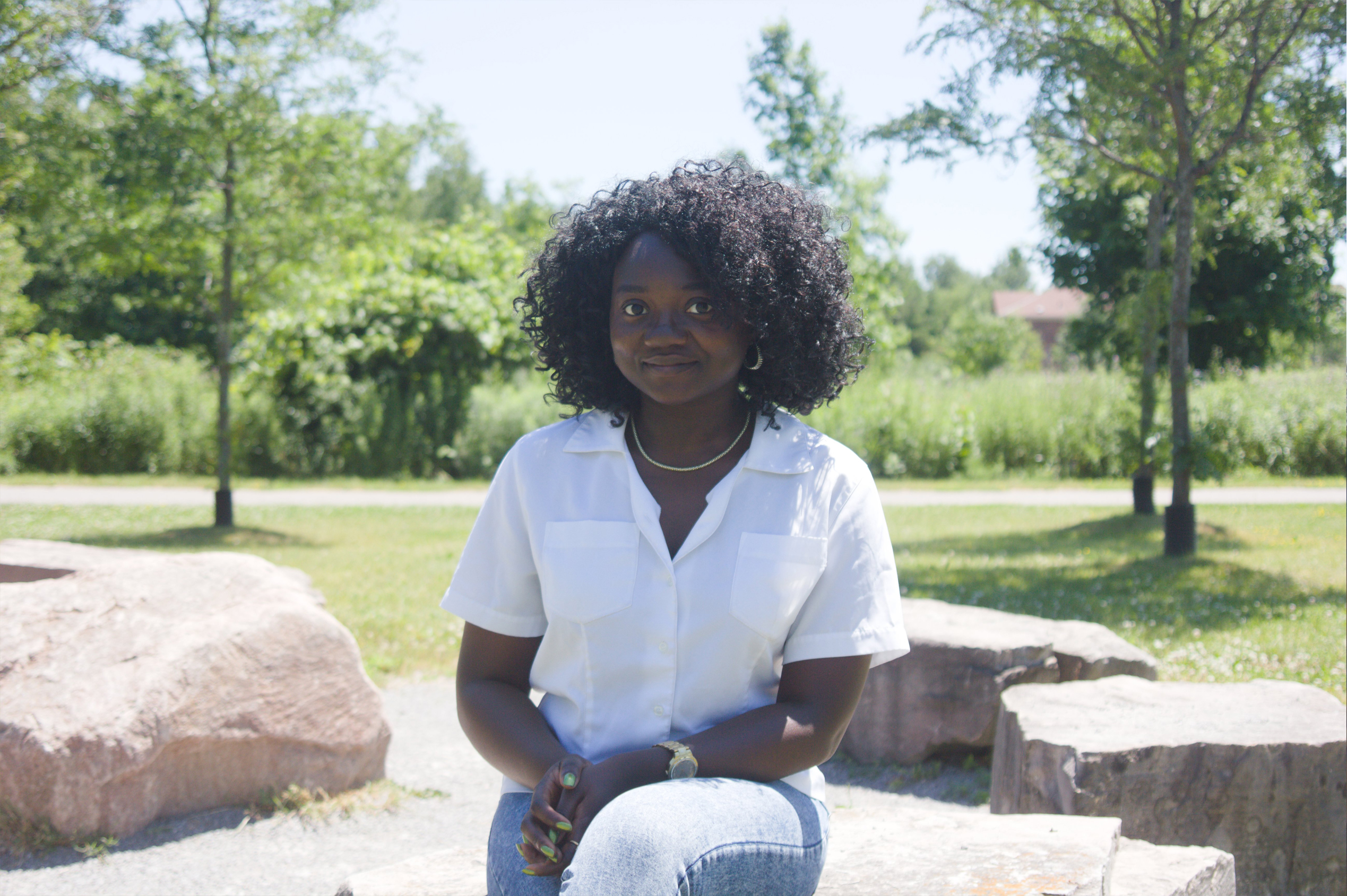
Ololade Sanusi is a current PhD candidate in Electrical Engineering at UOIT. She previously completed a Bachelor of Engineering in Aerospace Engineering from Carleton University and her area of research is in ‘Novel Antenna and Integration Technologies for Embedded Wireless Sensors”. Her biggest passion is to continue motivating and encouraging girls to venture and carve a niche for themselves in various branches of engineering.

What made you decide that you wanted to be an engineer?

It all started with being fascinated with the airplanes that flew past my house as a child. I always wondered about the persons that were part of the design and assembly of flying machines.

As I grew up, I began to observe more engineering feats. Engineers were part of designing skyscrapers, they were involved in medicine and the list goes on. When it was time to decide on what career to pick, engineering automatically became my choice.

Which branch of engineering is your major? How did you decide on that specialty?

I now major in Electrical Engineering at the University of Ontario Institute of Technology (UOIT), Radio Frequency and Microwave Engineering to be specific. I did not always know I would end up in this field, a series of events got me here. During my undergraduate degree (Aerospace Engineering), I enrolled in two courses that sparked my interest in antenna design and wireless communication. Engineering has come a long way.

For instance, many homes used rotary dial telephones for communication, now, we have thin stylish smartphones that can do more than just call and send messages. The world of electrical engineering has paved the way for smarter and faster devices with applications in telecommunications, medicine, defense and sensing.

What do you plan to do with your engineering degree?

Good question! I plan to work in the Research and Development industry and teach part-time, this way I can make a significant contribution to the advancement of adaptive antenna technology.
Although I don’t know what the future holds, I hope and strive to be a solution in whatever I partake in.

What advice would you give to someone who’s considering engineering but doesn’t know if it’s right for them?

I believe the image an average person has of an engineer is narrow. Engineering is vast and engineers can be found in different settings from Pixar Animation Studios to Bombardier Inc. So, I would start by asking a few questions:

Why did you consider engineering in the first place?

Have YOU done your research on engineering and its different branches?

Why do you think engineering might be wrong for you?

If you were to design something that would make your home (community, town or earth) more livable, what would it be?

If you have answers to all of these questions, I know you can determine whether or not engineering is right for you. My number one advice is to do YOUR research. Secondly, evaluate your strengths and weaknesses. And lastly, have a genuine reason for pursuing engineering, it doesn’t have to be groundbreaking.

In your opinion, how do you feel about the lack of women in engineering? What are some ways you have positively contributed to inspiring more women in engineering?

Firstly, I do not agree there is a lack of women in engineering. However, I would say women are underrepresented and this is sad.

During my undergraduate years, I experienced the issues gender gap creates for women in engineering. There were times of isolation and loneliness that sometimes prevented me from participating in activities. My experience is not unique. After chatting with various females, I realised many had notions that even prevented them from considering engineering as a career.

Nonetheless, the number of initiatives that promote and inspire more women in engineering is growing. I have been fortunate to be a part of some of these initiatives. In the year 2017, I was selected as a John Evans Champion by the Canadian Engineering Memorial Foundation. From award reception, I have been presenting to junior-high and high-school audiences in a bid to promote engineering as a career for women. I also serve as a mentor to undergraduate engineering students through the Women in Engineering Peer Mentorship program at UOIT. I find these experiences rewarding and eye-opening.

They give me opportunities to share my experiences – failures and successes – as a source of encouragement for women considering engineering and those in undergraduate programs.

What are you up to this summer?

This summer I have been focused on my research. I am working on the design of flexible antennas for wireless sensor applications. Apart from research, I am exploring Ontario and taking French classes at a local college.

Filed Under: engHEROES

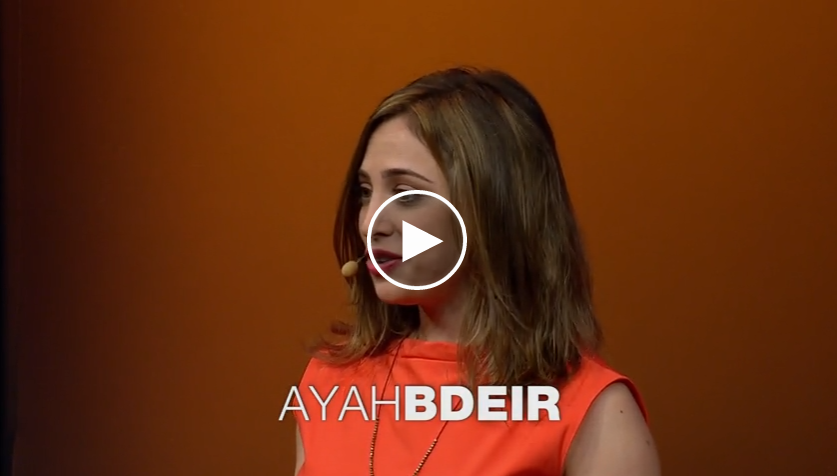
Ayah Bdeir: Building blocks that blink, beep and teach

by wemadeit

Ayah Bdeir: Building blocks that blink, beep and teach

Procrastinating? We’ve got just the thing! The YTT have pulled together a series of TED Talks that they LOVE. Grab some popcorn and get comfy, because you’re about to get seriously inspired by these amazing engineering projects.

Ayah Bdeir is an engineer and artists who developed littleBits – a toy that allows you to program and build electronic circuits! Ayah makes the comparison that what Lego is to concrete blocks, littleBits is to transistors. littleBits are still going strong today, with new generations of bits, interfaces with other programs like Minecraft, and an app with a community of builders.

Filed Under: TED talk

Sam Hazell

by wemadeit

Sam Hazell

Q&A WITH engHERO: Sam Hazell

Q: What’s one thing you wish you knew about engineering back when you were in high school?

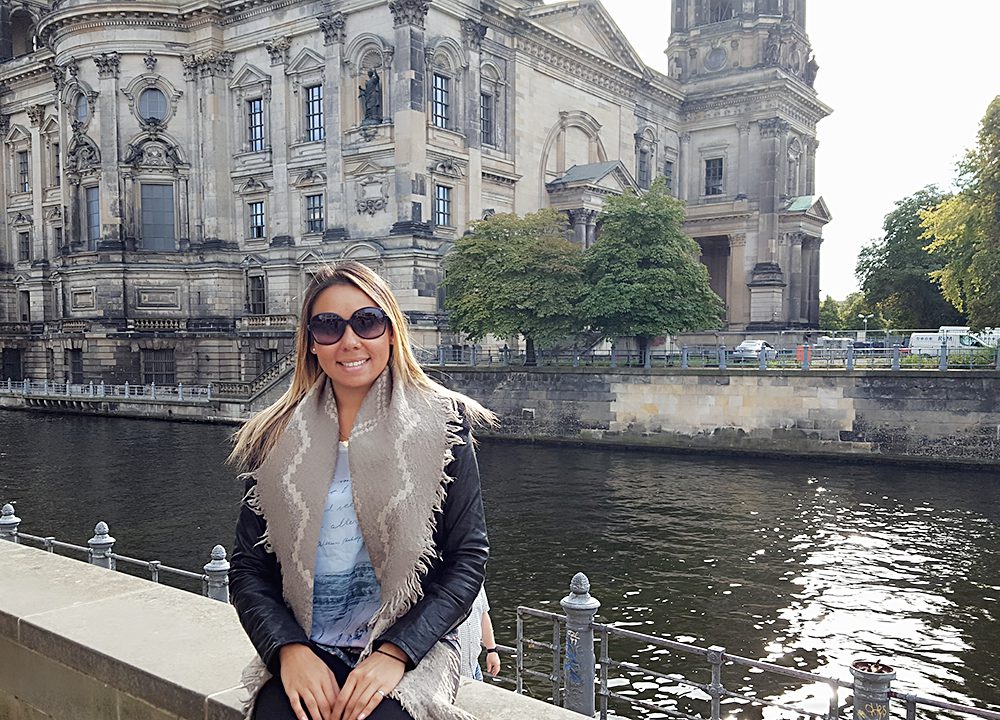
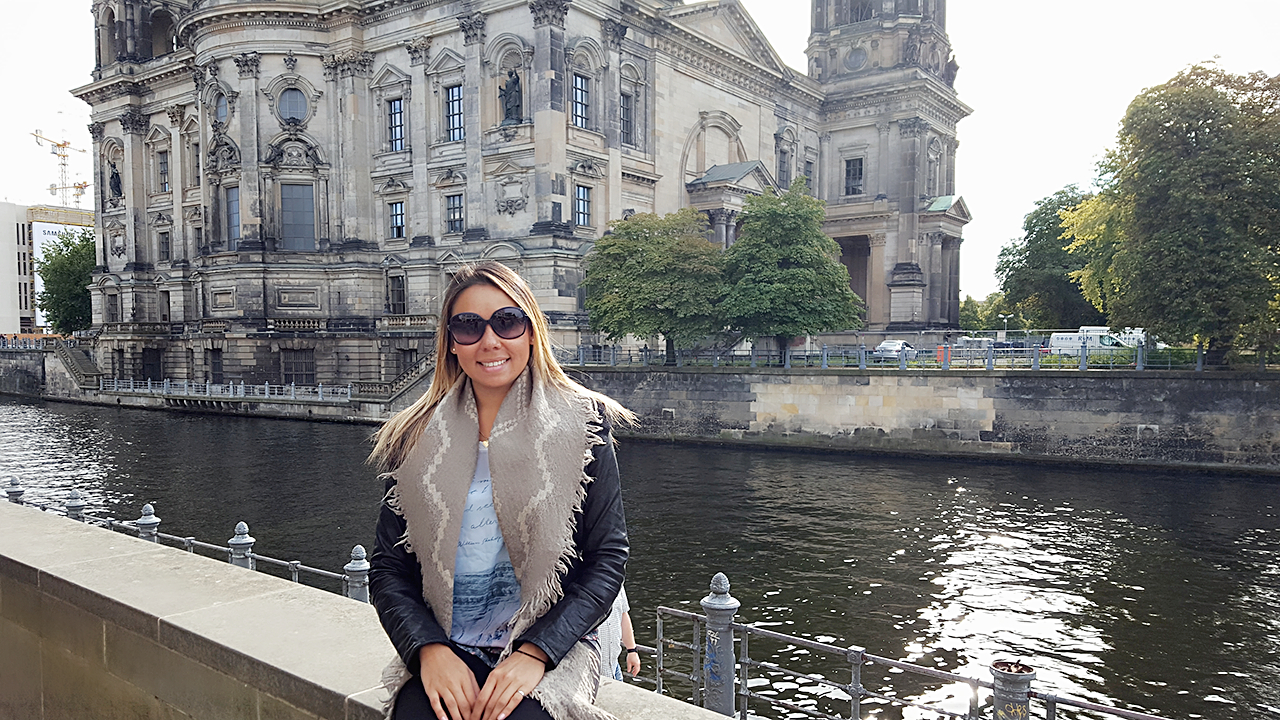
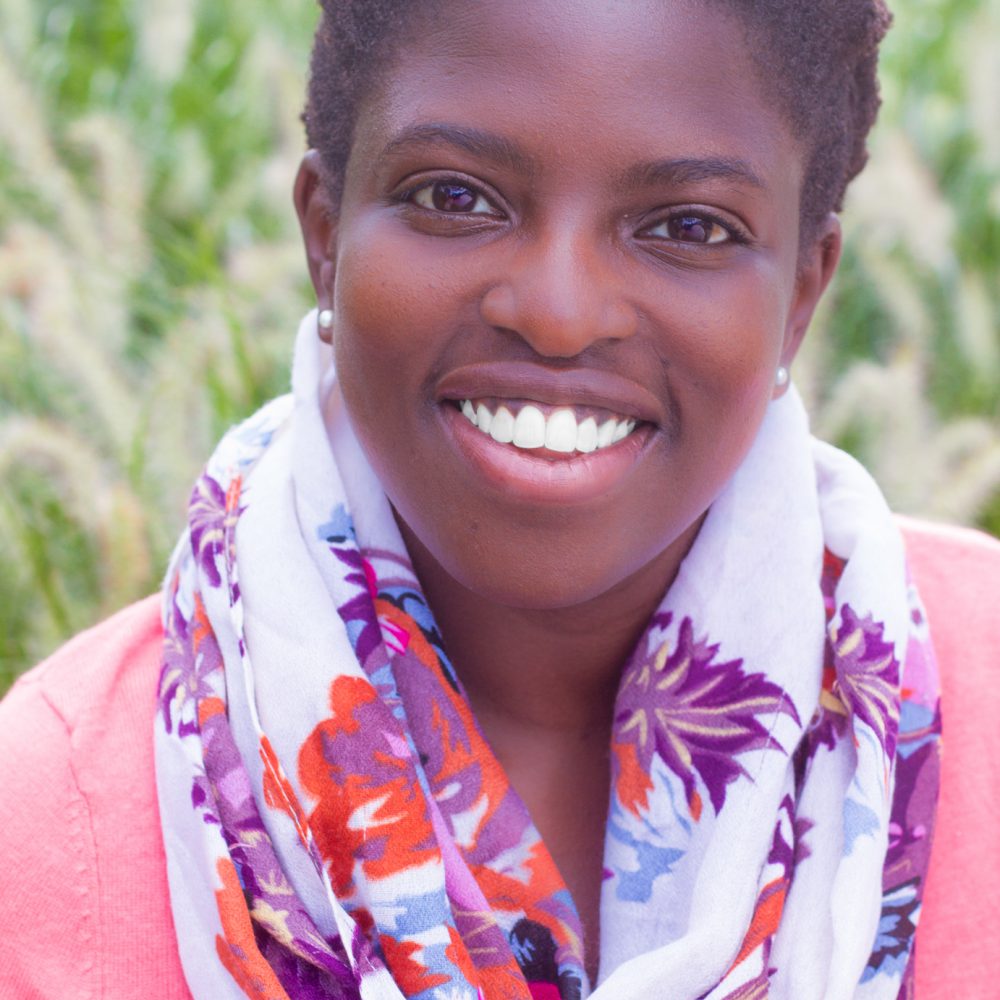
I actually started my post-secondary education in Business at York University before switching to Engineering at UOIT. When I was in high school there wasn’t a strong focus on encouraging females to pursuePhoto of Sam Hazell education and careers in STEM. I didn’t realize the opportunities that engineering could offer until I took a first-year intro to computer engineering course as an elective. After that semester I applied to Engineering at UOIT and the rest is history!
Q: What is your proudest accomplishment as an engineer?

Working to design a low-cost portable heart monitoring system to assist doctors in developed nations to diagnose and care for patients in developing countries as part of my Capstone at UOIT. For me, the opportunity to use my technical knowledge to help people is the most rewarding part of my engineering education.

Q: Tell me about a time in your career when your work has been about discovery or curiosity?

My first job after university was working on hybrid vehicle controls for GM. As part of the thermal diagnostics calibrations team, I was responsible for testing battery performance under different thermal conditions. From the Badlands in Death Valley, California to the mountains of Denver, Colorado I was constantly travelling to new places to conduct field tests. It was an amazing experience full of curious moments.

Q: Do you feel your work contributes to society? How so?

I think that everyone’s work contributes to society in one way or another. In my current role, I am working to help develop a strategy to reduce carbon emissions and promote environmental sustainability.

Q: Why do we need more female engineers?

Females bring a different perspective to engineering. Our emotional sensitivity and compassion help us approach problems in a unique way.

Q: Is there a person who influenced your decision to become an engineer?

My grandmother. She always encouraged me to make the world a better place. After seeing how much her life was affected by Parkinson’s disease I decided to become an engineer so that I could have the knowledge to develop technical solutions to world problems.

Filed Under: engHEROES

engHERO: Ada Barlatt

by wemadeit

engHERO: Ada Barlatt

What’s one thing you wish you knew about engineering back when you were in high school?

I wish I knew the breadth of engineering! There are so many opportunities and applications. The numerous branches of engineering means that it is really a foundation for anything. I wish I knew that engineering would teach me how to problem-solve, develop critical thinking skills and prepare myself for any future problems I encounter. If you had told me that engineering was a way of life, I would have been much more excited and confident to pursue this field right away.

What is your proudest accomplishment as an engineer?

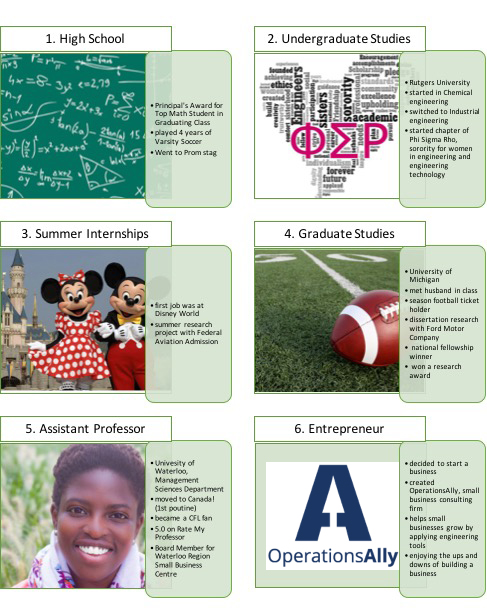
My proudest accomplishment to-date would have to be that I started my own business. I took the tools, techniques, concepts, experiences and technology from my engineering background and applied this as an operations consultant for small businesses. I now focus on making small companies’ lives more efficient and effective. I love that I can see the positive impact on my clients’ lives and businesses!

Tell me about a time in your career when your work has been about discovery or curiosity?

My actually career path has been about self-discovery and being curious about different opportunities. My move to Canada was a very big catalyst for my self-discovery – I decided to try the role of assistant professor. However after a few years, it became clear that I didn’t want to be in academia forever so I kept asking myself questions. What do I want to do? What skills should I explore? What new things do I want to learn? I knew engineering gave me the capacity to improve whatever area I was passionate about so I was open to trying new paths in my career.

What are you doing these days?

My business, OperationsAlly, helps small companies who are ready to grow, but are fully aware that the way they are running their business (e.g., the way that they are operating) won’t support the growth that they want.  Since I have a background in Industrial engineering, I am able to design (and implement) the personalized systems these businesses need to get the growth that they want.  Through my business, I get to play match-maker, curator and designer as I create tailored solutions to address each businesses’ specific needs.

Do you feel your work contributes to society? How so?

Yes I do! By definition, engineering contributes to society. For me, I can really see my impact and contributions both as an entrepreneur and with my previous jobs in larger organizations. My experiences with Walt Disney Parks showed me that I could have a big impact even as one person within a bigger organization. Now my impact is one business at a time. I see the value in both types of roles, but I prefer to have a direct impact on specific people – it feels more personal for me. Either way, engineering has been a great field for improving the aspects of society that I am passionate about!

Why do we need more female engineers?

We need to change the perception of engineering because I actually think that we are missing a lot of females in industry who are doing “engineering activities” without getting this label. I wish more women and girls knew about the breadth of engineering! We really need to focus on finding girls who are passionate about solving problems and harness this. We can do this by highlighting that engineering is a means of contributing to society and to fully explain what it really means to be engineer. It is important that we increase the awareness of females towards engineering so that they can make a conscious choice whether or not to pursue this field. They need to know what they are saying ‘no’ to.

What advice would you give someone interested in the field of engineering?

Talk to lots of people! Start-up conversations with different types of engineers and in different fields. I also recommend asking yourself “What in the world do I want to fix?” because you need passion in your career path. Engineering will help you problem-solve any aspect of society that you want to fix. It will also give you a foundation in hard work, perseverance and dedication. It opens up so many fantastic opportunities!

Image of Ada's journey

Filed Under: engHEROES, engSPIRATIONAL, Getting There

« Previous Page
Next Page »

Primary Sidebar

Categories

  • #shareABLE (70)
  • #surveySAYS (8)
  • engHEROES (50)
  • Engineering Disciplines (35)
  • engSPIRATIONAL (59)
  • Getting There (17)
  • Grade 11 (4)
  • Health (3)
  • Journeys (20)
  • Listen Up (5)
  • listenUp! (2)
  • More2Life (7)
  • Our Favourite Articles (2)
  • Press (3)
  • Recipes (2)
  • Reviews (5)
  • TED talk (17)
  • TheFieldTrip (5)
  • Uncategorized (4)
  • weTHINK (15)

Teacher Login

Register | Lost your password?

Sign Up To Our Newsletter

Footer

Menu

  • About WEMADEIT
    • Donor
    • Partners
      • Toronto Metropolitan University
      • Ontario Tech University
      • University of Waterloo
      • Western University
  • For Students
    • Blog
    • Getting There
      • Engineering Disciplines
      • Student Life
      • Where Can I Study?
      • What You Don’t Know About Engineering
      • ENG BLING
    • Black Students
    • Indigenous Students
    • 2SLGBTQIA+ Students
    • Women and Girls
  • For Parents
    • Where Can You Study Engineering?
    • What is Engineering?
  • For Undergrads
    • Gaining work experience
    • Peer Mentorship
    • One Awards
    • Next Generation in Power
    • New Grad Program
  • For Teachers
    • Teacher Resources
  • Getting Involved
  • Contact Us
    • Newsletter Signup

Search

Teacher Login

Register | Lost your password?

  • Facebook
  • Instagram
  • Twitter

© 2026 · WEMADEIT | Site Design by rtraction