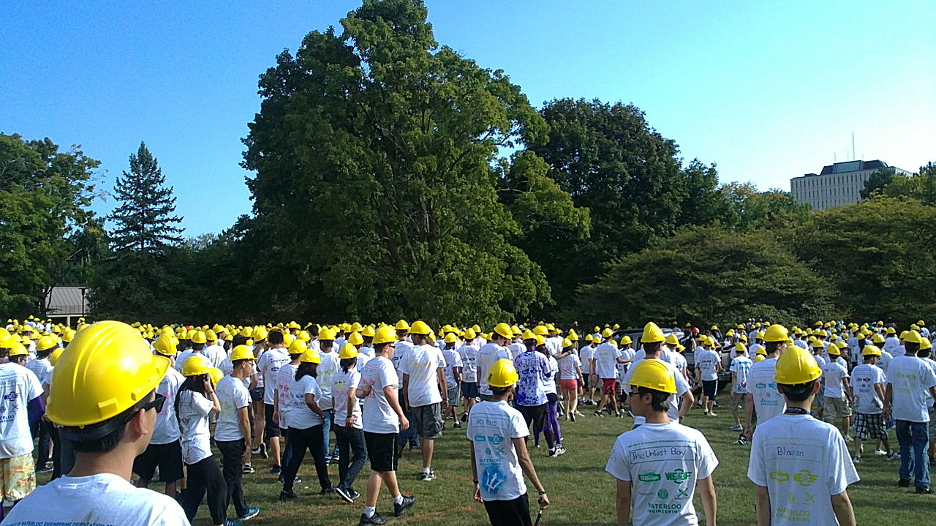
• Skip to primary navigation
  • Skip to content
  • Skip to primary sidebar
  • Skip to footer

We Made a Difference. We Made it Together. WEMADEIT.

  • About WEMADEIT
    • Donor
    • Partners
      • Toronto Metropolitan University
      • Ontario Tech University
      • University of Waterloo
      • Western University
  • For Students
    • Blog
    • Getting There
      • Engineering Disciplines
      • Student Life
      • Where Can I Study?
      • What You Don’t Know About Engineering
      • ENG BLING
    • Black Students
    • Indigenous Students
    • 2SLGBTQIA+ Students
    • Women and Girls
  • For Parents
    • Where Can You Study Engineering?
    • What is Engineering?
  • For Undergrads
    • Gaining work experience
    • Peer Mentorship
    • One Awards
    • Next Generation in Power
    • New Grad Program
  • For Teachers
    • Teacher Resources
  • Getting Involved
  • Contact Us
    • Newsletter Signup

Journeys

This ain’t no typical all-inclusive week in the Dominican kind of journey. These women have been through a ton of fulfilling and challenging events that have formed their lives and careers. Seriously awesome, check it out.

3 Super Cool Engineering Traditions

by wemadeit

3 Super Cool Engineering Traditions

Engineering has a very rich history with many fun traditions that have been performed by engineers all around the world for decades. Many of these traditions are still alive and well and are practiced regularly by engineering students in Canada and many other countries. Today we are going to learn about the history of three notable traditions that all engineers-to-be can look forward to participating in one day! 

Iron Ring Ceremony
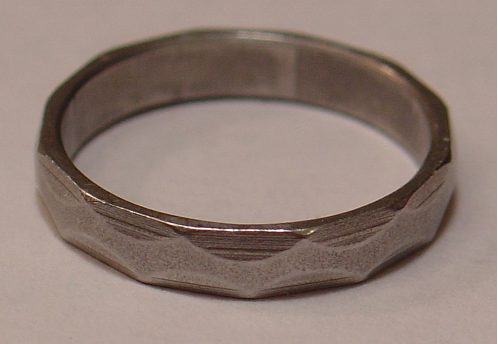
  • The Iron Ring is presented to graduating engineering students as a symbol of their dedication to holding up ethical standards in the profession once they are practicing engineers
  • The Iron Ring ceremony is primarily a Canadian Engineering tradition although there are some similar ceremonies in the United States
  • The first Iron Ring ceremony was performed in 1925 in Montreal 
  • The idea was created in 1922 by a University of Toronto professor, H.E.T Haultain
  • Now this ceremony happens annually at school across Canada! 

Purple!
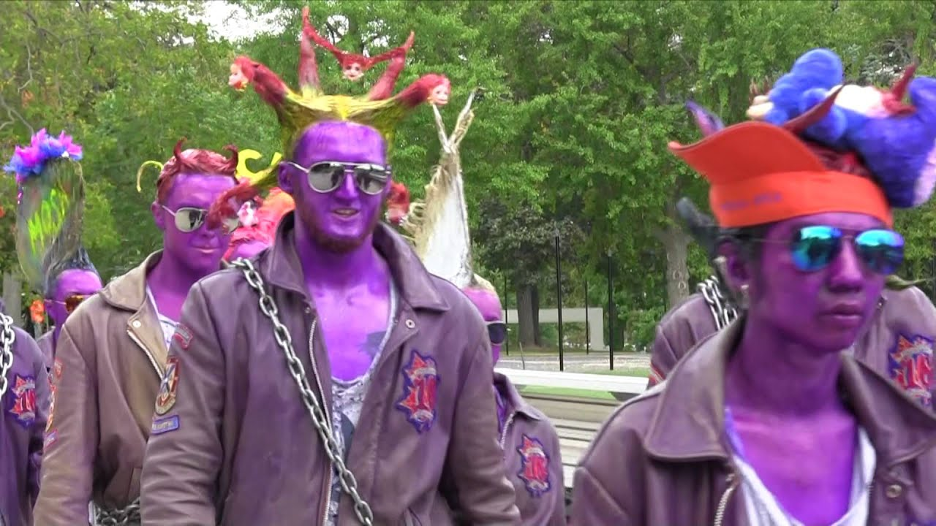
  • This was probably the strangest sight to see during the first week of university! Engineering students walking around with purple skin! 
  • Purple is a very significant colour for all engineering students. The origin of the purple traditions is not verified but it is said that this colour is used because it was the colour worn by the marine engineers on the Titanic, it is also speculated that it is because purple was the colour of the engineering corp in the British Miltary. 
  • During orientation week, new engineering students dye their skin purple in this super funny tradition!

Boiler Suits/ Patches 
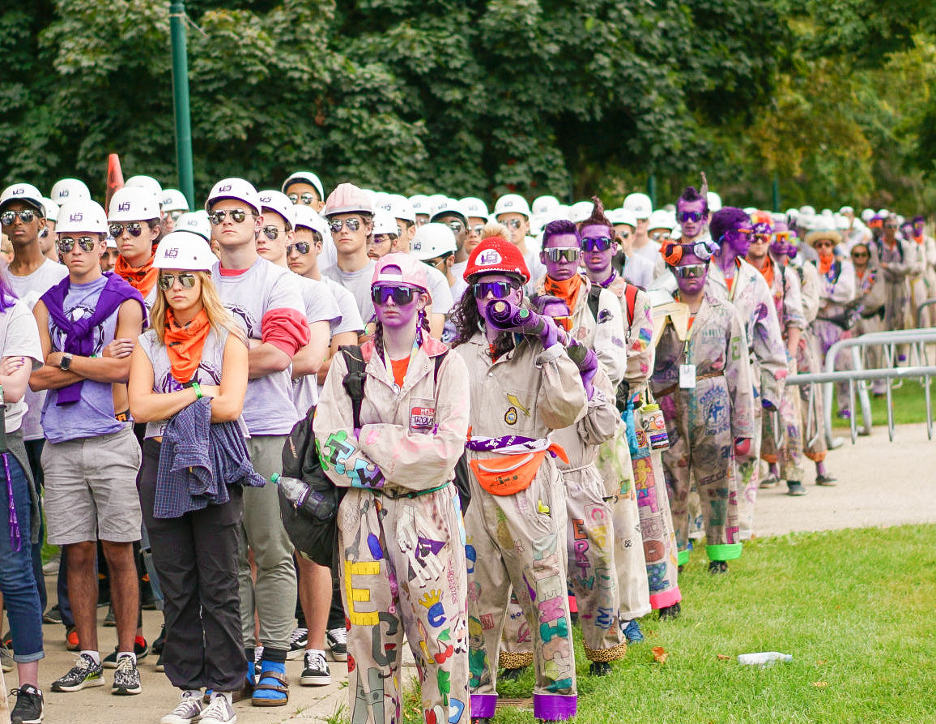
  • Boiler suits are another very fun engineering tradition to look forward to! 
  • This tradition started in Sweden in the late 1960s and spread to Finland, Canada and other countries after that
  • Engineering students would write all over their boiler suits and attach different patches to their suits. They also trade patches with other students and collect as many as they can!

Filed Under: #shareABLE, engSPIRATIONAL, Journeys Tagged With: engineering, traditions, university

enghero: Natalie Shears

by wemadeit

enghero: Natalie Shears

Who inspired you to be an engineer?

Shows like Mythbuster or MacGyver inspired me when I was a kid. I just thought it was so cool to see someone make something so incredible with just their imagination and some tools.

Why did you choose to be an engineer?

I always loved figuring out how things work. I was always taking things apart and putting them back together, it’s one of the first ways that I got interested in engineering. From there, I fell in love with physics and the type of math that you can see, like projectile motion, stress calculations, etc. just seeing how cool the world is and how it relates to math has always fascinated me.

What have you found is the difference between being a female and a male engineer?

I find the biggest difference is the surprise when I tell people. Whenever I say I’m studying engineering, they assume that I was in a different program, looking at me like I have 3 eyes. 

What’s one thing you wish you knew about engineering in high school?

I wish I knew that math and physics are the same thing. It sounds obvious, but I’m more talking about calculus and physics combining fully. Be good at both kids! (and don’t forget integrals end in +C)

Does anything in your life (ex. A hobby, experience or passion) give you a unique perspective to engineering?

Last year, I served as VP Student Life on Ontario Tech’s Engineering Society. Being in that position allowed me to not only set up fun, educational, or de-stressing events for the engineering students at our school, but it also allowed me to create networking opportunities and meet other leaders in Universities across Canada. It showed me the many diverse opportunities that engineering has to offer and helped me find my path after graduation.

How does your work contribute to society?

The saying “engineers rule the world” is not an understatement by any means. We help design your websites, buildings, phones, planes, cars… you name it. Specifically, mechanical engineering is about making sure any device that moves (or has moving parts) is properly designed, as cheap as possible, and is safe for people to use. The amount of thought that goes into designing even the most basic tools that we use every day is baffling, and I can’t wait to be one of the people that get to do that!

Filed Under: #shareABLE, engHEROES, Journeys

Have you gotten WISE?

by wemadeit

Have you gotten WISE?
  • University of Toronto
  • WISE Ottawa
  • Guelph University
  • York University

Being a woman in technology comes with a lot of barriers given the lack of representation. However, that hasn’t stopped women from pursuing their dreams and passions by joining STEM (science, technology, engineering, and math) related fields. In fact, society and culture are changing for the better, and more people are creating an inclusive landscape. This change and inclusion are long overdue. Given this struggle and perseverance, it’s always helpful and vital to have support systems in place to aid women in breaking into STEM. WISE is a fantastic organization and resource for women around the world who are breaking into STEM as a career. Learning about resources like WISE can help you no matter what stage of your career or education you are at.

What is WISE?

The great thing about WISE is they aim to spread awareness and change across the board. This means they have programs and events in place to reach; employers, educators, students, professionals, research institutions and the general public. This is fantastic because each of these groups has something to learn when it comes to women in this industry. More importantly, real change happens when a high percentage of the population understands and welcomes the change, and that is exactly what WISE’s goal is. This organization reaches these groups by hosting local events across the world, reaching schools by providing educators with in-class workshops and creating videos and other promotional media online.

WISE’s Goals?

Every organization concerning women in STEM has the implied goal of spreading awareness and representation for women in science and engineering. However, this group has specific goals laid along with their course of action. WISE’s long term goal is a balanced representation of men and women in STEM both in classrooms and out in the workplace. Their short term goal is one million more women working in core STEM occupations by 2020. Having these goals is so important because it means this organization is moving towards reachable and tangible targets that will make real change.

Events

Events are a great way to bring like-minded people together to share their interests and skills. These events can in particular help young aspiring engineers to network, and learn from successful women in their field. WISE holds several webinars that connect professionals, students and curious people around the world. Having the advantages and skills of the internet at our disposable is connecting people like we have never seen before. What better way to use this connection than spreading skills and knowledge? These events allow professional women in STEM to speak on their experiences, and teach new skills to all that attend. WISE also hosts events to track the progress of women’s inclusion within post-secondary institutions. This is very important because it keeps these institutions accountable and on track. When striving to reach such important goals accountability is everything. These events are also great for problem-solving and sharing success stories.

Where Can You Find WISE?

Several colleges and universities that offer engineering programs have a WISE institution inside of their school, connecting students to this powerful organization. An example is the University of Toronto, located in Ontario. These in-school programs allow students to have hands-on leadership experiences within this community of females. It is a great opportunity to apply what you are learning in the classroom to invoke real change. Much like the original organization, these in-school groups host several events. These events all take place at their school to spread WISE’s goals locally.

I hope the discovery of this organization inspires you to seek education and community within these STEM-related groups. They are a great way to learn from professionals and find much-needed support. Education and success is not a solo journey, and having a strong community by your side is always an asset.

Filed Under: #shareABLE, engSPIRATIONAL, Journeys Tagged With: Ottawa, Toronto, university, wise, York

ENGHERO: Baraa Daher

by wemadeit

ENGHERO: Baraa Daher

What is one thing you wish you knew about engineering when you were in high school?

I wish I knew about the different engineering disciplines and research opportunities available within this field. Engineering was not something I knew a lot about in high school, so I did not consider applying to Engineering at Western. I thought it was only about building towers and bridges. However, being a lab member of the Human Biomechanics Laboratory team and taking undergraduate engineering courses, I learned that engineering is a vast and diverse field with disciplines, including electrical, mechanical, chemical, civil, industrial and biomedical engineering.

It was interesting to see the application of engineering concepts to different settings such as healthcare. As I discovered the field during my undergraduate studies, I became interested in the biomechanics of the musculoskeletal system, which led me to pursue a Master’s Degree in Biomedical Engineering.

What made you want to pursue engineering? 

Engineering is a broad field that allows for tons of creativity and discoveries. It has many hands-on experiments and projects that enable students to express their skills and strengths in different ways. It feeds my curiosity about how the world and technology work together, and challenges me to solve complex problems in our society. For example, engineers create solutions by designing devices to create reusable energy or detect diseases like cancer. They are always changing the world by coming up with new solutions and inventions, and I want to be part of this field and improve everyone’s life.

I see engineering concepts applied in daily living activities, like how airbags know when to inflate or how television screens make a colorful image. With engineering, I can combine different skills and knowledge to make people’s dreams come true. Engineers are the wizards of our society; everyone needs them to solve their problems. Being an engineer is exciting as I would get to use magic to create and invent something new every day. I believe that I can make a difference and a change in our society, and for these reasons and more, I wanted to pursue engineering.

What branch of engineering is your major and how did you decide on it?

I did my undergraduate studies in science, and I am now pursuing a Master’s Degree in Biomedical Engineering. Biomedical engineers play an essential role in our healthcare system. During my undergraduate studies and past volunteering at the Human Biomechanics Lab, I learned how to apply mechanical engineering concepts to understand how muscles and bones work when exercising and why our knee or hip breaks.

This subdiscipline of biomedical engineering, known as biomechanics, helps surgeons develop treatment plans after an injury to restore function and mobility. It also helps us understand how the human body moves to design reliable medical devices, such as orthopedic implants. Orthopedic implants are manufactured to restore function by reinforcing or replacing a damaged bone or joint. I find this very interesting because the structure and chemical properties of implants require the application of biomedical engineering principles. Biomedical engineers combine their diverse skills and knowledge to play an essential role in our healthcare system. I decided to pursue a master’s degree in biomedical engineering as I want to play a role in our healthcare system and contribute to the biomechanics discipline.

What do you plan on doing with your engineering degree?

After I graduate, I plan on working in the industry for a couple of years, hopefully, in a consulting firm designing joint implants or prosthetics. Later in my career, I plan to have my own company that will include designing, developing, testing and modifying products, equipment and medical devices.

What advice would you give to a young female who is considering the field of engineering, but isn’t sure if it’s right for them?

Imagine yourself in 5 years from where you are at right now. Where and how do you see yourself? If you see yourself as an engineer, this is the right field for you, and it is worth all the hard work, and I promise you the ride will be rewarding. Ask questions, reach out for help, and be a resource to others who might be struggling or need encouragement. Do not be overwhelmed by a room full of men or people who do not look like you. Follow your passion, learn as much as you can, and do your best. As long as you believe that engineering will light you up, everything else will follow.

What do you recommend doing outside of school?

I recommend looking for an engineering undergraduate club on campus and getting involved in your university’s community by volunteering for different events. I loved working with Western Engineering Outreach program, where I had the chance to learn more about engineering and its various disciplines. I worked with many people from different backgrounds and learned from their expertise. I also had the opportunity to teach children at different ages about engineering through a wide range of activities and events. I would recommend getting involved in similar initiatives. They are always looking for an extra set of hands and will make your study break worthwhile and fun!

Filed Under: #shareABLE, engHEROES, engSPIRATIONAL, Journeys Tagged With: biomedical, Biomedical engineering, engHERO, engineering, masters

Words From the First Woman in NASA’s Mission Control Centre

by wemadeit

Words From the First Woman in NASA’s Mission Control Centre

Poppy Northcutt

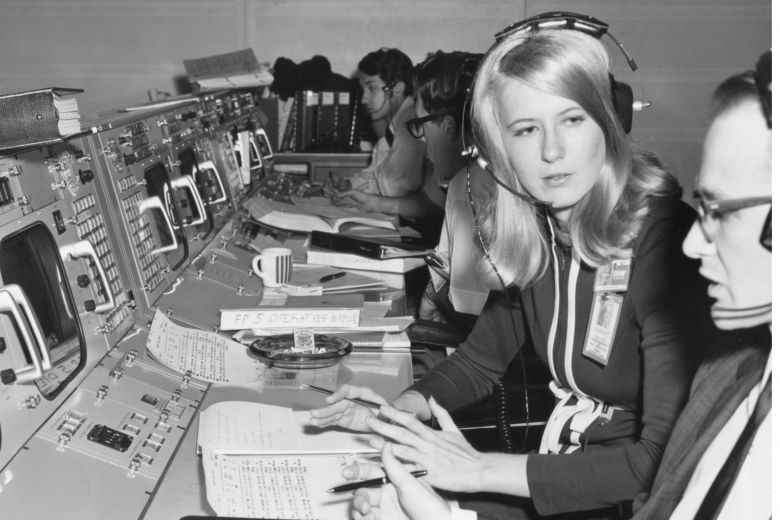
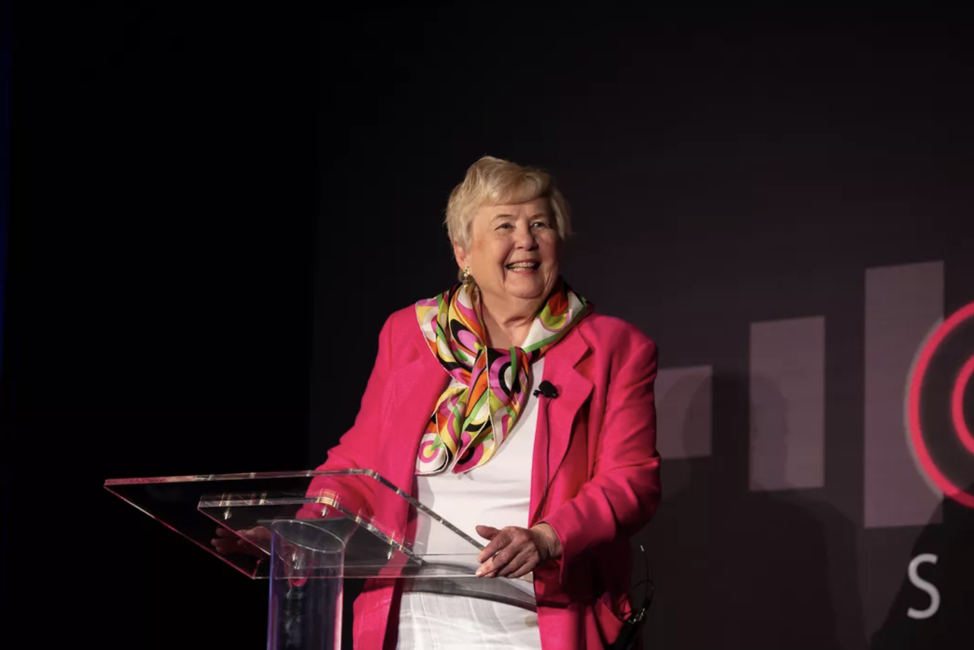
Hearing from women in STEM is always encouraging and inspiring, but Poppy Northcutt, in particular, embodies that women’s success in engineering is limitless. She was the first woman to ever step foot into a NASA control room and was a return-to-earth specialist. This woman’s accomplishments are truly incredible and prove that anything is possible. Poppy took the time to speak at this year’s Girls in Tech Catalyst Conference. This conference is an annual event that takes place in San Francisco and continues to inspire future trailblazers in tech.

Nasa and Apollo 8

Poppy worked for NASA during the Apollo 8 program back in 1968. This program was the first crewed spacecraft to leave Earth’s orbit, reach the moon and return safely. Therefore this mission was revolutionary, and something everyone to this day looks back on with pride. She was working as a back-to-earth specialist, which meant that she worked with a team to create a plan for the Apollo 8 crew to get back from the moon. Being part of that mission was a big deal, Poppy remembers that at the time no one had ever seen a woman in the control room before.

A lot of people ask Poppy about the lessons she has learned while working for NASA. Poppy explained how as a woman she had to fight to have her voice heard, which lead to Poppy explaining that “I became a flaming radical women’s rights activist”. Instead of becoming discouraged and defeated by the lack of a woman’s perspective, she used that passion to become an advocate.

Sharing her Experience

When Poppy first got into the world of STEM there were very little resources for women in technology. It was nothing like it is today where there are conferences, books and talks offered to empower women in science. That is what drove Poppy to share her experiences and make it clear that women deserve a seat at the table.

When Poppy was working on Apollo 8 with NASA, Texas had a law that prohibited women from working with the same employer for more than nine hours. This was an issue since her hours for this project could have her staying at the office until 10PM. Her boss would come in at 6PM to tell her to go home. Poppy knew that leaving early when the rest of the team worked, would have a negative impact on her career prospects.

“Probably the smartest thing I figured out was that I should not go home,” Northcutt said. “I should pay absolutely no attention to that damn law.” All of her hard work paid off when she got promoted to an engineering position. Before this Poppy worked as a “Computress”, which in Poppy’s words meant “in the 1960’s we women who did math were considered androids and were employed as gendered computers”. This shows how far the STEM field has come, towards gender equality.

Poppy Northcutt is a perfect example of grit and resilience because it doesn’t matter what is holding you back, there is always a way to break through. Northcutt ended off her speech with these inspiring words “Your presence affects people,” Northcutt said. “Get out from behind the shadows. Don’t be hidden.”

Filed Under: engSPIRATIONAL, Journeys

ENGHERO: Sasha Gollish

by wemadeit

Sasha Gollish is a tremendous role model for her dedication to not only the world of engineering, but public speaking and athleticism. Her education started in 2003 at Western University when she began her degree in civil and environmental engineering. Today she is continuing her education to expand her horizons, by getting her PHD in engineering education. Sasha’s journey is unconventional and unique, but one thing remains true, she has a true passion for learning and helping society. 

When did you know you wanted to be an engineer? 

Sasha realized she wanted to become an engineer during her second year of university at UofT (at the time she was completing an arts degree). After finishing her arts degree Sasha went to Western to pursue her true passions and interests, which was engineering. Sasha noted that in high school she had no idea what engineering even was, but was excelling in both math and science classes. Perhaps if engineering was a career that was better explained in earlier education, she would have pursued engineering at an earlier age. 

What do you wish you knew about engineering in high school?

As previously mentioned engineering was not something that Sasha knew anything about in high school. She wishes that she had been exposed to female role models in the industry, while still in high school. If she had seen powerful female role models, it would have been easier to see herself in that profession and connect with the job. Exposure is a common theme that comes up when talking about the STEM field in high school. We need to have more real life discussions about what engineering is, and what pursuing a career in that field looks like. 

What are you doing right now?

At the moment Sasha is working towards her PHD in engineering education at UofT. Previously she has had jobs in road safety, specifically as the senior project engineer for Safe Roads Engineering Inc, and as the project environment engineer and sustainability expert at the Ministry of Transportation Ontario. 

What’s your proudest accomplishment as an engineer?

One of Sasha’s biggest accomplishments is when she worked with the Ministry of Transportation as an engineer working on their cycling strategy. The goal behind this project was to create safer roads. The strategy was to get more roads in municipalities because those are typically safer than provincial roads. Sasha’s passion for this project came from knowing these lanes would make it safe for more children to bike to school. This reminded her of when she was young and was doing the same thing. This project was also very rewarding because it blended all she had learned about engineering and used it in a way that would help better people’s lives.

Do you feel your work contributes to society? How so?

Sasha believes that any engineer that operates under the “do no harm” principle has a great opportunity to contribute to society positively. She has done this through her work with road safety, and she didn’t even know that career path existed before studying at Western. Sasha wants to make clear that going into engineering may seem like a constraint, in which you are limited to what you can do and what your every day looks like. But, that is simply not true engineering can be whatever you want it to be, that’s why it is important to work on projects in sectors you are passionate about. 

Do you have any passions/hobbies that would give you a unique perspective in your career?

Sasha combines her professional career as an engineer, with her love for physical activity. Previously she has been an Alpine ski coach, which was an interesting experience because it too is a field that is typically dominated by men. This experience gave more time to work against stereotypes and challenge the way people see her professionally. She is also a professional runner, which is a skill Sasha is very thankful to have being an engineer. Professional running is one of the first industries in which the pay is equal for both men and women. Being able to take a step back from her work, and take a run is very useful and helps her gain a lot of perspective. Sasha knows that it is nearly impossible to solve a problem, by staring at it and only thinking about the issue for hours on end. Instead, it can help to participate in physical activity to clear your mind. In that way, her hobbies complement her career choice and provides a unique tool in problem-solving that anyone can take advantage of. 

Has your job ever involved curiosity and or discovery? 

The PhD that Sasha is currently working on is all about curiosity, specifically rethinking the way math is taught to engineering students. For example oftentimes students are given unrelated and close-ended math problems, which easily frustrates and stumps students. What Sasha is exploring is the idea of instead giving students open-ended questions that involved real-life situations. This way students will become curious and interested in discovering the answer or how to reach the solution. Therefore her entire PhD has been about discovery and curiosity, which has been very rewarding and educational. 

What has been the hardest part of being an engineer? And how have you overcome that?

The hardest part of being an engineer in Sasha’s eyes is gender inequality. She is tired of men asking if it is hard being a female in the field, and is looking forward to the day where there is no question of the gender roles in engineering. In an ideal world, there shouldn’t be, gender should not be a roadblock for anyone in any profession. Whenever faced with a situation where her qualifications are being questioned because of her gender, Sasha stays calm and explains herself. She finds it better to not get upset, or defensive. Instead of continuing to operate in a way that she feels out of place, she operates in a way that makes her feel like she belongs. “If you wear a super cape that says I belong, other people will believe it”. 

What are some stereotypes around being an engineer? 

Everyone seems to think that being in engineering means you are a math genius, but Sasha assures people that she is good at math but not great. She also recognizes that engineers are not only people that are interested in math and science, they are almost always very creative people that have the desire to create. In fact, she sees this as one of the best parts of hiring an engineer, they are very creative and forward-thinking people because of their interests. 

Why do we need more women in engineering? 

Having more women makes for “stronger teams, and a wealth of different strengths”. Sasha knows that having differing opinions and skills helps any project and will lead to finding new and exciting solutions to problems. In fact, if we only have white men, there will only be one viewpoint, “it’s not just about diversity it’s about having more robust teams to come up with more innovation and solutions”. Therefore it is clear that we need more women in engineering, to discover things that otherwise never would have been seen. 

Where do you see yourself in ten years?

Simply put, she is not too sure right now. One thing that she does know is that she will one day return to working in road safety, because of her passion for protecting people. Since Sasha has skills from coaching she hopes to one day merge that with engineering by bringing those strategies to an engineering firm. She also aspires to write a book, and maybe even teach. The future for Sasha is open, and she is excited to see what it holds for her because a career in engineering has infinite possibilities. 

What advice do you have for highschool students wanting to pursue a career in STEM?

Sasha recommends students to walk around the city and see what people do. In fact, take any opportunity you can where you can learn more about what life is like in jobs that interest you. This may look like taking advantage of take your kid to work day or join the co-op program at your school (if it is offered). Sasha wishes that there were more chances for students to be exposed to different careers because it is hard to figure out what you want to do all by yourself with no experience. Her final piece of advice is, to not rush university and not to rush into any career because you feel pressured to. It is more important to figure out who you are, and what you are passionate about because doing what you love is very rewarding.

Filed Under: #shareABLE, engHEROES, engSPIRATIONAL, Journeys

« Previous Page
Next Page »

Primary Sidebar

Categories

  • #shareABLE (70)
  • #surveySAYS (8)
  • engHEROES (50)
  • Engineering Disciplines (35)
  • engSPIRATIONAL (59)
  • Getting There (17)
  • Grade 11 (4)
  • Health (3)
  • Journeys (20)
  • Listen Up (5)
  • listenUp! (2)
  • More2Life (7)
  • Our Favourite Articles (2)
  • Press (3)
  • Recipes (2)
  • Reviews (5)
  • TED talk (17)
  • TheFieldTrip (5)
  • Uncategorized (4)
  • weTHINK (15)

Teacher Login

Register | Lost your password?

Sign Up To Our Newsletter

Footer

Menu

  • About WEMADEIT
    • Donor
    • Partners
      • Toronto Metropolitan University
      • Ontario Tech University
      • University of Waterloo
      • Western University
  • For Students
    • Blog
    • Getting There
      • Engineering Disciplines
      • Student Life
      • Where Can I Study?
      • What You Don’t Know About Engineering
      • ENG BLING
    • Black Students
    • Indigenous Students
    • 2SLGBTQIA+ Students
    • Women and Girls
  • For Parents
    • Where Can You Study Engineering?
    • What is Engineering?
  • For Undergrads
    • Gaining work experience
    • Peer Mentorship
    • One Awards
    • Next Generation in Power
    • New Grad Program
  • For Teachers
    • Teacher Resources
  • Getting Involved
  • Contact Us
    • Newsletter Signup

Search

Teacher Login

Register | Lost your password?

  • Facebook
  • Instagram
  • Twitter

© 2026 · WEMADEIT | Site Design by rtraction