• Skip to primary navigation
  • Skip to content
  • Skip to primary sidebar
  • Skip to footer

We Made a Difference. We Made it Together. WEMADEIT.

  • About WEMADEIT
    • Donor
    • Partners
      • Toronto Metropolitan University
      • Ontario Tech University
      • University of Waterloo
      • Western University
  • For Students
    • Blog
    • Getting There
      • Engineering Disciplines
      • Student Life
      • Where Can I Study?
      • What You Don’t Know About Engineering
      • ENG BLING
    • Black Students
    • Indigenous Students
    • 2SLGBTQIA+ Students
    • Women and Girls
  • For Parents
    • Where Can You Study Engineering?
    • What is Engineering?
  • For Undergrads
    • Gaining work experience
    • Peer Mentorship
    • One Awards
    • Next Generation in Power
    • New Grad Program
  • For Teachers
    • Teacher Resources
  • Getting Involved
  • Contact Us
    • Newsletter Signup

engSPIRATIONAL

No more of this cheesy “inspirational quote of the day” business. These women and ideas are the real deal. We dare you to not be inspired by them (it’s impossible).

Shape-Shifting Technology

by wemadeit

Shape-Shifting Technology

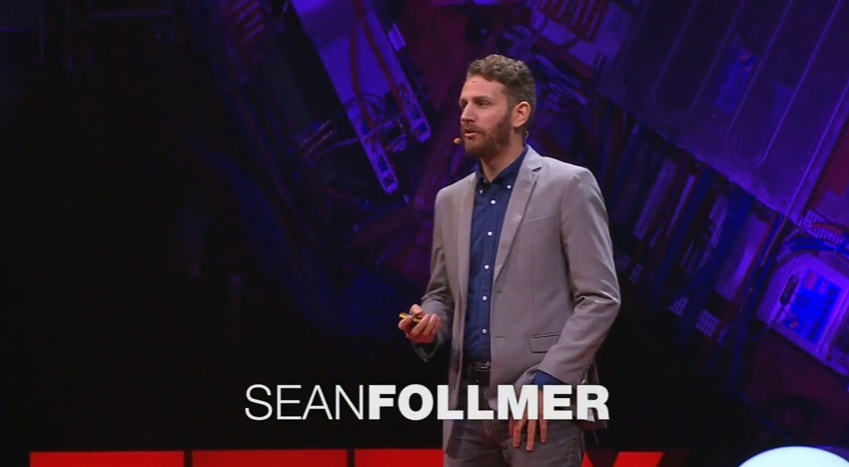
Procrastinating? We’ve got just the thing! The YTT have pulled together a series of TED Talks that they LOVE. Grab some popcorn and get comfy, because you’re about to get seriously inspired by these amazing engineering projects.


What is this TED talk about?

Computers are everywhere however rather than just a device, this TED talks show how computers represent an environment that can use digital information and provide tangible results.
Filed Under: TED talk

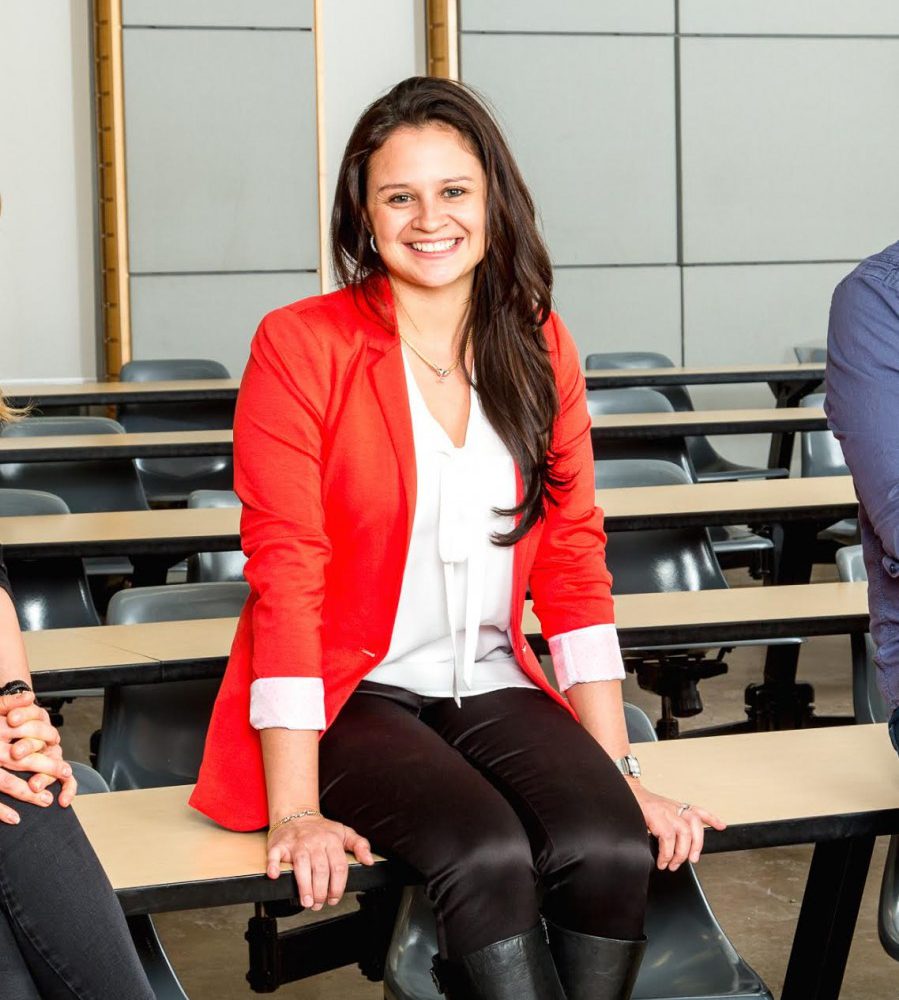
Diana Opsina

by wemadeit

Diana Opsina

Q&A WITH engHERO: Diana Opsina

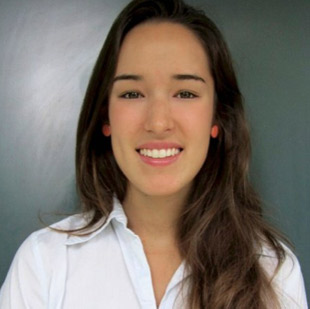
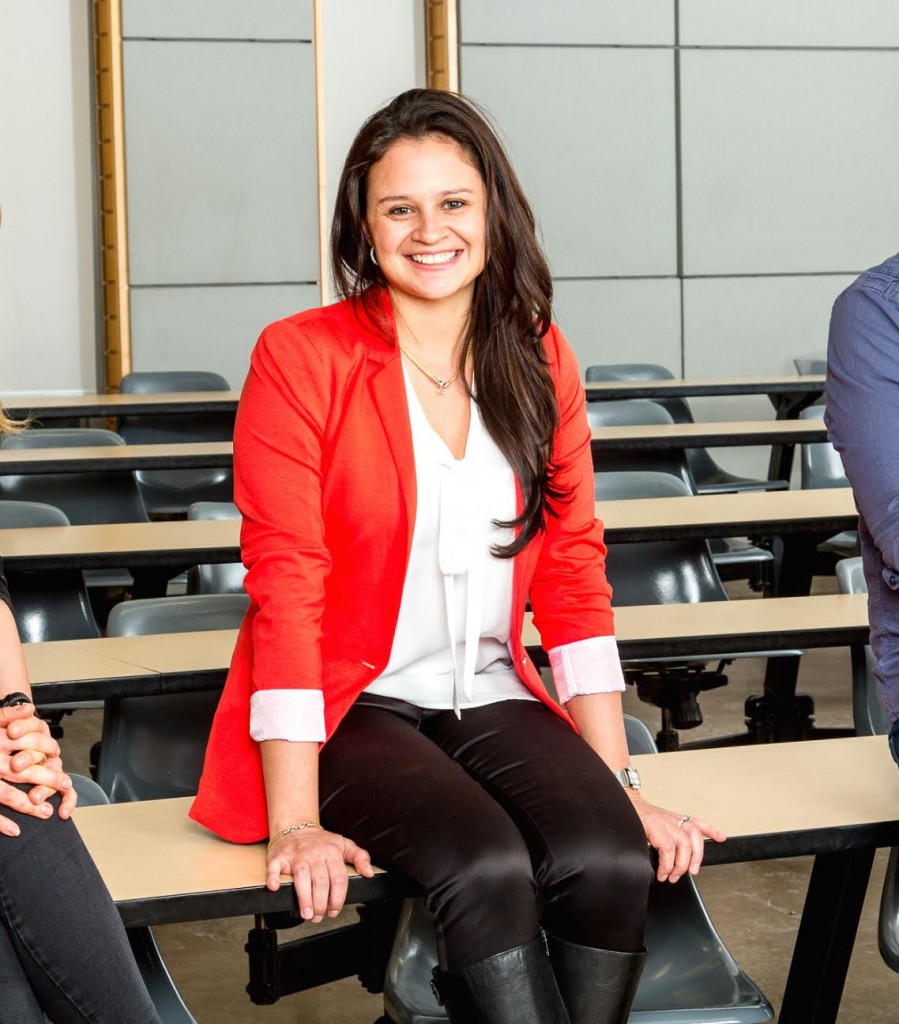
Photo of Diana Ospina in classroom
Q: What’s one thing you wish you knew about engineering back when you were in high school?

I wish I knew how much I’d like engineering! Once you get used to the learning pace, as an engineering student you are able to solve problems and think critically about the world that surrounds us. You grow and adapt to understanding concepts that build the technology that we use every day, and make up the fabric of society, as we know it. That motivates me to continue to learn more!

Q: What’s your proudest accomplishment as an engineer?

As an engineering student at Ryerson University, I had access to Entrepreneurial Zones and mentors that motivate and guide students to turn an idea into a start-up. My proudest accomplishment was learning how to think like an entrepreneur. I won two Norm Esch Awards which taught me how to define the profitability and viability of an idea through market research analysis, how to develop a business plan, and how to find resources and mentors that can be very helpful in creating a start-up.

Q: Tell me about a time in your career when your work has been about discovery or curiosity?

In order to graduate from most engineering programs, students are required to complete an Engineering Design Project. For my team’s project, we decided to explore the theory of Wireless Power Transfer. We have built a working prototype transmitting power at the resonant frequency of 13.56MHz. All the subcomponents are working individually, the next step is to have the system working with all subcomponents connected together. We are close! This is a block diagram of all the sub-circuits we learned about in our undergraduate degree, and now we get to implement them into our capstone project.

Q: What are you doing these days?

Right now I’m in the last semester of my undergraduate degree, and most of my free time goes to working on my Engineering Design Project!

Q: Do you feel your work contributes to society? How so?

Engineers are equipped with the resources, knowledge and techniques to come up with solutions that can benefit society from any number of perspectives. A skill as elemental as programming, allowed me to program a web app solution that can contribute to a movement in Ontario, which is focused on an environmentally friendly approach to generating and using energy. The web app, for which I won both stages of the Norman Esch Awards, is being designed to inform home-owners on the savings generated when installing solar panels in their homes. The more home-owners that generate power with solar panels, the more green energy gets distributed in the smart grid, ultimately reducing levels of greenhouse gas emissions. Hopefully, that’s the direction that we’re headed in as a society.

Q: Why do we need more female engineers?

As a female engineering student in electrical engineering, where the average ratio of females to males is 1 to 10, I feel that women should become more active and involved in computer and electrical engineering.  I feel very comfortable in a class of 150 students where only 15 are female students, I don’t feel a difference when talking to anyone of my peers, but it would be interesting to see more women taking advantage of the amazing opportunities that come with being an electrical engineer… like designing microsystems and becoming part of the silicon movement in microelectronics, or being part of a team that builds robots for outer space, such as the Canadian Arm. It’s a big deal. Anyone can make a greater impact on the solutions we need for a better tomorrow.

Q: When you were becoming an engineer, were you nervous and stressed out about all the math and science? What made you push through and become an engineer? Were you sure that you wanted to become an engineer when you were in gr12?

Engineering was always interesting, and somehow designing was too. I first got a diploma in graphic design, and later started my undergraduate degree in electrical engineering. It was a great experience to do both. Graphic design is demanding, but I felt like engineering is a lifetime profession, one in which you can never get to know everything about, because there is always more to know and explore and research. Understanding the math and science behind it may take some time, but it is so rewarding to build on those concepts. Being patient in learning the basics will make it a richer experience, I promise!

Q: Do you have any hobbies/passions that give you a unique perspective in engineering

I have a diploma in graphic design, which is completely different from the engineering and scientific mindset. Having a diploma that required me to be creative and artistic allows me to sometimes push the boundaries, that as engineers we are taught to follow. I am often involved in volunteering where marketing and digital design skills are needed, so I continue to find ways to be creative.

Q: Tell us about your Norman Esch Engineering Innovation and Entrepreneurship Award idea, and what motivated you to get started?

The Norman Esch Award was a work in collaboration with an expert in the solar energy industry. The idea surfaced, as so many home-owners who are not aware of how solar technology works, want to be informed. The web application would make it easy for individuals to know the energy savings that can be generated when installing solar technology. The plan is for home-owners to calculate the energy they are currently using and the savings they would realize by installing solar panels.

Filed Under: engHEROES, engSPIRATIONAL

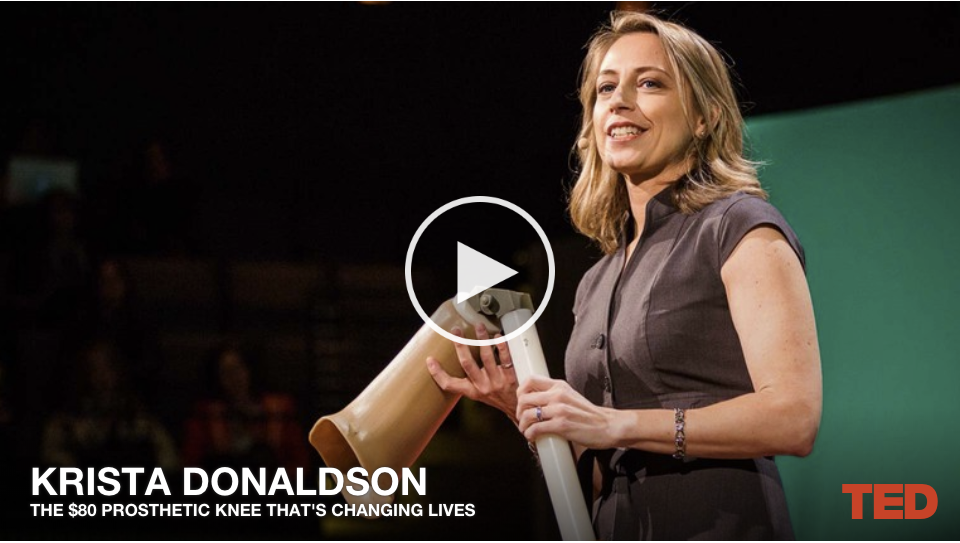
The $80 prosthetic knee that’s changing lives

by wemadeit

The $80 prosthetic knee that’s changing lives

Procrastinating? We’ve got just the thing! The YTT have pulled together a series of TED Talks that they LOVE. Grab some popcorn and get comfy, because you’re about to get seriously inspired by these amazing engineering projects.

What is this TED talk about?

A prosthetic device for above-knee amputees which combines best-in-class technology with an affordable price tag for people of all incomes.

Filed Under: TED talk

Elaine Samuel

by wemadeit

Elaine Samuel

Q&A WITH ENGHero: Elaine Samuel

Elaine is completing her Master’s at Western University and is looking for opportunities to become an Engineer in Training with an environmental engineering consulting firm.

Q: What’s one thing you wish you knew about engineering back when you were in high school?

I wish I knew that there was a lot more to engineering than just math and science! I really like those aspects, but I didn’t realize how important teamwork and communication skills would be. I really enjoy working with other engineers and scientists to create new solutions to problems. The other thing I wish I knew was how interesting and relevant coding (computer programming) would be for all areas of engineering!

Q: What’s your proudest accomplishment as an engineer?

My proudest accomplishment so far would be my Final Design Project in Fourth Year of my undergraduate degree. My group was responsible for designing a school in rural Guatemala under a strict budget of only $25,000. We worked with the Canadian NGO that was fundraising for the school to make sure it would suit the needs of the community. The school was built in 2014.

Q: Tell me about a time in your career when your work has been about discovery or curiosity?

All of my work as a graduate research student has been about discovery and curiosity. I am investigating how climate change in Africa will affect agriculture and I am using a computer model to run simulations. Conducting research is all about asking things like “what is causing these results?” and “how can this process be improved?”

Q: What are you doing these days?

I am finishing up my Master’s and looking for opportunities to become an Engineer in Training with an environmental engineering consulting firm.

Q: Do you feel your work contributes to society? How so?

I definitely feel like my work contributes to society! Environmental engineers design systems that directly impact the environments we live in. My Master's research has produced results I can share with the World Agroforestry Centre which they can use to guide their policies on food security in Tanzania.

Q: Why do we need more female engineers?

More female engineers will contribute to a more diverse engineering culture and bring new perspectives and ideas to engineering problems.

Q: When you were becoming an engineer, were you nervous and stressed out about all the math and science? What made you push through and become an engineer? Were you sure that you wanted to become an engineer when you were in gr12?

I have combined my passion for international development with my problem-solving skills from engineering to approach global issues both in an outside of school. I am an active member of the Engineers Without Borders chapter at Western University. My interest in international development topics has changed the way I think about engineering; engineering is not just designing new technologies, it’s also thinking about how humans and society can positively interact with technology to improve their lives.

Filed Under: engHEROES

Mikhaela Meznaric

by admin

Mikhaela Meznaric

Q&A WITH engHERO: Mikhaela MeznaricMikhaela-Meznaric

Q: What’s one thing you wish you knew about engineering back when you were in high school?

That there are types of engineering like biomedical engineering and mechanical engineering. Not everything in engineering was about design and architecture. Also knowing which university specialized in the specialized engineering program. Taking co-op in high school would have really helped to know how a life is like for an engineer.

Q: What’s your proudest accomplishment as an engineer?

Successfully being both an engineer and a political science student because they are two different worlds and seeing the connection and discovering my passion in both really amused me. For example, water treatment project experience from both political science and engineering was involved and these two really impacted society.

Q: Tell me about a time in your career when your work has been about discovery or curiosity?

My second degree. Her curiosity in the engineering interest in tech designing by extending that skill on helping people and providing them with clean water.

Q: What are you doing these days?

Currently an administrative assistant at the University of British Columbia and looking for a job for her degree, water resources. She has done engineering degree and EIT after. She first started doing civil engineering. After she finished her degree she wanted to do something with green energy which brought her into water intersection which requires both tech and energy as her passion.

Q: Do you feel your work contributes to society? How so?

She hopes her job will contribute to society by providing clean water for Canadians. She believes that Canadians extract natural resources because we depend on it and we should clean our water without polluting it. She wants to be part of the process of cleaning the water.

Q: Why do we need more female engineers?

She believes that we more females because many females are as interested in technology as males are and they have another perspective that will develop the engineering world. Both male and female use thing made by engineers. So it is very important that female engineers being another perspective so they we provide good things to the society.

Q: When you were becoming an engineer, were you nervous and stressed out about all the math and science? What made you push through and become an engineer? Were you sure that you wanted to become an engineer when you were in gr12?

She wasn’t as nervous because both math and sciences were her strongest subjects in high school. She interest in technologies made her push through to become engineering. She wasn’t fully sure to become an engineer but with a help and encouragement of her two friends she made it through.

Filed Under: engHEROES Tagged With: change agent, civil, green, passion

Jennifer Littlejohns

by admin

Jennifer Littlejohns

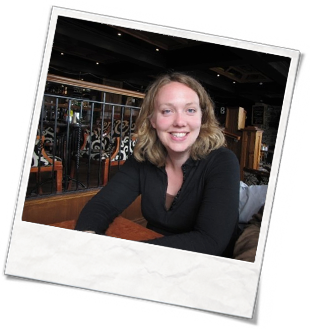
Q&A WITH EngHERO: Jennifer Littlejohns

Q: What’s one thing you wish you knew about engineering back when you were in high school?Jennifer-Littlejohns

I guess in high school I probably wish that I knew what options are available for someone with an engineering background in terms of employment. I don’t think people understand the wide range of engineering jobs that can come about with a degree, you know for example you can go into management of people or projects or you could do an actual technical job with calculations or you can go into sales there’s really a wide range of opportunities when it come to an education in engineering. So I think that’s misunderstood, in high school a lot of people think that engineering is always very technical calculations and you’re going to be chained to a desk in an office doing math all day but I think really that is very rarely the case.

Really? Rarely?

Yeah it’s not always that traditional engineering job, now it’s more management that goes into it, more presentations, and relationships with marketing and sales like it’s very unlikely to go into that traditional idea of what engineering is.

Q: What’s your proudest accomplishment as an engineer?

Oh, that’s a tough one! I’m going to have to say I worked for a company called Iogen Corporation and we were attempting to commercialize bio fuels. This unique process to make bio fuels from agricultural waste and my proudest accomplishment was probably when we first started making ethanol efficiently. I remember the first day when we were kind of making a net profit on the on the plants, that’s probably my proudest accomplishment.

It was really great to experience. You know when you work so hard towards something and it actually come true it’s the quintessential biggest benefit of being an engineer it’s when you…

Finally get the eureka moment?

Yeah! It’s so unbelievably satisfying it’s pretty great. Are you going to be an engineer when you grow up?

I’m really looking into it now, being able to talk with all these different types of engineers…it sounds really interesting and there’s a lot of different things you could go into with engineering, there’s so many different options. 

I think there really is. The biggest thing for a high school student I think is I somewhat fell into engineering.

Oh yeah? How so?

I honestly didn’t know what it was about: I knew there was calculations and design and sure, that’s great, I’m a creative person, but you can really get a job out of university. That’s like the biggest benefit; you will find a job straight out of university. With a university education, there are very few streams where that is pretty much guaranteed right, but I’m sure you know that.

Q: Tell me about a time in your career when your work has been about discovery or curiosity?

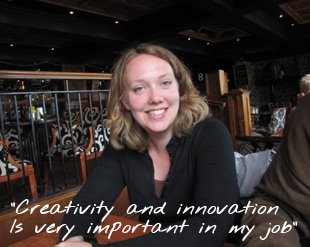
I hold a PhD in chemical engineering and I work with research and development, essentially. So my entire job is taking things from the bare bones and then translating that into something manufacturable in an engineering sense. Creativity and innovation is very important in my job, taking something from a theoretical idea to reality. Say a sensor, I work on sensors right now for the medical industry, taking a scientists concept of a sensor that would work and actually constructing something that we can manufacture efficiently in little time with little cost. You have to use every creative bone in your body to make that work. In a nutshell, my job has to always have that element of discovery and curiously.

That sounds crazy! I would be so stressed out thinking about how you have to take just a concept and change it and invent something totally new. Does that element of stress ever get to you when you’re working?

Well there’s a lot of people and a lot of support so it’s fine. The people are realistic, they all have realistic expectations of what can be done but you know, sometimes upper management expects the impossible. Although, like I was saying before, it’s not just the traditional engineering there’s also “okay I have to market this to upper management and kind of explain why this can’t be done”, so that kind of falls into the other element of relaying to people what can actually be done and what can’t.

Q: What are you doing these days?

I work for a company called Abbott Point of Care and were manufactures of medical diagnostic sensors. Basically you can put a couple of drops of blood in a cartridge and then it tells you on the spot what’s wrong with a patient, so you can do diagnoses in an emergency room very quickly instead of having to send it away to a lab to get analysed. My position is the senior engineer for the company. My job description, I work hand in hand with RMB as well as manufacturing and I’m kind of the middle man. I take the concept of a sensor invention from RMB and make it manufacturable. I went into engineering initially because I wanted to be a brewer, I wanted to brew beer.

Really? And that has to do with engineering?

Oh yeah, that’s totally engineering! So I did internships at Labatt brewery and different places like that and then I ended up going to grad school for bio reactor design, which is fermenters for beers and wine and things like that. That’s what I ended up getting my PhD in. Then I worked for a company doing the same thing, making ethanol. Then about a year ago, two years ago now, I totally made a switch in my carrier path and I went into bio- chemical sensors. So same sort of degrees would apply but totally different research areas and I made a bit of a leap and that was due to pure interest.

You know it’s funny, a lot of the engineers I have been talking to have started out in one field and then half way through say: “You know what? This other thing sounds really interesting”, and then they go and they change fields completely.

Yeah! That’s the power of engineering too, a lot of the skills apply to a wide range of areas. You just have to figure out how to market yourself to say to a company “okay I have these skills and I have this background which could be different but I also can do this job if I apply my skills in a different way”.

Where did you think you were going when you started out?

I didn’t think that far ahead, I’ve got to be honest. I just did something that kind of sounded interesting, sounded cool, I didn’t think about the long term. It was honestly a bit of luck that things ended up the way they did.

Q: Do you feel your work contributes to society? How so?

Well I’m going to say yes because diagnosing patients more rapidly now, right on the bed side basically, means lower health care costs and more lives saved. It’s really neat, very efficient, useful technology.

Q: Why do we need more female engineers?

I think first of all to be even, it should be even and it’s not. Also because females bring a pragmatic sense to engineering and a level headed sort of methodical way to a project that I think is really beneficial.

And in your experience did you notice an overwhelming divide in male versus female enrollment in classes and in your actual workplace and stuff like that?

Not in undergrad I didn’t, when I was doing my undergrad at Guelph, I mean it wasn’t 50/50 but there were a lot of women in engineering. Then when I went to grad school I was one of only a handful that were in graduate school and those grad school positions are the ones that lead to upper management right? You see that in the workplace too, at the intermediate level you get pretty 50/50 with women and men but as you go up the ranks in the senior positions and definitely in executive there are not as many women. Why that is I do not know but there is something wrong with the system when that’s the case.

Yeah I agree. So you said you went to the University of Guelph – Did you like it there? Like I’m still in high school so I was just thinking “what universities are good for science and engineering?” and Guelph was one of the ones that I was looking at.

Oh I loved Guelph. Absolutely! It’s got a really great campus, a really great feel. When I was there the engineering program was small, it was just starting out, and I think it’s a bit bigger now but it’s still on the smaller side. So with that you get really great professors that are really invested, you get a really good community of students. Yeah, I would recommend Guelph. Also I did my grad school at Queens and I liked it because there’s a lot of stuff there. The engineering environment there for an undergrad is a lot more intense then Guelph. If you’re a more laid back person then I think Guelph would be the place for you.

– – – – – – – – – – – – – – – – – – – – – – – – – – – – – – – – – – – – – – – – – – – – – –
Check out Jennifer’s work

Filed Under: Journeys Tagged With: bio-process, chemical, co-op, engineering, environment, Jobs, journey, PhD, university

« Previous Page
Next Page »

Primary Sidebar

Categories

  • #shareABLE (70)
  • #surveySAYS (8)
  • engHEROES (50)
  • Engineering Disciplines (35)
  • engSPIRATIONAL (59)
  • Getting There (17)
  • Grade 11 (4)
  • Health (3)
  • Journeys (20)
  • Listen Up (5)
  • listenUp! (2)
  • More2Life (7)
  • Our Favourite Articles (2)
  • Press (3)
  • Recipes (2)
  • Reviews (5)
  • TED talk (17)
  • TheFieldTrip (5)
  • Uncategorized (4)
  • weTHINK (15)

Teacher Login

Register | Lost your password?

Sign Up To Our Newsletter

Footer

Menu

  • About WEMADEIT
    • Donor
    • Partners
      • Toronto Metropolitan University
      • Ontario Tech University
      • University of Waterloo
      • Western University
  • For Students
    • Blog
    • Getting There
      • Engineering Disciplines
      • Student Life
      • Where Can I Study?
      • What You Don’t Know About Engineering
      • ENG BLING
    • Black Students
    • Indigenous Students
    • 2SLGBTQIA+ Students
    • Women and Girls
  • For Parents
    • Where Can You Study Engineering?
    • What is Engineering?
  • For Undergrads
    • Gaining work experience
    • Peer Mentorship
    • One Awards
    • Next Generation in Power
    • New Grad Program
  • For Teachers
    • Teacher Resources
  • Getting Involved
  • Contact Us
    • Newsletter Signup

Search

Teacher Login

Register | Lost your password?

  • Facebook
  • Instagram
  • Twitter

© 2026 · WEMADEIT | Site Design by rtraction